
A July Fourth fireworks “spectacle” ended with the Brooklyn Bridge on fire and New Yorkers asking who was really in charge of public safety.
Story Snapshot
- Fire crews put out a bridge fire sparked by malfunctioning fireworks from dueling shows over the East and Hudson Rivers.
- City ticket rules and street closures created packed crowds and confusion as the emergency unfolded.
- Media framed the blaze as a simple “malfunction” or even a “rubbish fire,” downplaying real risk and failure.
- National data show fireworks fires and injuries climbing every year, yet local officials still chase bigger shows.
Fire on a landmark bridge during a planned “safe” show
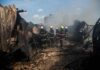
On the night of July 4, a fire broke out on the Brooklyn Bridge during the Macy’s Independence Day fireworks show, turning a patriotic celebration into an unnerving scene. The fire started after malfunctioning fireworks from two dueling displays, one over the East River and another over the Hudson River, sent flames and debris onto the iconic structure. Video from the Associated Press shows the bridge lit by fireworks while smoke and fire rise, before crews move in and extinguish the blaze. For many watching, the moment drove home how fragile public safety can be when officials chase spectacle over caution.
New York City had treated the fireworks as a carefully controlled event, with formal street closures and bridge shutdown rules announced days ahead. Official documents show the Brooklyn Bridge was scheduled to close at 8 a.m. on July 4, part of a broader traffic plan for the show. Brooklyn Bridge Park used a ticket lottery system to manage huge crowds hoping for the “best view” of the display. On paper, this looked like strong planning. On the ground, it meant tens of thousands of people packed into narrow spaces while a fire burned on the very bridge anchoring the celebration.
Crowd control, confusion, and mixed messages from officials
Reports from prior years already warned that ticketed viewing at Brooklyn Bridge Park can be chaotic and poorly staffed, with large numbers of people failing even to reach the piers despite holding city-issued tickets. Witnesses described long lines, blocked entrances, and limited bag checks, with some people bringing their own small fireworks into the park. For this year’s show, organizers again relied on tickets and police at the scene, but streaming footage captured New York Police Department officers giving conflicting updates about start times and weather concerns, adding to confusion for families waiting in the crowd.[User Transcript 1] When the bridge caught fire, those mixed messages and packed conditions raised real questions about basic emergency readiness.
National safety data show that this is not a one-off fluke, but part of a steady pattern of risk that city planners cannot ignore. The Consumer Product Safety Commission reports a statistically significant rise in fireworks-related injuries from 2007 through 2022, increasing by about 535 injuries per year. The National Fire Protection Association estimates fireworks caused over 32,000 fires in 2023, including thousands of building fires and millions of dollars in damage. These numbers confirm what common sense already tells many conservative Americans: you cannot keep scaling up pyrotechnic shows without facing higher odds of something going wrong, especially when crowd control and communication are weak.
How media and officials framed the incident
Major outlets like the Associated Press and others quickly labeled the Brooklyn Bridge fire a “malfunction” in “dueling shows,” focusing attention on the technical failure rather than the planning choices that put people at risk. A short clip from an NBC-affiliated account even brushed it off as a “rubbish fire,” language that suggests minor trash burning instead of a serious safety lapse on nationally known infrastructure. That tone matters. When media downplay risk and treat obvious coordination failures as routine glitches, it shields city bureaucrats and big corporate sponsors from tough questions about judgment, oversight, and respect for public safety.
There is another layer that should concern readers who value honest government and limited but responsible public power. So far there is no detailed public incident report from the New York City Fire Department, no released timeline of response steps, and no clear audit of what went wrong in the show’s design. The bridge fire was put out, and officials moved on. Without transparent records, citizens cannot easily see whether planners learned anything or whether the same risky setup will be repeated next year in the name of “tradition” and commercial promotion. When government asks families to trust its plans, it owes them real information when those plans fail.
What this says about priorities and public trust
This July 4 fire says a lot about where city leaders and corporate partners place their priorities. Macy’s and television broadcasters promoted the fireworks as bigger than ever, with massive pyrotechnics along the bridge and rivers to drive ratings and brand power. Crowd ticketing and traffic closures were sold as “logistics” to support a grand show, yet they also made it harder for ordinary New Yorkers to move freely and safely when an emergency happened. For many conservatives, this episode fits a familiar pattern: big institutions chase spectacle and profit, then expect the public to accept chaos and risk as the price of entertainment.
Fire breaks out on Brooklyn Bridge during New York’s fireworks show https://t.co/3nMsTzYAxd
— KTIV News Four (@ktivnews) July 5, 2026
Fireworks will always be part of Independence Day, and most readers cherish that tradition. But this incident on the Brooklyn Bridge underlines a simple truth: respect for life, property, and basic order must come before grand displays and marketing hype. Citizens deserve honest communication from police and city officials, careful crowd management that treats families as people, not numbers, and clear accountability when public events go wrong. When those standards slip, it is up to engaged Americans to ask hard questions and demand better, before the next “malfunction” leads to a tragedy instead of a scare.
Sources:
youtube.com, brooklynbridgeparents.com, lake.com, apnews.com, brooklynbridgepark.org, yahoo.com, aol.com