
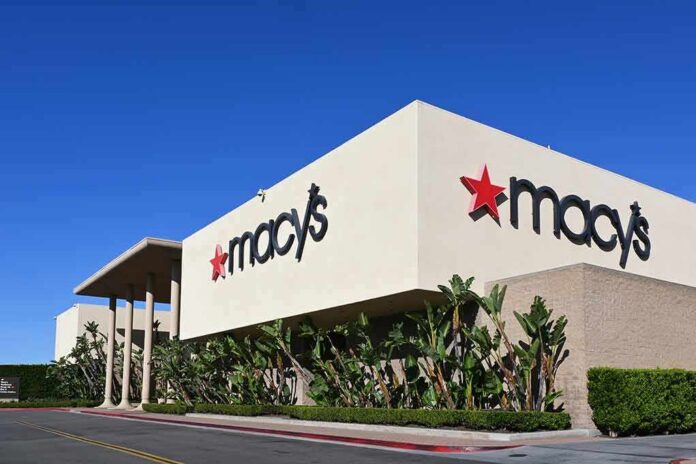
For the first time in a century, Macy’s Thanksgiving Day Parade moved off Thanksgiving Day because dangerous winds and flooding risks made safety impossible to guarantee.
Story Highlights
- City of New York, Macy’s, and NBC jointly postponed the parade for safety.
- Forecast called for heavy rain, strong winds, and coastal flooding across the route.
- High wind gusts threatened giant balloons and public safety under city rules.
- Parade shifted to Saturday at 8:30 a.m. Eastern to preserve the celebration.
What Officials Decided And Why It Matters
City leaders, Macy’s, and NBC said they postponed the parade to protect participants and spectators, citing extreme weather risks. They moved the 100th parade to Saturday morning instead of canceling it, aiming to keep the tradition alive while putting safety first. Macy’s said it made the call after close talks with city and agency partners and stressed that safety was the top priority. The rare schedule change underlines how severe the forecast looked to those in charge.
Weather reports called for heavy rain, strong winds, and coastal flooding around the route through Midtown Manhattan and the Upper West Side. Those conditions often create slippery streets, falling debris hazards, and hard choices on crowd control. The National Weather Service outlook, reported by major outlets, pointed to conditions that can quickly overwhelm parade operations. When wind and water meet tight city corridors and steel canyons, risk rises for families lining the sidewalks and for every marching band and volunteer.
Wind Rules And The Giant Balloon Risk
New York City rules developed after past balloon accidents set wind limits for flying the giant inflatables. Reporting cited thresholds around sustained winds above 23 miles per hour or gusts above 34 miles per hour as triggers to ground balloons. Reuters reported forecast gusts topping 34 miles per hour, the level that puts balloon flight off the table and raises danger from sudden crosswinds. When winds push massive helium shapes near streetlights and buildings, the margin for error shrinks fast.
Parade history shows many ways organizers adjust to weather. In 1971, high winds and rain grounded all balloons, but the rest of the parade moved on. In 2019, crews flew some balloons lower to limit risk. Those steps aim to keep crowds safe without losing the day. This time, leaders judged the storm big enough to delay the full event, not just the balloons. That made this the first weather postponement of the parade’s modern history, a milestone no one took lightly.
Timing, Broadcast, And What Changes For Families
Macy’s and NBC set the new start for Saturday at 8:30 a.m. Eastern, saying the shift preserves the tradition for viewers and visitors while avoiding peak storm hours. The move still gives New York Police Department officers, emergency crews, and parade staff time to reset barriers, confirm staffing, and check the route after the storm. For families who traveled, a two-day delay stings, but a safe Saturday beat a risky Thursday with potential injuries or a last-minute balloon grounding.
Organizers framed the change as a one-time response to an exceptional forecast, not a new normal. Reports emphasized the 100th anniversary, which made the decision stand out even more. The goal remained simple: protect life, then deliver the show. That order tracks with conservative common sense—safeguard people, avoid chaos, and keep a beloved American tradition intact when conditions allow. A Saturday parade upholds that promise while respecting the limits set by the weather and the city’s safety rules.
Safety, Tradition, And Stewardship Of A National Event
Macy’s, the city, and the network faced a clear tradeoff between holiday timing and public safety. They chose safety. The balloon thresholds exist because prior wind mishaps taught hard lessons, and leaders must apply them when storms hit. Reuters captured the core calculus by citing wind gusts that could top the grounding mark, which leaves little room for compromise on a dense urban route. In short, better a brief delay than a preventable emergency in front of millions.
NEW YORK (AP) — The Macy’s Thanksgiving Day Parade has been postponed to Saturday as powerful winds are expected to bear down on New York during the annual event, NBC said Wednesday. In a statement, NBC said the parade would now be held on S… https://t.co/B2cH8ejXJ1
— Capital Gazette (@capgaznews) November 26, 2026
Americans love the parade because it brings families together and kicks off the season with color, music, and pride. Moving it to Saturday is not ideal, but it is responsible governance. The city protected people, Macy’s kept the show alive, and NBC maintained a national broadcast plan. If Saturday’s weather eases, viewers will see a safer, fuller celebration. That is what good stewardship looks like—care for people first, then finish the mission when the conditions are right.
Sources:
youtube.com, apnews.com, nbcnews.com, retaildive.com