

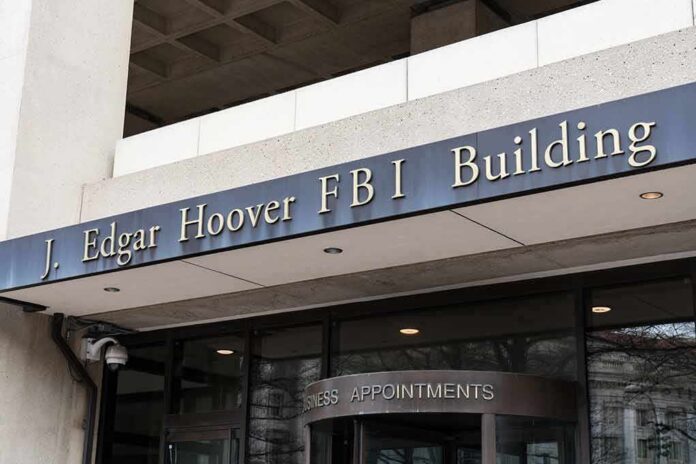
A reported intrusion targeting the FBI’s nationwide crime database triggered a federal probe as President Trump called the news “not good.”
Story Highlights
- The Federal Bureau of Investigation is investigating an apparent hack of the National Crime Information Center database.
- President Trump said the situation is “not good” and noted the probe could surface new information.
- The database holds records on fugitives, missing persons, criminal histories, and stolen property.
- Officials had not identified the attackers or confirmed whether records were accessed.
FBI Probes Apparent Breach Of National Crime Information Center
The Federal Bureau of Investigation opened an investigation into a suspected cyber intrusion affecting the National Crime Information Center, a core law-enforcement database that links federal, state, and local agencies across the country. Reporting described it as an “apparent hack,” while the Bureau declined public comment as agents worked to assess scope and impact. The reported probe followed other recent technology disruptions, though officials previously tied some outages to upgrades and fixes rather than hostile attacks.
Associated reporting said the review centers on whether unauthorized actors gained access to data inside the system and how they might have done so. The inquiry includes checking whether records were viewed, copied, or altered. The National Crime Information Center holds critical, real-time information on fugitives, missing people, criminal histories, warrants, and stolen property, which officers nationwide use to make daily decisions in the field. Such data is sensitive because exposure can tip off criminals and put officers and victims at risk.
Trump Responds: “Not Good,” With A Possibility Of New Findings
President Trump addressed the news during a Fox News Channel interview, saying, “We just heard about it and I will say that it’s not good.” He also said, “Maybe we will learn things that we would’ve never learned otherwise,” a remark that drew attention as the investigation unfolded. His comment came as initial reports surfaced, before any official technical briefing was made public. Coverage noted that the assessment of harm and any deeper findings would come from the FBI’s ongoing work.
CNN coverage highlighted that Trump linked the event to long-standing grievances about the Bureau’s past Russia investigation, which the outlet framed as unrelated to the reported database issue. The available reporting did not show a tie between the National Crime Information Center and those older case files. The central facts remain the same: investigators were reviewing a suspected breach, the Bureau had not named a culprit, and the public did not yet have confirmation that records were accessed or changed.
Why The Database Matters For Public Safety
Police officers, sheriff’s deputies, federal agents, and dispatchers rely on the National Crime Information Center every day to check warrants, confirm identities, and respond to alerts. The system helps catch violent offenders, recover missing children, and track stolen guns and vehicles. A breach of such a system could expose tactics, reveal active warrants, or allow criminals to spoof identities. Even a short disruption creates risk on the street because seconds matter when officers run safety checks during a stop.
Trump says the reported cyberattack on the FBI's National Crime Information Center (NCIC) is "not good," but suggested the breach could reveal previously undisclosed information about investigations he calls the Russia and Ukraine "hoaxes”. His remarks came during a Saturday Fox… https://t.co/sMkr70G7n7 pic.twitter.com/x54W82LsfX
— Caktus Jxck🌵 (@CaktusJxck) November 21, 2026
Protecting this data aligns with basic constitutional duties: uphold law and order, secure the nation, and protect the innocent. Conservative readers know that when government systems fail, regular families pay the price. That is why strong cyber defense, strict access controls, and fast, transparent reporting to state and local partners are essential. Clear, accountable leadership also matters. When the White House and the Bureau move in sync, departments nationwide can harden networks and keep the streets safe.
What Investigators Need To Establish Next
Investigators must determine how intruders may have entered, how long they stayed, and what they touched. That means checking login trails, server logs, database audits, and any data-loss alerts. It also means comparing backups to current files to see whether someone changed or deleted records. Reporting said that, at the time, there was no public word on attribution or proof of data theft, which often takes time to verify with forensics at scale.
Officials will also look for links to any recent incidents that targeted government or critical services. Pattern analysis can reveal shared tools or servers used by the same group. If links exist, agencies can push indicators of compromise to state and local networks fast. Speed is key. Rapid sharing lets smaller departments, which often lack big-city budgets, block threats before damage spreads. That protects citizens, saves money, and restores confidence in justice systems.
Accountability And Next Steps Under The Trump Administration
President Trump’s team faces a test that conservatives understand well: secure core systems, cut bureaucratic delay, and tell the truth to the public. A strong response includes a clear timeline, outreach to every law-enforcement partner, and practical guidance to reduce risk now. Congress can support by ensuring resources go to front-line defenses, not wasteful pet projects. The aim is simple and non-negotiable: keep criminals from using hacked data to hurt Americans and undermine the rule of law.
Published reports emphasized two firm points. First, the National Crime Information Center carries sensitive law-enforcement data that must be protected to guard officers and families. Second, President Trump called the situation “not good,” while acknowledging that the probe itself could shed light on unknowns as facts come in. One caveat applies: reporters described the event as an “apparent” or “suspected” hack while the Bureau withheld public details during the active investigation.
Sources:
techcrunch.com, hindustantimes.com, huffpost.com