
Brazil blocked visas for two senior State Department officials after saying their trip would cast doubt on its election system.
Quick Take
- Brazil denied visas to two Trump administration officials before its October 4 presidential vote.
- Brazilian officials said the planned visit was meant to question election fairness, not hold routine talks.
- The State Department rejected that charge and called the claim a “baseless lie.”
- The dispute comes as tensions between Washington and Brasília keep rising over visas and politics.
Brazil Rejects the Planned Visit
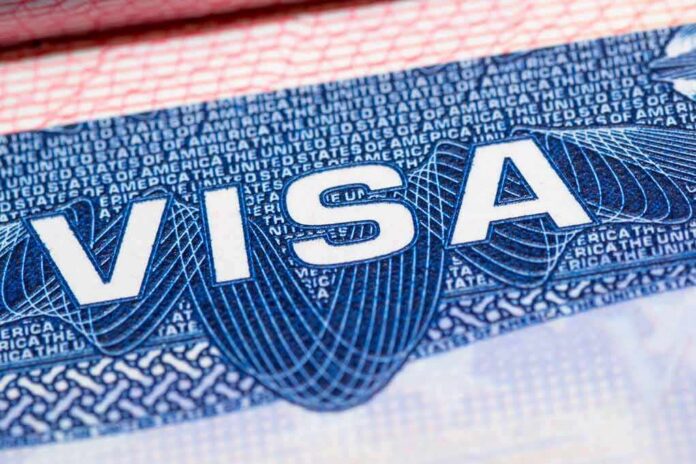
Brazil’s Foreign Ministry said it denied visas to two United States State Department officials who wanted to travel to the country next week. Reporting from Reuters said Brazilian officials viewed the trip as an effort to cast doubt on Brazil’s electoral system before the October presidential vote. The officials were identified as Riley M. Barnes and Samuel Samson, both tied to the State Department’s democracy and human rights bureau.
The visa denial turned a diplomatic trip into a public dispute over election trust. Brazilian sources told multiple outlets that the planned visit was not seen as neutral outreach. They said it would have targeted Brazil’s voting process at a sensitive time, just before millions of voters go to the polls. One Brazilian diplomatic source said the government feared political misuse of the visit.
U.S. Officials Framed the Mission as Routine
The State Department pushed back hard and said the visit was normal diplomatic work. AP reported that the department said the officials planned to meet government figures, religious leaders, and others about election integrity, religious freedom, and freedom of expression. That account directly conflicts with the Brazilian view that the mission would pressure Brazil’s voting system or undermine public trust ahead of the election.
That clash matters because neither side has released the full travel file or internal planning papers. The reports rely mostly on official statements and unnamed sources, which leaves the public with a sharp dispute but limited documentary proof. Still, the basic facts are clear: Brazil refused the visas, and the U.S. government denied any improper motive.
Why the Fight Carries Weight
The dispute lands in a broader fight over sovereignty, election legitimacy, and the use of visas as political leverage. AP has reported that the United States and Brazil have already exchanged visa-related blows in past disputes, which adds to the tension around this case. For voters who value national control and clean elections, Brazil’s move shows how quickly foreign governments can treat election talk as interference when trust is already thin.
Brazil denies visas to Trump administration officials because the suspect election hanky panky. Brazil’s election is a little over 2 months ago.
“Brazil’s government believes a planned delegation is part of a concerted effort by Jair Bolsonaro’s sons, including his son Eduardo,…
— Prez (@PrezLives2022) July 26, 2026
The episode also shows how fast a diplomatic visit can become a media battle. Reuters, AP, Bloomberg, and other outlets all described the same core event, but their framing differed in tone and emphasis. Some reports stressed “election interference,” while others used softer language such as “election talks.” That difference matters because the framing can shape public judgment before any full record is released.
What Happens Next
Brazil’s decision does not end the political clash. It likely deepens pressure on both governments to explain their next steps and defend their public positions. If more documents surface, they could show whether the trip was a normal diplomatic outreach effort or a targeted attempt to influence how Brazilians viewed their election. For now, the public record shows a visa denial, a charge of election meddling, and a firm denial from Washington.
Sources:
feedpress.me, washingtonpost.com, timesnownews.com, reuters.com, apnews.com, jamaicaobserver.com