

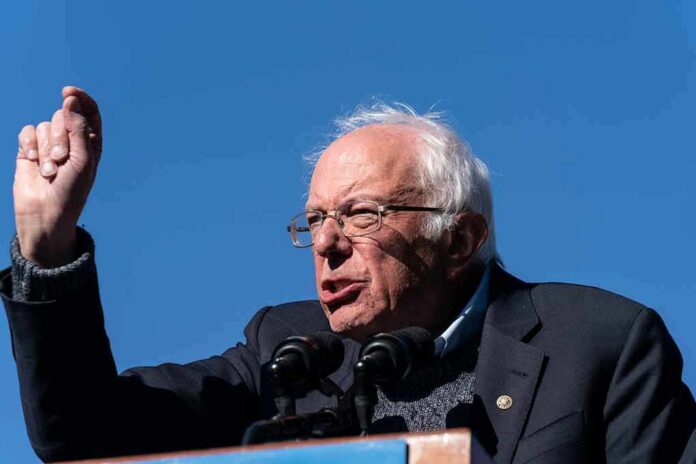
Sen. Bernie Sanders just proposed banning “superintelligent AI” and seizing public stakes in major tech firms, a sweeping plan that would hand Washington vast new control over the future of computing.
Story Snapshot
- Sanders filed a bill to permanently ban “artificial superintelligence” and pause advanced AI until new rules exist.
- He also pushed a $7 trillion public ownership plan that would force major AI firms to split and give the government a large stake.
- President Trump rejected “AI doomsday” alarms and argued the United States already has tools to police abuses.
- Critics warn heavy-handed controls could entrench big players, raise costs, and invite regulatory capture.
What Sanders Put On The Table
Sen. Bernie Sanders announced the Ban Artificial Superintelligence Act. The bill would permanently ban development and deployment of superintelligent systems. It would also pause advanced artificial intelligence work until a federal regulator writes safety rules. Sanders tied the issue to corporate power. He said the public must not let a few tech leaders decide humanity’s future. His message called for strict limits now, with Washington in the driver’s seat on when work can continue.
Sanders paired the ban with a second push: a seven trillion dollar American artificial intelligence sovereign wealth fund. His plan would give the public direct ownership stakes in top artificial intelligence companies, add a new commission, and force large firms to split artificial intelligence from other lines of business. The package would tax the largest players and steer huge sums through a public vehicle. That marks one of the most interventionist technology proposals in recent memory.
How The White House Sees It
President Trump dismissed “AI takeover” talk as hype and rejected sweeping new guardrails. He said the United States already has laws to punish fraud, abuse, and harm tied to artificial intelligence. He argued that America leads the world in artificial intelligence and should not hobble itself with red tape that helps China catch up. His stance favors enforcing existing rules, not building a new federal licensing machine around frontier models.
Business voices close to the administration echoed that view. Investor David Sacks warned artificial intelligence companies not to seek antitrust waivers or a cartel to “pace” development. He argued that classic tools like product liability and criminal law already hold firms to account, and that no special carveouts are needed. That position challenges efforts by large labs to secure government-blessed limits that smaller rivals could not meet.
The Stakes For Competition And Free Enterprise
Sanders says he is fighting “oligarchs.” Yet his fix hands more power to Washington boards, regulators, and a new public fund to pick winners. Scholars warn that heavy upfront rules can raise entry costs, favor insiders with lawyers and lobbyists, and tilt the field toward the largest firms. Those conditions risk regulatory capture, where the biggest players shape the very rules they must follow. That pattern would leave smaller shops locked out while costs soar for consumers.
Sanders’ break-up and tax plans go far beyond standard antitrust. They would force structural changes even before proven harms from market power are assessed in court. By contrast, the administration line stresses targeted enforcement when harm occurs and keeping American leadership strong. The clash is not over whether bad actors should face consequences. It is over who sets the pace of progress, and whether Washington should hold a permanent veto on core research.
Safety Claims Versus Practical Controls
Sanders grounds his case in warnings from industry insiders about fast-moving risks. His bill would pause advanced work until a new regulator writes rules. Supporters say that is common sense. Critics ask how a new agency will keep up with tools that change in months, not years, and whether compliance costs will crush smaller teams. Academic work shows broad, ex ante controls can harden markets and reward incumbents best able to lobby and comply.
For readers who value free speech, fair markets, and American energy independence, the stakes are clear. A permanent ban on “superintelligence,” a federal pause on advanced research, forced breakups, and a seven trillion dollar public fund would move decisions from engineers and investors to political appointees. President Trump’s path backs current law, case-by-case punishment, and keeping the United States in front. The choice is between centralized control and competitive grit.
Sources:
theamericanconservative.com, theguardian.com, sfgate.com, politico.com, bbc.com, cnn.com