
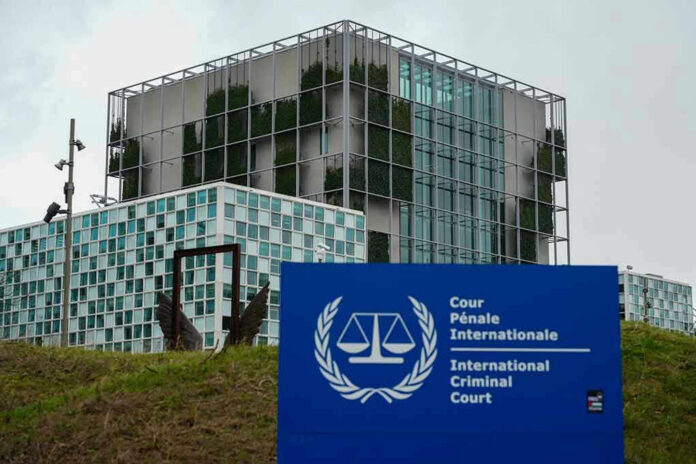
President Trump’s sanctions push aims to choke the International Criminal Court’s reach into Americans’ lives and wallets, defending U.S. sovereignty from a foreign bench.
Story Highlights
- Executive Order 14203 authorizes sanctions on International Criminal Court officials and supporters who target Americans or Israelis without consent.
- State Department designations in 2025 show the order is active policy, not a paper threat.
- Critics call the measures an attack on “judicial independence,” while the White House frames them as a sovereignty shield.
- A federal judge temporarily blocked enforcement in one lawsuit, signaling ongoing courtroom fights over scope and process.
What the Executive Order Does and Why It Matters
Executive Order 14203, signed by President Trump on February 6, 2025, authorizes sanctions on International Criminal Court personnel and foreign persons who help the court pursue Americans or Israelis without consent. The order allows asset freezes, visa bans, and restrictions on services by United States persons to sanctioned targets. The White House framed the court’s actions as a threat to United States sovereignty and the rights of allies. The order builds a tool to stop foreign prosecutors from dragging Americans into overseas legal fights.
The sanctions authority goes beyond symbolic warnings. Treasury guidance under the order can block property and interests in property in the United States. Banks, payment processors, and insurers face penalties if they service designated targets. That pressure can cut off access to the dollar system, which is the backbone of global trade. The goal is simple: make it costly to push cases against Americans from outside our constitutional system, where voters have no say and judges answer to no United States law.
How the Policy Moved From Paper to Practice
The State Department used the order in August 2025 to designate several International Criminal Court officials for actions tied to investigations of United States and Israeli nationals without those nations’ consent. That step showed the administration would act, not just talk. It also warned others who finance or assist the court’s disputed cases that they could face sanctions risk. Rights groups objected, but the United States position stayed consistent: no foreign court may claim power over Americans who never agreed to its authority.
Media and advocacy outlets described the order’s reach as sweeping, noting it could hit International Criminal Court staff and outside supporters with asset freezes and travel bans. Supporters of the court argued the measures threaten “judicial independence.” The administration countered that independence is not a license to override national consent. The dispute reflects a basic clash: global institutions want wider reach, while sovereign nations protect citizens from unaccountable foreign tribunals.
The Legal Fights and What Comes Next
A federal judge temporarily blocked enforcement of parts of the order after an April lawsuit, confirming the policy has real teeth and is drawing judicial review. That pause does not decide the merits. It does mean the government must defend how it draws lines and applies the designations. The administration has kept a steady message: protect Americans first, show respect for constitutional limits, and stop mission creep by foreign prosecutors who claim power over our troops and officials.
The Trump administration is preparing sweeping sanctions against the International Criminal Court (ICC), escalating Washington's campaign against the tribunal after it issued an arrest warrant for Israeli Prime Minister Benjamin Netanyahu over alleged war crimes and crimes… pic.twitter.com/EpPZ7xNsAm
— IndiaToday (@IndiaToday) September 21, 2026
International Criminal Court leaders and allied governments blasted the sanctions as a “flagrant attack” on an “impartial” court and warned of harm to the “rule of law”. That narrative is loud overseas. But the core fact stands: the United States never joined the Rome Statute and never ceded criminal authority over its citizens to The Hague. Consent matters in law and in common sense. If a foreign court can prosecute Americans without our say, our Constitution is just a suggestion.
Why This Resonates With Conservative Voters
Conservatives see a pattern. Global bodies push past their lane. Elites applaud while everyday Americans pay the price. Dollar access tightens for those who cross the latest “consensus,” but border smugglers and terror backers often skate. The International Criminal Court is not elected by our people and does not answer to our laws. Sanctions tell banks and bureaucrats to pick a side: stand with American sovereignty, or help a foreign court target our citizens and allies.
What to Watch for in the Months Ahead
Watch Treasury guidance for how banks must screen transactions. Watch State Department notices for new designations. Watch the courts for rulings on the order’s scope. Expect loud pushback from rights groups and United Nations voices that favor broader court powers. Expect the administration to keep tying sanctions to a simple test: no prosecution of Americans or Israelis without national consent. That bright line guards our troops, our commanders, and our vote over our own justice system.
Sources:
ofac.treasury.gov, hrw.org, hls.harvard.edu