
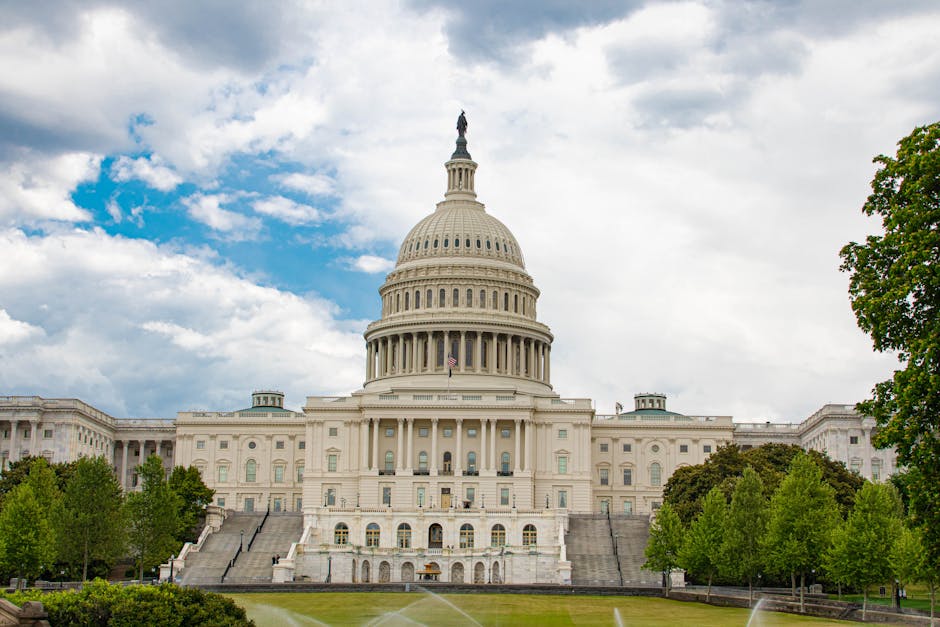
President Trump signed a short-term extension of controversial surveillance powers after House Republicans staged a dramatic midnight rebellion that blocked Speaker Mike Johnson’s reform efforts and exposed deep divisions over Americans’ privacy rights.
Midnight Chaos in the House
The drama unfolded in the early morning hours of Friday when House Speaker Mike Johnson attempted to advance a five-year reauthorization of Section 702 with modest warrant changes. A dozen Republicans blocked the measure, leading to a second attempt at an 18-month extension without reforms. That proposal also failed when 20 Republicans refused to support it. The House ultimately passed a two-week extension via unanimous consent after 2 a.m., pushing the deadline to April 30.
What Section 702 Allows
Section 702 of the Foreign Intelligence Surveillance Act permits government agencies to collect communications of noncitizens outside the United States without obtaining warrants. The provision, first authorized in 2008, can sweep up data from Americans who communicate with targeted foreigners. National security officials argue the tool remains vital for disrupting terrorist plots, foreign espionage, drug trafficking operations, and cyber threats against American interests.
Conservative Rebellion Over Privacy
Conservative House members had warned weeks earlier they would not support any reauthorization without stronger protections for Americans’ constitutional rights. Their opposition forced Republican leaders to repeatedly reschedule votes throughout the week. The repeated failures marked an embarrassing setback for Johnson, who struggled to unite his conference despite Trump’s public plea Wednesday encouraging holdouts to support the measure.
Ten Days to Find Compromise
The temporary extension gives lawmakers until April 30 to negotiate a longer-term solution that can satisfy privacy advocates while maintaining intelligence gathering capabilities. The Senate approved the short-term measure Friday morning without objection after most senators had already left Washington. The rushed process underscores the challenge of balancing national security needs with Fourth Amendment protections in an era of mass digital surveillance.