
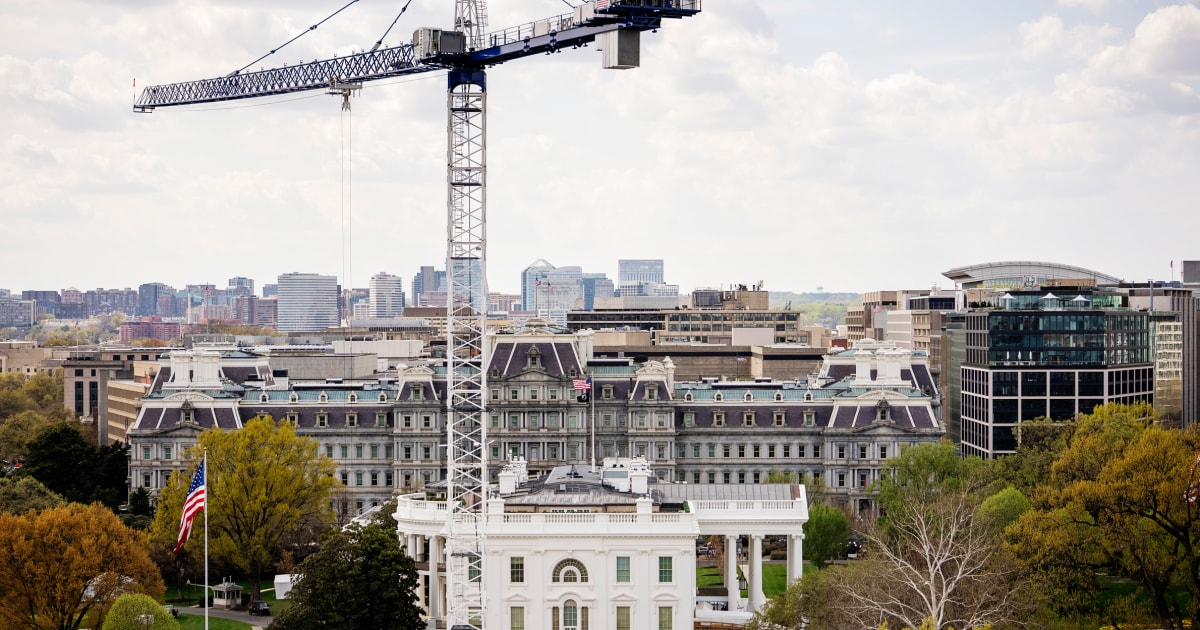
A federal judge rejected President Trump’s attempt to circumvent a court order halting construction of his $400 million White House ballroom project, ruling that national security concerns do not provide a blank check for unauthorized building. U.S. District Judge Richard Leon found the administration used questionable legal reasoning to justify continuing the massive 90,000-square-foot construction despite lacking congressional approval.
Administration’s Legal Argument Rejected
Judge Leon previously halted the ballroom project until Congress approved it, with an exception only for actions necessary to ensure White House safety and security, including an underground bunker. Trump argued this exception covered the entire ballroom because the project enhances White House security. Leon disagreed sharply, writing the administration’s interpretation was neither reasonable nor correct. He noted national security is not a blank check to proceed with otherwise unlawful activity, calling the government’s argument incredible and potentially disingenious.
Trump Responds on Truth Social
President Trump criticized Leon on Truth Social, calling the George W. Bush appointee a Trump hating judge who undermines national security. Trump claimed the ruling means no future president can be safe at events, inaugurations, or global summits without the ballroom. He insisted the ballroom is deeply important to national security and no judge should stop this historic and militarily imperative project. The administration filed an appeal within hours of the ruling.
Construction Timeline and Legal Challenges
The judge noted the ballroom will not be finished until 2028, undermining claims of immediate danger. His order allows underground construction and above-ground work strictly necessary to cover and protect national security facilities, provided it does not lock in the ballroom’s full size and scale. The National Trust for Historic Preservation, which filed the lawsuit, celebrated the ruling. The preservation group argued Trump lacked authority to launch the massive project without congressional approval under the structure previously housing the East Wing.
What Happens Next
The order takes effect in seven days, giving the government time to appeal. The Justice Department notified the court of its intent to appeal immediately after the ruling. This decision clarifies the scope of Leon’s preliminary injunction from last month, which a federal appeals court ordered him to specify following an earlier government appeal. The case continues as Trump pushes forward with his controversial White House renovation plans.