

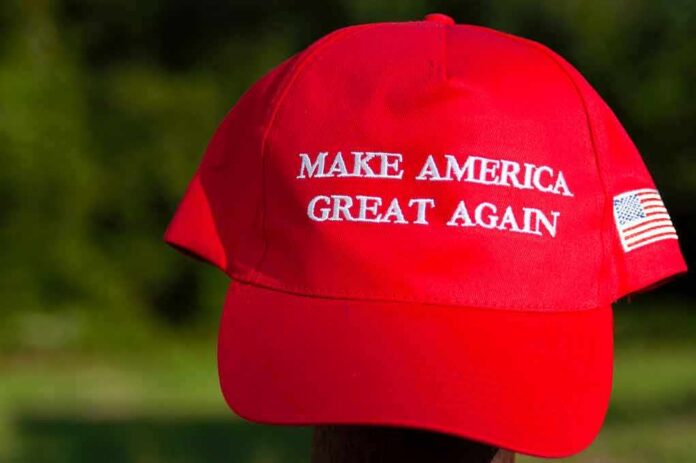
A Senate probe says federal subpoenas swept up personal data on at least 639,000 Republican supporters, including people who bought red MAGA hats.
Story Snapshot
- Senate materials say subpoena returns captured donor, voter, and merchandise-buyer data reaching back to 2005.
- Reported fields include names, addresses, dates of birth, employers, and some credit-card details.
- Records allegedly covered purchasers of red MAGA hats and 2024 Trump campaign products.
- Jack Smith defends the subpoenas as lawful steps focused on 2020 certification events, not political profiling.
What Senate Investigators Say Was Collected
Senate Judiciary Chairman Chuck Grassley reported that subpoena returns reviewed by his staff showed personal information for at least 639,000 Republican donors, voters, and supporters. He said some entries dated back to 2005. The described data went beyond totals. It included names, home addresses, dates of birth, email addresses, occupations, employers, donation amounts, and some credit-card information. These claims come from Grassley’s official release summarizing the “Arctic Frost” oversight findings.
The reviewed materials reportedly included a catalogue of campaign merchandise and sales data. The Senate release specifically flagged red MAGA hats and listed “individual buyers, their purchases and their shipping addresses.” The New York Post reported that spreadsheets captured more than 148,000 rows of donor findings and that some people gave as little as one dollar, which suggests the net reached small donors and basic supporters, not only major players.
Why This Raises First Amendment Alarms
Compelled collection of supporter and donor identities can chill speech and association. The Supreme Court has held that forcing groups to hand over donor lists burdens First Amendment rights when not narrowly tailored. In Americans for Prosperity Foundation v. Bonta, the Court struck down a broad donor-disclosure rule for that reason. The principle is clear: government demands for associational data must meet exacting scrutiny and show tight fit to a real need.
These Senate claims matter because they describe not just campaign records, but wide sets of personal data tied to political identity. When the government gathers names, addresses, and purchase records for routine supporters, many people will think twice before donating or even buying a hat. Even if prosecutors do not publish the data, the act of collection can still deter people from joining or speaking, which is exactly the harm the Court warned about.
What Jack Smith Says About Purpose and Process
Jack Smith has defended his team’s subpoenas in Senate testimony and media reports. He said the subpoenas were issued to investigate efforts to disrupt certification of the 2020 election. He said his team consulted the Department of Justice Public Integrity Section and that the records were materially relevant. He also said the focus was on investigating President Trump’s conduct, not building files on Republican supporters or lawmakers as targets.
Smith described the records as corroborating evidence for communications tied to the push to delay certification. That framing answers why some congressional and financial records were sought. However, the located public record does not contain a specific Smith or Department of Justice explanation addressing the reported collection of MAGA-hat purchaser data. That gap leaves important questions about scope, tailoring, and need for that category of records.
Key Limits, Open Questions, and What Comes Next
The Senate account is based on subpoena returns and spreadsheets shown to investigators, but the public still lacks the actual subpoenas, affidavits, and court orders. Without those, the country cannot verify the legal theories, time windows, and minimization rules. The 639,000 figure may also combine overlapping groups rather than unique individuals. Independent review would need deduplication and clarity on whether staff actually searched or used each category.
Your Thursday Morning News Brief: 🧵
1. Jack Smith Probe Obtained Data on 639,000 GOP Supporters
“Former special counsel Jack Smith’s investigation into President Trump scooped up information on 639,000 Republican supporters and everyday voters, the Senate’s top lawmaker… pic.twitter.com/RhOcCI9fRC
— Liberty Nation (@libertynation) October 15, 2026
Conservatives should press for sunlight. Congress and courts should secure the underlying subpoena instruments, production logs, and retention policies. If investigators collected associational data beyond what the case truly needed, reforms should narrow future requests. President Trump’s administration can back clear guardrails: strict relevance, narrow time frames, minimization, and rapid purge of non-probative supporter data. That approach protects lawful investigations while defending free speech and the right to back a cause without fear.
Sources:
washingtontimes.com, grassley.senate.gov, us.headtopics.com, worldtribune.com, twitchy.com, wltreport.com, kelleydrye.com