
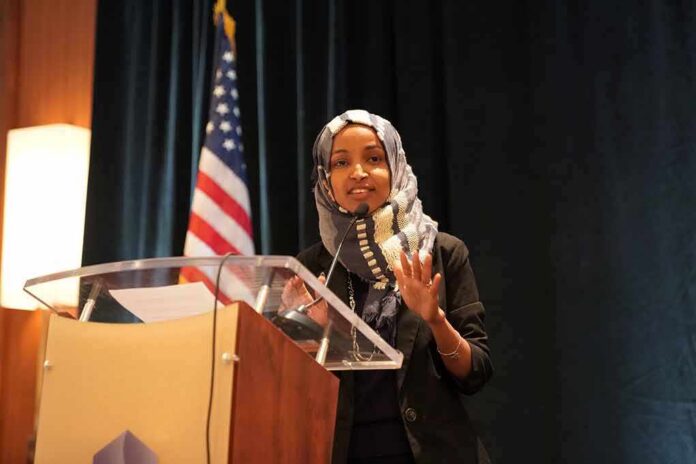
A massive swing in Rep. Ilhan Omar’s reported wealth — from up to $30 million to under $100,000 — reignites hard questions about trust and transparency in Congress.
Story Snapshot
- Omar’s financial disclosure shifted from $6–$30 million to about $18,004–$95,000 after an amendment.
- Her team blamed accountants and omitted liabilities; a watchdog recommended dismissal of allegations.
- Rod Blagojevich urged scrutiny and said voters deserve answers, while noting presumption of innocence.
- Claims tying Omar to broader welfare or immigration fraud lack documented charges in available reports.
What Changed in Omar’s Reported Wealth
Public filings showed a dramatic shift in Rep. Ilhan Omar’s household assets. A 2025 disclosure reportedly valued businesses tied to her husband at $6 million to $30 million. An amended filing later placed the couple’s assets near $18,004 to $95,000. Reports said the first filing listed assets without debts. The amended version counted liabilities and showed no net value for the businesses. The change raised obvious questions for voters about accuracy and oversight.
Omar’s representatives said accountants supplied incomplete data and left out key liabilities. They said Omar filed the correction as soon as the issue surfaced and that the new numbers are accurate. This explanation matches the amended filing’s bottom line that the businesses, when debts are included, do not add to household net worth. The gap between the two versions remains large, but the stated cause is an accounting mistake, not hidden millions, according to her team.
What Congress’s Watchdog Decided
The Office of Congressional Conduct reviewed whether Omar broke disclosure rules. Reporting says the board voted 5–1 to recommend dismissing the allegations. The watchdog reportedly saw no strong reason to believe she knowingly filed false or incomplete information. That finding matters because intent is central to punishment under ethics rules. The amended disclosure and the stated reason for the error weighed against further action, according to the coverage of the decision.
Dismissal does not erase the size of the error or the public’s concern. It does mean the current record does not show proof of willful deceit. For citizens who want clean books and strict standards, the case highlights a larger problem. Congress relies on self-reports and light enforcement. Errors can mislead voters for months before they get fixed. That weak system invites confusion and damages trust in the process.
Blagojevich’s Challenge and Why Voters Care
Former Illinois Governor Rod Blagojevich, speaking to Newsmax, said Omar deserves the presumption of innocence. He also said the numbers swing and other allegations deserve close review. He urged voters to demand answers and said he hopes she loses her election. His remarks reflect a wider frustration with double standards, where members can file bad numbers and shrug it off as a mistake without firm accountability.
Claims about Minnesota welfare fraud and Omar’s immigration history surfaced again in the commentary swirl. The available reporting does not tie Omar to a specific charge, case file, or adjudicated finding. News accounts describe denials by Omar and an ongoing debate about the scope of fraud. Without documents, indictments, or proven links, those issues remain separate from the disclosure error described above. Voters should separate evidence from rumor while pressing for facts.
Why This Matters for Ethics and the Rule of Law
This episode shows how weak disclosure policing can cloud public life. Big errors hide potential conflicts and confuse the press and voters. Stronger checks — like routine audits, better guidance on liabilities, and quick corrections — would help. The goal is simple: honest numbers on time, from everyone. That protects taxpayers, defends the rule of law, and treats all members the same, whether they are liberal or conservative.
Conservatives want fair play and straight answers. That means no cut corners on disclosures, no special passes for political favorites, and no weaponized leaks. The Omar case, as reported, ends with a recommended dismissal, but the staggering spread in reported wealth should prompt reform. Voters should demand line-by-line clarity and real enforcement. Clean books are not optional; they are the price of serving the public.
Sources:
youtube.com, us.headtopics.com, yahoo.com, newsweek.com, wionews.com