
As missiles rain down on American bases, Gulf rulers are quietly asking whether Washington can still protect them—or whether they must cut their own deals with Tehran to survive.
Story Snapshot
- Iran’s strikes on US bases in Gulf states have exposed host nations to direct danger and shaken faith in American protection.[3][18]
- New US strategy documents pivot focus toward homeland and Western Hemisphere security, leaving the Middle East feeling like a lower priority.[1]
- Gulf leaders are debating whether American bases deter Iran or simply paint a bullseye on their energy hubs and cities.[3][5]
- Even as Gulf states publicly back the US–Iran ceasefire deal, they are quietly opening channels with Tehran and hedging toward Russia and China.[5][11]
Gulf States Discover US Bases Can Make Them Targets, Not Shields
Iran’s war with the United States and Israel has turned the Gulf into a live-fire zone and shattered old assumptions about American protection.[3][18] Gulf monarchies long believed that hosting US bases meant safety. Now they are watching Iranian missiles and drones slam into airfields, ports, and energy sites on their soil simply because those sites support American forces.[3][18] Analysts describe these countries as “sitting ducks,” absorbing retaliation for wars they did not truly control or choose.[18] That bitter lesson is driving a painful rethink in several capitals.
Reports from the region describe a staggering tempo of attacks. In one single week, the United Arab Emirates detected hundreds of drones and nearly two hundred missiles, overwhelming air defenses that were supposed to represent the best that American and allied technology can offer.[18] Many of those weapons targeted bases housing US forces, such as Al Dhafra Air Base and facilities tied to the US Fifth Fleet in Bahrain.[18] Local leaders see their cities and economies placed in harm’s way because Washington chose escalation against Iran, reinforcing the sense that the “security umbrella” they paid for has failed when it mattered most.[18][6]
Washington Pivots Home While the Gulf Bears the Fire
At the same time, the Trump administration’s own strategy papers bluntly state that the main US military focus is shifting away from the Middle East.[1] The 2026 National Defense Strategy centers on defending the American homeland and key terrain in the Western Hemisphere, and it explicitly talks about reducing commitments in regions like the Gulf.[1] The 2025 National Security Strategy expects Arab Gulf states to carry most of the financial burden for rebuilding Gaza and Syria, signaling that Washington wants partners to pay more and rely less on US boots on the ground.[4] For Gulf rulers under fire, that mix of exposure and de‑emphasis feels like strategic neglect.
Public commentary from the region reflects sharp frustration. One widely shared clip summarizes the mood with the blunt charge that “America has abandoned us, and focused its defense on Israel rather than the Gulf states.”[24] A Qatar-funded analysis argues that US bases have limited Gulf autonomy, tying them into wars and decisions they do not fully control, while failing to block Iranian salvos from striking their territory.[6] This perception matters for Americans too. When allies start to doubt that the United States will stand firm in their defense, they look elsewhere—often toward rivals like Russia and China who are eager to expand influence and undermine American leadership.[5][6][21]
Deals with Iran and Hedging with Rivals: Gulf States Search for Escape Routes
Faced with relentless attacks and a US pivot away from the region, Gulf leaders are not simply walking away; they are hedging. Policy analysts report that Gulf states are strengthening direct communication channels with Tehran, aiming to lower the risk that their territory becomes the main battlefield in any future US–Iran clash.[9] These contacts are not full-blown alliances, but they are pragmatic attempts to “keep the battlefield away from Gulf territory” by convincing Iran that the monarchies do not seek regime change and prefer a diplomatic track.[9] This is the kind of quiet dealing that unnerves Washington but makes sense to leaders watching their infrastructure burn.
At the same time, think tanks like the Atlantic Council warn that some Gulf Cooperation Council members are exploring deeper ties with Russia and China as insurance against an unreliable United States.[5] For decades, the basic trade was cheap oil in exchange for American security guarantees. After 2026, that bargain looks far less solid, especially when Congress focuses on troop levels in Europe while Gulf cities absorb drone swarms from Iran.[4][5] A strategic “hedging strategy” is already visible, with Gulf states testing closer links to China, Turkey, and European powers to reduce sole dependence on the United States and to gain leverage in future talks.[6]
The US–Iran Memorandum: Ceasefire on Paper, Doubts on the Ground
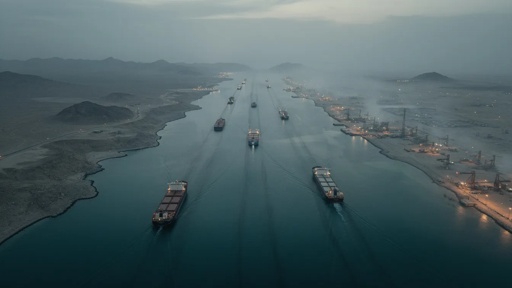
The Islamabad Memorandum between Washington and Tehran promises an end to active fighting and a short-term restoration of freedom of navigation through the Strait of Hormuz.[12][15] Gulf governments have publicly welcomed the deal as a pragmatic way to stop missiles and reopen vital shipping lanes.[13] The agreement also calls for a massive reconstruction and economic fund for Iran, implemented with help from regional partners, likely including Gulf states.[12] On paper, this shows that the United States is still engaged in regional diplomacy and wants to stabilize the energy routes that matter to American consumers and workers back home.
#LATEST on the Middle East conflict:
– Iran launched drone and missile attacks on Bahrain and Kuwait on Sunday following new US strikes against the Islamic Republic, according to the AP.
– Iranian Foreign Minister Abbas Araghchi on Sunday reiterated Tehran's claim that it… pic.twitter.com/lp7CK2Lnip— TREK (@trek_official) June 29, 2026
Yet many core security questions remain unanswered. The memorandum does not explicitly reaffirm long‑term US military protection for Gulf states or clearly limit Iran’s missile and drone power, which has already tested defenses across the region.[9][10][14] Sanctions relief and access to frozen assets risk boosting Tehran’s ability to rebuild and upgrade its arsenal.[10][14] Public polling shows overwhelming doubts about whether the ceasefire is real or lasting, with viewers expressing near‑universal skepticism that Iran will stay restrained.[10] For conservative Americans, this looks like another elite “deal” that rewards an aggressive regime, strains allies, and leaves both our troops and our friends sitting inside an exposed battlespace.
Sources:
[1] Web – The Gulf No Longer Trusts America to Protect It, So It’s Cutting Its …
[3] Web – The 2026 National Defense Strategy by the Numbers – CSIS
[4] Web – Gulf Security and Strategy in the US–Israel War on Iran
[5] Web – Trump National Security Strategy Pivots from the Middle East
[6] Web – How the Iran war could change the US relationship with Gulf states
[9] Web – [PDF] A National Security Strategy for The Middle East
[10] Web – The U.S. – Iran MoU: Analysis from Women in the Gulf
[11] Web – Iran Update Special Report, June 16, 2026 | ISW
[12] Web – What the US-Iran deal means for the rest of the Middle East (and …
[13] Web – The Global Role in Implementing the U.S.-Iran Agreement
[14] Web – Pragmatic choice: Israel’s war backfires as Gulf backs US-Iran deal
[15] Web – Assessing the US-Iran MOU and Prospects for Negotiations – J Street
[18] Web – US-Iran 14-point reset to reshape Gulf security – Facebook
[21] Web – Does the US’s position in the gulf benefit from the threat of Iran?
[24] Web – Full article: Re-examining the Foundations of US–Gulf relations