
A deadly double earthquake in Venezuela may have killed far more than officials admit, and America is already stepping in to help.
Story Snapshot
- Twin quakes of magnitude 7.2 and 7.5 struck near Caracas, causing massive damage [11].
- Official deaths range from 164 to about 235, but risk models warn the toll could top 1,000 [10][1].
- The United States announced aid and deployed assets to support rescue and recovery [1][7][14].
- Reports say some hard-hit areas were missing from early counts, fueling doubt about numbers [12][14].
Powerful Quakes Strike Densely Populated Region
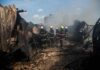
Two large earthquakes hit northern Venezuela on the evening of June 24. The first measured 7.2. The second, stronger quake measured 7.5 and came less than a minute later. Both shocks rattled the capital, Caracas, home to millions of people [11]. The United States Geological Survey mapped epicenters near San Felipe and Yumare. The quakes toppled buildings, damaged hospitals, and cut travel links, with the main airport reporting damage and closures on state media [14].
Venezuelan officials gave shifting casualty totals in the first two days. Acting leader Delcy Rodríguez first cited at least 164 dead and around 1,000 injured. Other state updates later reported about 235 deaths and more than 4,000 injured on television [11][1]. Reporters on the ground described destroyed homes and people trapped in rubble across La Guaira and Caracas. Search teams raced the clock to reach survivors as aftershocks continued to rattle nerves [1][6].
Why Independent Estimates Point Much Higher
Independent models warn the true death toll could be much higher. A United States Geological Survey impact model that weighs shaking, population, and building types said there is a high probability deaths exceed 1,000, and a real chance the number could pass 10,000 [10]. These models are not final counts, but they help frame risk when reports are fragmented. That gap with official tallies drew scrutiny from observers and raised concern about reporting delays or blind spots [10].
Key gaps appeared in early numbers. Venezuelan officials said the state of La Guaira, described as the hardest hit, was not included in initial counts. That alone suggests totals would climb once teams reached cut-off zones and restored communications [12][14]. Mayors and governors reported rescues and bodies recovered in specific buildings, signaling a still-moving picture on the ground. As roads reopen and heavy equipment arrives, the number of found victims usually rises [11][12].
United States Aid Moves Fast While Questions Linger
The United States announced $150 million for the response, with funds for relief groups and support for the United Nations operations. American aircraft and search-and-rescue teams were deployed to help find survivors and assess damage [1][7]. The administration also coordinated with partners in the region. This is what American leadership looks like in a crisis: fast, practical help, focused on saving lives and restoring order while respecting sovereignty [1][7].
Clear numbers matter because aid follows facts. Inflated figures can waste resources, but lowball counts can slow the help victims need. The best practice is simple: release what is verified, flag what is unknown, and update often. The United States Geological Survey model sets a sober bar for planners. It signals to donors and rescue teams to prepare for a mass-casualty event, not a minor disaster [10]. That approach puts families first and cuts red tape when minutes mean lives.
What Conservative Readers Should Watch Next
Watch access to the worst zones. If crews still cannot reach parts of La Guaira or other coastal areas, reported deaths will lag reality [12][14]. Watch hospital capacity in Caracas. Overloaded hospitals point to higher injury counts than official releases. Watch transparency. Rapid, public updates build trust and speed aid delivery. When numbers jump suddenly after days of silence, it often means a backlog of reports finally reached the capital, not that the danger passed [11][1][10].
TOP STORIES | 27/06/2026
– ‘We’re under attack, but we shall win’ — Seriake Dickson to court ruling voiding NDC registration
– Tinubu signs NIMC Act 2026 into law
– NDC: All our candidates will be on the ballot in 2027 they have nothing to fear
– Venezuela 🇻🇪 twin earthquakes pic.twitter.com/1YQ3zbgm83— MAIYAKI Newsline (@MAIYAKINewsline) June 27, 2026
Americans can be proud that our country moves when people are in need. That said, accountability still matters. Relief should reach victims, not get stuck in bureaucracy or politics. The quakes struck a nation already in crisis. That makes clear reporting even more important. Our values demand honest numbers, open data, and real results. The Trump administration’s early action set the tone. Now the world will judge this response by lives saved, not talking points [1][7][14].
Sources:
[1] Web – Venezuela earthquakes kill nearly 1,000, tens of thousands missing
[6] Web – Massive earthquakes strike Venezuela, killing at least 32 people
[7] Web – Venezuela reels from twin earthquakes – CNN
[10] Web – UN_Spokesperson on the earthquakes in #Venezuela – Instagram
[11] Web – Early data on the devastating twin earthquakes in Venezuela
[12] Web – Rescuers race to find Venezuela quake survivors – BBC
[14] Web – The death toll from the twin quakes in Venezuela — a country mired …