
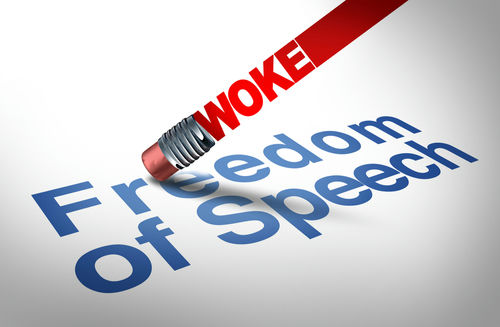
The Canadian government’s “online safety” advisory panel, stacked with activist leaders from organizations that label and track so-called extremists, raises serious concerns about free speech erosion under the guise of combating hate.
Activist-Led Panel Reconvened Under Liberal Minister
Minister Marc Miller of Canadian Identity and Culture reconvened the expert advisory group on online safety in March 2026, naming Bernie Farber among its key members. Farber founded the Canadian Anti-Hate Network, an organization dedicated to tracking and exposing groups it labels as far-right extremists. The panel includes other academics and activists focused on radicalization, cybersecurity law, and child protection. This government-selected group will advise on emerging online harms, including artificial intelligence-driven threats, positioning activist perspectives at the center of potential speech regulation policy.
Canadian Anti-Hate Network’s Mission and Influence
The Canadian Anti-Hate Network operates as a non-profit organization sharing data with policymakers and journalists about individuals and groups it considers extremist. Its board includes Sue Gardner as Chair and Richard Warman, figures known for aggressive anti-hate activism. CAHN’s stated mission involves disrupting hate through public labeling, investigations, and policy advocacy. Critics argue this approach creates a dangerous precedent where unelected activists gain outsized influence over government decisions about acceptable speech. The organization’s focus on “far-right” movements raises concerns about bias and selective enforcement that could target legitimate conservative viewpoints.
Free Speech Concerns and Censorship Risks
The panel’s composition reflects a troubling pattern where government outsources speech policy to ideologically aligned activists rather than balanced, principled defenders of constitutional freedoms. Farber actively shared government correspondence with media outlets, highlighting the panel’s focus on AI and chatbot-related harms. This activist-driven approach risks expanding Bill C-63, Canada’s Online Harms Act, which already faces criticism for potential overreach. Tech platforms could face increased compliance burdens, while ordinary Canadians may see their ability to express conservative opinions online further restricted under vague “hate speech” standards defined by those hostile to traditional values.
The panel traces back to Trudeau-era initiatives on online harms, originally addressing radicalization and extremism following incidents like the 2017 Quebec City mosque shooting. While legitimate safety concerns exist, using tragedy to justify expanded government control over speech represents a classic overreach tactic. The timing proves particularly questionable given the recent closure of federal offices combating antisemitism and Islamophobia. This suggests the Liberal government prioritizes controlling online narratives over genuine hate prevention, using advisory panels dominated by sympathetic activists to provide cover for censorship policies that would face public backlash if implemented directly.
Implications for Platform Regulation and Digital Freedom
The panel’s recommendations could set precedents affecting digital policy across sectors, embedding anti-hate activist perspectives into tech regulation frameworks. Short-term impacts include shaping immediate policy advice on platform content moderation and speech restrictions. Long-term consequences may involve permanently institutionalizing activist influence over what Canadians can say online. Groups labeled “extremist” by organizations like CAHN face increased scrutiny regardless of whether their views simply reflect mainstream conservative principles. This approach mirrors authoritarian tactics where governments use third-party organizations to identify political opponents, then claim they’re merely following expert guidance when restricting freedoms.
Americans should pay close attention to Canada’s trajectory as a warning about where activist-influenced government panels lead. The advisory group represents precisely the kind of public-private partnership that threatens constitutional liberties under progressive governance. When unelected activists gain official advisory roles, policies inevitably reflect their ideological biases rather than protecting fundamental rights like free expression. Conservative voices face the greatest risk under such systems, as demonstrated by CAHN’s explicit focus on targeting “far-right” groups while progressive extremism receives far less scrutiny. This double standard undermines any claim that such panels serve legitimate safety rather than political control objectives.
Sources:
About — Canadian Anti-Hate Network
Feds appoint “online safety” advisory group dominated by academics and activists — Juno News
Canada reconvenes expert group on online safety — Mirage News
Government of Canada reconvenes the expert advisory group on online safety — Government of Canada
Federal government reconsiders online harms panel on AI — The Logic