

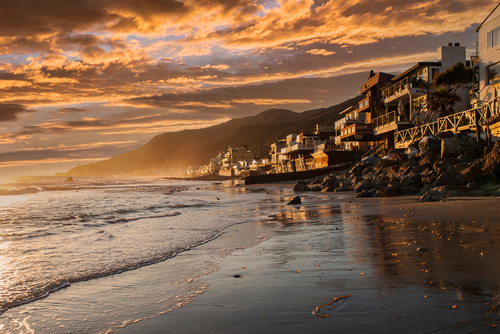
The Trump administration has moved to crack open California’s coast to offshore drilling again, setting up a direct fight with state regulators and West Coast governors.
Quick Take
- The Interior Department unveiled a five-year offshore drilling plan that includes six California lease sales from 2027 through 2030.[4]
- The plan also opens the Eastern Gulf of Mexico to new lease sales starting in 2029, about 100 nautical miles from Florida.[4]
- Interior Secretary Doug Burgum said the plan is meant to strengthen energy supply and keep workers employed.[5]
- California, Oregon, and Washington have filed formal opposition to the plan.[9][10]
Washington Draws a New Line on the California Coast
On Thursday, the Trump administration unveiled a five-year offshore drilling plan that would open large parts of California’s coastline to new oil extraction.[4] The move marks a sharp break from decades of restraint in state waters and revives a fight that has long split coastal leaders from Washington. Federal officials framed the plan as a way to boost energy output, while critics warned it could harm beaches, marine life, and coastal communities.[5][9]
The plan calls for six lease sales off California between 2027 and 2030, with drilling opportunities first in central and southern California and later in northern waters.[4] It also includes new lease sales in the Eastern Gulf of Mexico starting in 2029.[4] CNN reported that the California move would be the first major offshore expansion there since the late 1960s, underscoring how far the administration is willing to go in its push for more domestic production.[4]
Burgum Says the Plan Will Back Energy and Jobs
Interior Secretary Doug Burgum said the administration’s offshore strategy is meant to strengthen the nation’s energy supply and protect jobs.[5] That is the core argument behind the plan. Officials say more drilling will support American workers and reduce reliance on foreign oil.[5] Supporters of offshore development see that as common sense policy after years of tighter federal rules and weaker domestic output.
But the administration has not shown public economic data in the material reviewed here to prove lower fuel prices will follow.[4][5] The plan rests on the claim that more supply will help the market, yet the available reporting mainly quotes officials making that case rather than publishing hard forecasts. That leaves a key question unanswered for families already hit by high energy costs: how much relief would this really bring?
California and Coastal States Push Back Hard
California Gov. Gavin Newsom, along with the governors of Oregon and Washington, submitted formal opposition to the plan.[9][10] The California Natural Resources Agency also filed comments against it.[9] Their warning is simple: more drilling off the West Coast could threaten marine ecosystems, coastal economies, and local communities that depend on clean water and tourism.
State leaders are not just making noise. They are building a record of opposition that could slow permits, trigger legal fights, and complicate any lease sales the administration tries to hold.[9][10] For readers who value limited government and state authority, the clash is bigger than one drilling proposal. It is another test of how far Washington can push into issues that affect California’s coast, local property, and the people who live and work there.
Sources:
[4] Web – Trump administration announces plan for new oil drilling off the …
[5] Web – Trump administration announces plan to drill oil off the California …
[9] Web – West coast governors united against Trump’s disastrous offshore …
[10] Web – Trump announcement of oil drilling off California, Florida …