

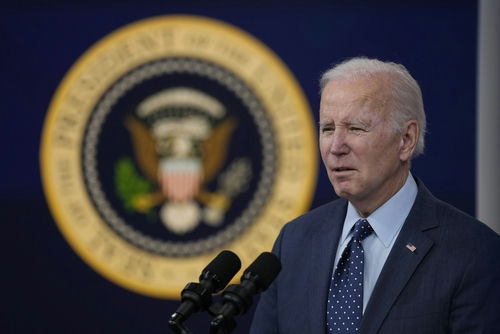
Biden’s July 4th message downplayed division and drew immediate fire for soft-pedaling America’s struggles while Trump struck a proud “America is back” tone.
Story Highlights
- Biden said Americans are “not as divided as we’re told,” sparking backlash for minimizing deep rifts.
- His call to “live up to our founding promise” was blasted as gloomy on a milestone day.
- Trump’s “AMERICA IS BACK” message offered a sharp, optimistic contrast that energized supporters.
- Critics charged Biden’s phrasing blurred American exceptionalism into generic “opportunity” talk.
Biden’s Independence Day Message Triggers Blowback
Joe Biden posted on Independence Day that he does not believe Americans are “as divided as we’re told we are,” adding a “Happy 250th” sign-off. Many readers saw the line as waving away years of sharp political and cultural conflict. Critics said the timing and tone fell flat for a once-in-250-years moment. The pushback centered on substance, not misquotes, because the words came straight from his Independence Day post on X.
Biden also leaned on a familiar theme that “everyone is entitled to a shot.” Supporters cast this as a unity message. Detractors said it reduced American greatness to a vague promise of chances for all. They argued that on the Semiquincentennial, a president should speak to American strength, not give a classroom civics talk. The Instagram wording tied the appeal to the Constitution, yet critics saw it as soft and generic for such a historic day.
“Live Up To Our Founding Promise” vs. Celebrate Achievement
Biden urged Americans to “commit ourselves to living up to our founding promise.” Allies heard a call to do better. Opponents heard an admission that the nation falls short, which they viewed as poor framing for a 250th birthday message. The dispute grew when a local news post amplified the phrasing, making it a wider talking point. To critics, a milestone should spotlight progress and pride, not focus on gaps and failings.
The backlash sharpened because the message came amid clear signs of polarization across the country. When a leader says we are not as divided as portrayed, people living those divides can feel dismissed. That does not make the sentiment false, but it makes it harder to sell. The line’s vagueness invited others to define it. On a day for unity, the wording gave critics an easy opening to question judgment and tone.
Trump’s Patriotic Contrast Sets the Narrative
Donald Trump marked the day with a bold “AMERICA IS BACK” declaration. Supporters embraced the simple, upbeat message. It painted a picture of national renewal and pride. Placed next to Biden’s cautionary notes, the contrast was striking. In political communication, tone matters as much as content. Here, the brighter voice shaped perception and drew a cleaner headline for those who want strength and clarity from national leaders.
Some reports said several former presidents offered unity themes on the 250th. That broader context exists, but it does not erase the reaction to Biden’s specific words. His critics did not need him to say “anti-American” to claim his tone missed the moment. The record shows he sent “Happy 250th” wishes and spoke of freedom and opportunity. The record also shows many readers heard hedging instead of celebration and responded in force online.
Why Tone And Timing Landed Poorly With Many
Independence Day calls for gratitude, resolve, and pride. Americans expect leaders to honor sacrifice, defend the Constitution, and cherish liberty. Biden’s message cited ideals, yet it leaned on caveats about living up to promises and questioning division. That sounded cautious to people who want a firm stand for the nation’s greatness. The sharper, cleaner “America is back” slogan captured that desire. In the split-screen of modern media, the simpler banner often wins.
What Comes Next
The fight over this message shows how every word on a national holiday carries weight. Future leaders will note that clear praise for American courage and achievement travels farther than careful lectures about ideals. Unity still matters. But unity lines that appear to downplay real conflict will keep drawing heat. Expect more side-by-side framing ahead, as campaigns test which tone moves voters who are tired of scolding and hungry for confidence and results.
Sources:
thegatewaypundit.com, thehill.com, facebook.com, x.com