

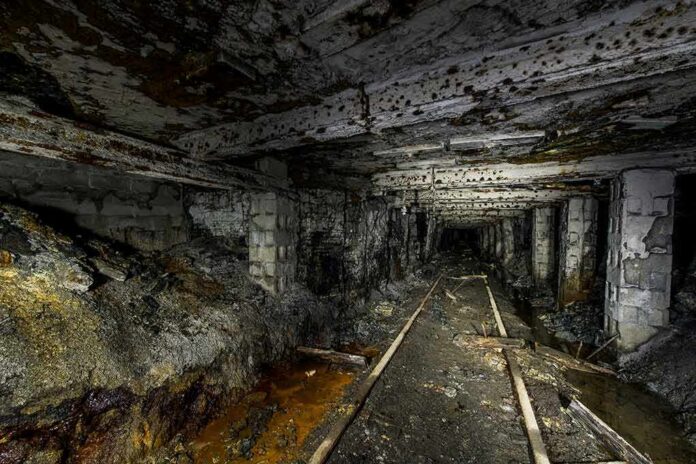
Israeli combat engineers guided journalist Erin Molan through Gaza’s underground passages where the Israel Defense Forces (IDF) says it is dismantling active terror tunnels used to hide fighters and weapons.
Story Highlights
- IDF reports recent demolition of a 1.5-kilometer tunnel in northern Gaza.
- Military briefers say a 600-meter tunnel crossed the Yellow Line in central Gaza.
- IDF publications cite Hamas documents seeking funds to fortify tunnels.
- Hamas denies building tunnels near civilian areas, calling the claims “lies”.
Inside The Tunnels: What The Cameras Saw And What The IDF Claims
Erin Molan’s guided visit showcased narrow passages, reinforced shafts, and rooms the IDF described as staging areas. Israeli officers said these corridors help fighters move, ambush, and hide. Recent IDF updates cited a 1.5-kilometer tunnel blown in northern Gaza and a separate 600-meter route that crossed the Yellow Line, suggesting reach across contested ground. These tours aim to show function, not just rubble. The military’s message is clear: tunnels are tools of war, not shelters or simple hideouts.
IDF-aligned reporting has highlighted caches of weapons and living spaces found underground in earlier operations. One such report said troops dismantled about nine miles of tunnels in northern Gaza and found quarters and stockpiles along the routes. These claims frame the network as an organized system with command value, not random holes. That picture supports Israel’s case that combat here is not only above ground. It is also below streets, homes, and key sites where fighters can regroup.
Concrete Numbers: What Has Been Destroyed, And What Is Unclear
On measured results, the IDF and aligned coverage cited specific lengths: a 1.5-kilometer tunnel removed in the north and a 600-meter find in central Gaza. Another report said twenty-six kilometers of tunnels were taken out after a ceasefire began, signaling work that continues over months, not days. These data points show repeated finds but not a full map. The public record remains a series of episodes, not a complete audit of everything that lies below.
That gap matters for honest reporting. Access is limited and dangerous, and underground sites are hard to map. The strongest figures today come from military sources that control entry, demolition, and imagery. Hamas denies Israel’s core charge that it hides near civilian sites, calling such claims “pure lies and misinformation”. With few neutral inspections, each side’s claims land in a fight over trust. The result is proof by snapshots, not a single, shared ledger.
Evidence Of Intent: Documents, Fortification, And Planning
Beyond tours and blasts, the IDF published documents it says were captured from Hamas. One letter, linked to Yahya Sinwar, asked for funds to reinforce tunnels across Gaza, showing planning and budget lines for concrete and support work. That evidence speaks to intent and investment. It suggests a deliberate effort to harden passages for long-term combat use. For readers, this underscores why tunnels are a military target and a central issue in Israel’s campaign.
Hamas leaders have made sweeping statements about size in past years, boasting of hundreds of kilometers underground, while also rejecting Israel’s claims about placement near civilian areas. Those statements cut both ways. Big numbers hint at scale, yet denials challenge the moral charge. Until a neutral engineering survey is possible, the most reliable public facts are the site-level finds tied to dates, places, and demolition footage. Those are specific, checkable, and repeat across months.
Why This Matters To American Readers: Security, Clarity, And The Rules Of War
American families understand that terrorists use cover and confusion. If fighters dig under homes, schools, or clinics, they endanger every civilian nearby and turn neighborhoods into shields. U.S. readers also expect clear rules and proof. The IDF’s named tunnel lengths and posted documents add concrete detail. At the same time, there is no full public tally of what remains. That is the honest limit today, and it is why the story keeps unfolding one tunnel at a time.
For conservatives who value strong borders, safe streets, and truth over spin, the lesson is simple. Underground warfare is real, and it thrives where leaders allow lawless actors to hide among civilians. Clear evidence, site by site, beats slogans. Molan’s visit shows how sunlight helps. As more routes are exposed and logged, the record will grow. Until then, judge the claims by specific finds, named sources, and proof you can see, not by grand totals no one can verify yet.
Sources:
jpost.com, timesofisrael.com, shutterstock.com, political.org, crbcnews.com, idf.il