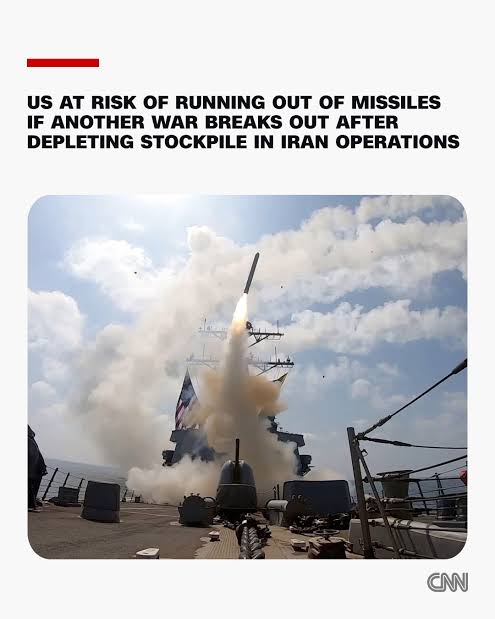

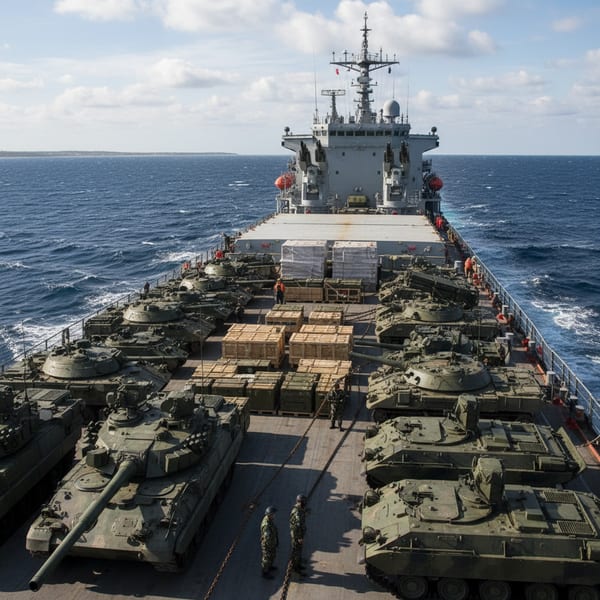
The United States has notified multiple European allies to expect significant delays in weapons deliveries as military stockpiles reach critically low levels due to ongoing conflicts with Iran, raising questions about America’s ability to fulfill defense commitments abroad while maintaining readiness at home.
Equipment Shortages Hit European Allies
The Pentagon informed several NATO countries that previously scheduled arms shipments will face indefinite postponement as the Iran conflict consumes American military resources at unprecedented rates. Defense officials cited severe depletion of equipment stockpiles as the primary reason for the delivery disruptions. The announcement marks the first time in decades that the United States has acknowledged insufficient inventory to meet both active combat operations and allied defense agreements simultaneously. European nations relying on American military hardware now face difficult decisions about alternative suppliers and defense strategies.
Iran Conflict Drains American Arsenal
The ongoing military engagement with Iran has consumed weapons systems, ammunition, and replacement parts faster than American defense contractors can manufacture them. Precision-guided munitions, artillery shells, and advanced air defense systems represent the most critically depleted categories. Defense analysts warn that extended conflicts expose vulnerabilities in the American defense industrial base, which shifted toward lean manufacturing practices over the past three decades. The current shortage highlights concerns about America’s capacity to sustain prolonged military operations while simultaneously supporting allies facing their own security threats from adversaries including Russia and China.
Questions About Military Readiness
Congressional leaders from both parties have requested briefings on how equipment shortages might affect American military readiness and the nation’s ability to respond to additional threats. The delays force European allies to reconsider defense procurement strategies and potentially seek alternative suppliers, potentially weakening decades-old military partnerships. Critics argue the situation demonstrates poor strategic planning and insufficient investment in defense manufacturing capacity. Supporters of the administration’s approach contend that prioritizing active combat operations over routine deliveries represents appropriate resource allocation during wartime. The Pentagon has not provided a timeline for when normal delivery schedules might resume or whether additional production capacity will be brought online to address the shortfall.

The U.S. is burning through critical munitions at a pace raising serious alarm inside defense circles.
New analysis shows massive depletion: ~45% of Precision Strike Missiles gone, nearly 50% of Patriot interceptors