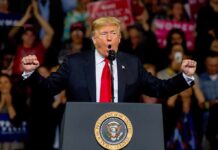


President Trump’s full pardon of Binance founder Changpeng “CZ” Zhao ends a high-profile case that split Washington over crypto, punishment, and fairness.
Story Highlights
- Trump granted Zhao a full, unconditional pardon after Zhao served a four-month sentence.
- Prosecutors earlier sought three years in prison to deter future Bank Secrecy Act violations.
- The Justice Department said Zhao pled guilty to failing to maintain an anti–money laundering program.
- Democrats like Rep. Maxine Waters blasted the pardon as corruption, while the White House framed it as anti-overreach.
What The Pardon Does And Why It Matters
President Trump used his constitutional clemency power to grant Zhao a full pardon after Zhao completed a four-month prison term tied to Bank Secrecy Act failures at Binance. The Department of Justice said Zhao pled guilty to failing to maintain an effective anti–money laundering program and stepped down as chief executive officer as part of a broader resolution. The pardon removes federal penalties on the covered offense and signals a reset in how this administration views crypto compliance cases.
White House Press Secretary Karoline Leavitt said Trump acted because Zhao had been targeted by the prior administration’s war on cryptocurrency, a stance that aligns with this White House’s effort to support innovation while enforcing clear rules. For many conservatives, the case came to embody two problems at once: heavy-handed prosecution that punished process failures like violent crime, and a Washington bias against new finance that everyday investors increasingly use.
How Prosecutors Framed The Case
Federal prosecutors argued Zhao ran Binance in willful violation of United States laws and pressed the court to impose a three-year sentence to deter others from breaking the Bank Secrecy Act to gain market share. The Justice Department’s filings and public statements stressed Zhao’s duty to build strong anti–money laundering controls, which they said Binance failed to do. A federal judge instead imposed a four-month sentence, far below the request, which Reuters noted was shorter than prosecutors sought.
After sentencing, a United States Attorney said incarceration was “critical,” underscoring the government’s push for jail time even when the offense was a compliance failure rather than classic fraud or theft. That posture raised a policy question that goes beyond Zhao: how should courts weigh executive responsibility for compliance systems versus direct, victim-based crimes? Many on the right see deterrence as vital, but also want proportionality and equal treatment under the law.
Why Many On The Right See Proportionality Problems
Supporters of Zhao pointed to similar Bank Secrecy Act cases that ended with home confinement or probation, arguing that prison was unusual for a single-count violation. They also note Zhao accepted responsibility, paid large penalties through the corporate resolution, and stepped aside from leadership. The pardon, in this view, corrects an outcome that leaned more on symbolism than fairness and brings policy back toward encouraging lawful innovation instead of criminalizing compliance gaps.
Conservatives also worry that aggressive prosecutions can chill American leadership in digital assets, push jobs overseas, and empower unelected bureaucrats. They want strong, clear rules that punish real bad actors, not shifting standards that turn technical misses into felonies. By ending this case with clemency, Trump signaled that deterrence should not become a pretext for anti-crypto zeal or selective enforcement that hurts growth and ordinary investors who use these tools.
The Political Crossfire And What Comes Next
Democrats quickly attacked the pardon. Rep. Maxine Waters called it corruption and claimed it favored crypto offenders over families, sharpening a partisan split on digital assets. The White House maintained the decision followed a review and addressed overreach from the prior administration’s approach to crypto enforcement. Reuters reported the pardon could allow Zhao to re-engage with the business he built, though any return will still face regulatory scrutiny.
The Pardon and Conviction: President Donald Trump granted a full and unconditional pardon to Changpeng Zhao, who had previously pleaded guilty in late 2023 to violating U.S. anti-money laundering laws, resulting in a four-month prison sentence.
$2 billion investment and the… pic.twitter.com/sIE24bXxfn— Ricky Gulliory (@RGulliory667) August 20, 2026
For readers, the bottom line is simple. Washington must punish crime and protect the financial system. But it must also avoid turning compliance errors into life-destroying punishments. Clear rules, equal justice, and American competitiveness can go together. Trump’s pardon plants a flag for that balance. Now Congress and regulators need to match it with stable, plain rules so builders stay here, bad actors face swift justice, and freedom, not bureaucrats, sets the pace.
Sources:
bbc.com, reuters.com, justice.gov, cnbc.com, pbs.org, wsj.com