

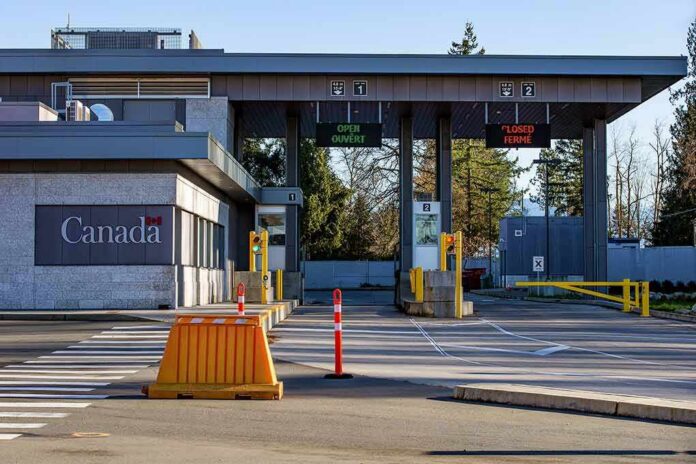
President Trump paused looming 50% tariffs on Canada after announcing a U.S.-Canada deal-in-principle that also puts Keystone XL back on the table.
Story Highlights
- Trump said the tariff pause follows a deal-in-principle with Canada, pending final documents.
- The White House and U.S. Trade Representative echoed the pause-and-deal message.
- Trump linked the talks to a possible Keystone XL revival, a long-time energy priority.
- Reports describe a last-minute pause near the tariff deadline as terms are finalized.
Tariff Threat Paused After Deal-in-Principle
President Trump announced a pause on scheduled 50 percent tariffs on Canadian goods after the United States and Canada reached a deal-in-principle, subject to final paperwork. The White House and the Office of the United States Trade Representative amplified the message, signaling an official administration stance that negotiations produced progress toward market access and trade rules alignment. Coverage described the pause as landing just before the deadline, showing the pressure worked while text is still being finalized.
Trump’s post framed the move as leverage that secured concessions, not a retreat. Reports noted the threatened tariffs were broad and steep, reinforcing why Ottawa engaged with urgency. Some outlets said the pause lasted a few days while details are locked down, which fits a common “deal first, documents next” pattern in trade standoffs. The administration’s approach mirrors earlier hard-bargain tactics: set clear costs, force talks, and hold the line until partners move on core issues.
Keystone XL Reenters the Conversation
Trump tied the breakthrough to a possible revival of the Keystone XL pipeline, calling it a project that could be “awoken from the grave” after past cancellations. That signal tracks with Trump’s record. In 2017, he invited a new Keystone application and then approved the presidential permit, showing consistent support for North American energy infrastructure and jobs. The pipeline reference matters because it points to energy security, lower transport costs, and stronger ties with a key supplier.
Reporting so far presents Keystone XL as a live topic in talks, not yet a signed term. Outlets say the discussions are advancing while the legal text is still coming together, and they note Canada has not publicly confirmed any pipeline commitment within the tariff pause framework. That does not erase the win of getting energy back on the table. It does mark a step that re-centers reliable North American fuel, after years of green mandates, canceled permits, and higher costs that hit families and small businesses.
What Is Confirmed—and What Still Awaits Paperwork
Three facts stand firm. First, the tariff threat is paused while the two sides complete documents, following a declared deal-in-principle. Second, the administration publicly linked the talks to Keystone XL and broader trade rules, indicating a push for market access and economic security terms that benefit American producers. Third, official accounts from the White House and the trade office backed the president’s message, putting the government’s weight behind it.
Some details remain pending. Canadian statements described progress but avoided confirming a full, final pact. Reports also said pipeline pieces are not yet locked, and final product lists or exact timelines for the pause have not been posted in rule form. That is common in trade showdowns. The sequence often runs public deal, rapid pause, then formal text, customs guidance, and enforcement steps. Readers should expect the written terms to clarify scope and duration once agencies publish them.
Why This Matters for Conservative Priorities
Energy and trade shape kitchen-table costs and national strength. A credible path to Keystone XL supports American refineries, eases bottlenecks, and cuts reliance on unstable suppliers. Trump’s move puts affordable energy and jobs back at the center after years of policy whiplash that raised prices. The pause also shows how firm pressure can bring partners to the table on fair access and clear rules, rather than letting bureaucrats and global forums dictate outcomes for American workers.
There are limits until documents land. But the direction is clear: leverage is back, borders and energy security matter, and the administration is aligning trade with strength at home. The next checkpoints are the signed text, any Federal Register notices that define the pause mechanics, and whether Canada affirms energy steps that match the spirit of the deal. For now, the tariffs are on hold, talks are live, and the pipeline door is open again—exactly where many conservatives wanted the fight to go.
Sources:
facebook.com, x.com, theguardian.com, cnn.com, everycrsreport.com