
Senator Marco Rubio told NBC’s Today show that President Trump’s new media-access rules target dishonest coverage, not the free press, and that “we’re not closing CNN.”
Story Highlights
- Rubio said the policy limits “special access” for outlets the White House says spread false stories, not general reporting access.
- President Trump announced CNN, MS Now, and Politico would lose White House access over “fake” reporting and national security concerns.
- Reporters from the three outlets were later turned away as credentials were disabled, confirming the policy was in effect.
- The outlets sued, calling the move a First Amendment violation; press groups echoed that claim.
Rubio Frames Access Limits as Viewpoint-Neutral Standards
Senator Marco Rubio told Today that the White House is not “closing CNN,” but is ending “special access” for outlets it believes push far-left propaganda. Rubio argued a Republican administration should not reward repeated falsehoods with prized seats and constant face time. He said the press can still report, challenge, and cover events from outside the White House grounds. His remarks mirror Vice President J.D. Vance’s argument that access is not owed to any one outlet when trust has broken down.
Rubio’s framing seeks to separate general reporting rights from the unique privileges of the White House campus. He cast the change as a standards question, not censorship. He did not cite a specific false story, but he stressed a pattern of slanted coverage and unnamed-source claims that, in his view, mislead the public. That line backs the administration’s stance that proximity is earned by accuracy and fairness, not by volume or legacy brand power.
Trump Cites “Fake News” and National Security in Announcing Ban
President Trump said he would bar CNN, MS Now, and Politico from the White House, citing “constant” fake reports and stories based on anonymous sources. He tied the move to national security, saying those practices can harm the country. He also said he does not have to admit outlets that, in his view, publish fiction or lies. He defended the step on camera and suggested he expects better, more truthful coverage from other reporters going forward.
Trump’s message leaned on two ideas: first, that chronic inaccuracy breaks trust with the public; second, that careless or agenda-driven reporting risks sensitive policy debates, including coverage tied to Iran. He said hostile coverage had weakened those debates and misled viewers. While the national-security claim raised stakes, the available reports did not point to a specific article or breach as the trigger for the new rules, which leaves that rationale open to legal and public challenge.
White House Implements Policy; Outlets Turned Away, Lawsuit Filed
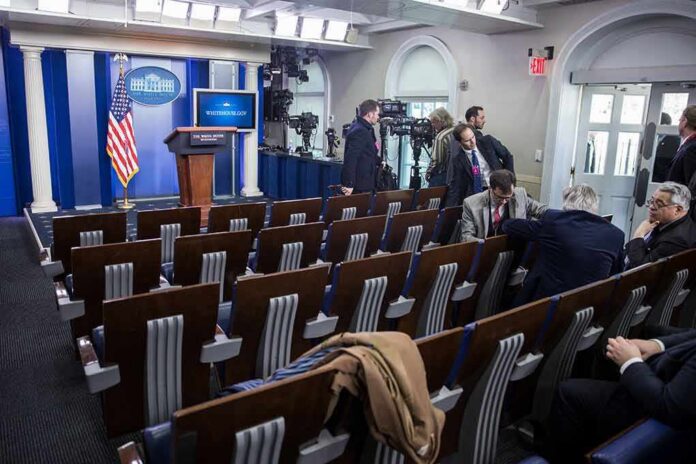
After Trump’s announcement, journalists from the three outlets said they were blocked from entering the White House, and some credentials were seized or deactivated. That showed the policy was not rhetorical; it was operational and immediate. The move triggered fast legal action. CNN, MS Now, and Politico sued the administration to restore access. They called the change unconstitutional retaliation and said it denies key opportunities to question the president and senior aides.
NewsLatest Trump has tense exchange with CNN’s Kaitlan Collins at United Nations after White House media ban: ‘You should not be here’ trendingnews https://t.co/BlFkOdG6wN
— Gbobal Buzz Daily (@JayaK38648) September 23, 2026
Press groups and the White House Correspondents’ Association backed the lawsuit’s core claim that viewpoint-based access rules violate the First Amendment. They pointed to long-standing court guidance that, once the White House opens facilities to the press, it must use clear, neutral standards and follow due process for any denial. The administration, meanwhile, argues it is policing standards and security, not silencing viewpoints. Courts will press both sides for records and specific facts to test those claims.
What Conservative Readers Should Watch Next
Courts will likely ask for the written basis for the access change, including any security reviews, warning letters, or cited false stories. If the White House can show neutral, pre-set rules applied evenhandedly, it strengthens the case that this is about standards, not speech. If records are thin, judges may side with the plaintiffs. Rubio’s “we’re not closing CNN” line signals a clear strategy: keep everyday reporting free, while reserving the people’s house for outlets that keep facts straight.
Sources:
theguardian.com, cnbc.com, ibtimes.sg, scrippsnews.com, npr.org, nbcnews.com, fox29.com