

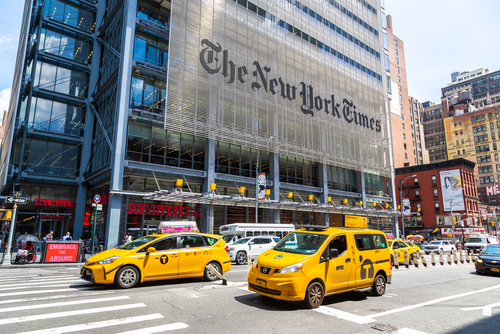
The Trump Justice Department quietly sent grand jury subpoenas to New York Times reporters—then backed off after a public firestorm over press freedom and leaks.
Story Snapshot
- The Trump administration is using leak investigations to push hard on national security reporters, including at The New York Times.
- Grand jury subpoenas and secret record seizures show how far federal lawyers will go to expose leakers inside government.
- Major media outlets and activist groups claim these moves are an attack on press freedom and the First Amendment.
- The pattern raises a tough question for conservatives: how to punish real national security leaks without handing new power to hostile media or unaccountable bureaucrats.
What The Justice Department Did To Times Reporters
The Trump Justice Department has already shown it is willing to go after New York Times reporters in leak cases. It secretly obtained months of phone records from four Times journalists as part of a national security leak investigation, pulling call logs without warning and only informing the paper later on. That kind of secret seizure does not jail reporters, but it can expose their sources inside the Pentagon or White House and send a clear signal to leakers that contact with the press may cost them their careers or freedom.
Sources now say federal prosecutors went a step further and issued grand jury subpoenas to several New York Times reporters who wrote about security concerns involving the new Air Force One and the broader war with Iran. These subpoenas ordered journalists to appear personally before a federal grand jury, not just hand over documents, raising the real risk of contempt charges and possible jail time if they refused to identify confidential sources. In leak cases, that kind of pressure is rare but powerful, because it turns reporters into direct targets of federal investigations rather than just observers of government actions.
How Trump’s Team Changed The Rules On Press Investigations
Under President Joe Biden, the Justice Department had put in formal safeguards that made it much harder to secretly seize reporters’ records or haul journalists into court over leaks. Those guidelines were written into the federal code after decades of concern about press freedom and are meant to limit subpoenas, court orders, and search warrants aimed at the news media. In Trump’s second term, his attorney general Pam Bondi rolled those protections back, issuing a new rule in 2025 that again gave prosecutors broad authority to seek journalist records in leak probes.
That change matters because it shifts power back to the federal government at the expense of the press. Bondi’s rule brought the regulations “back into alignment” with older policies that treat reporters more like any other citizen when it comes to criminal investigations. For many conservatives, this sounds reasonable—no one should be above the law. But it also means future liberal administrations could use the same tools against right-leaning outlets, Christian media, or gun rights voices, since the rule does not distinguish between national security leaks and partisan targets. Once the guardrails are gone, the weapon can point in any direction.
Media Backlash And The Fight Over The First Amendment
Major outlets and press freedom advocates are painting these Trump-era subpoenas and record seizures as a direct attack on the First Amendment. The New York Times, NBC News, Politico, and academic centers focused on free speech have described the moves as a “blatant infringement on constitutionally protected press freedom” and an “attack on constitutionally protected newsgathering,” language meant to warn readers that routine reporting itself is under threat. They argue that forcing journalists into grand jury rooms crosses a bright line and chills any source who might expose waste, abuse, or corruption in government.
https://twitter.com/diinahdotcom/status/2075845565615632772
At the same time, these critics have not produced clear public evidence that the leaks under investigation were harmless or fake. In most cases, the core question—did officials hand over classified information to reporters—remains under seal, and no forensic audits of seized devices have been released. That leaves voters caught between two claims: the administration says it is punishing people who risk troops’ lives by leaking war plans, while media groups say it is punishing routine reporting. Without more facts, both sides lean on broad principles, and readers must decide who they trust more when national security collides with press freedom.
Balancing National Security, Bureaucratic Power, And Conservative Values
This fight over subpoenas and phone records sits inside a wider pattern. The Trump team has tightened press access at the Pentagon and White House, pushing rules that make it harder for reporters to roam office spaces or question defense officials without approval. A federal judge already struck down one Pentagon press policy as illegal, ruling that it failed to give journalists fair notice of what normal reporting might cost them their credentials and warning that the rules made any unapproved newsgathering grounds for punishment. That decision shows courts are still willing to check executive overreach when it cuts against basic constitutional protections.
For conservatives, the stakes are high on both sides. Real national security leaks about war plans or intelligence methods do put American troops and families in danger, and most right-leaning readers rightly want those leakers found and punished. But every tool built today to pressure New York Times reporters can be turned tomorrow on Fox News, local Christian radio, or pro-life journalists if a future left-wing administration decides their work is “dangerous.” That is why many constitutional conservatives argue for a narrow, clearly written shield law: punish proven leakers inside government while keeping strong limits on when federal lawyers can drag the free press into grand juries or raid their records. Done wrong, a tough leak crackdown solves one problem and quietly creates another—more room for government to control speech when the political winds shift.
Sources:
newrepublic.com, firstamendment.mtsu.edu, cpj.org, nytimes.com, instagram.com, youtube.com