
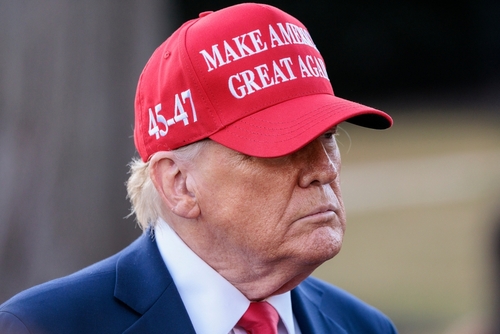
President Donald Trump warned that “communism is a mortal threat to American liberty,” and he is making that warning the centerpiece of his message to voters this summer.
Story Highlights
- Trump called communism America’s greatest current threat during July 4 anniversary speeches.
- A Reuters review found Trump invoked “communism” 81 times in two weeks across events and remarks.
- The message frames the midterms as a fight between Republican common sense and the left’s agenda.
- The White House marked Anti-Communism Week in 2025, signaling a long-running focus.
Trump Elevates Anti-Communism As Central 2026 Theme
White House and campaign aides tracked voter response as President Trump ramped up anti-communism warnings in late June and early July. A Reuters analysis counted 81 mentions of “communism” across Oval Office exchanges, a Theodore Roosevelt Library event, and America 250 ceremonies at Mount Rushmore and the National Mall. Trump tied the term to candidates on the left and to policies that grow federal power, saying such ideas erode freedom and faith in daily life.
During America’s 250th celebrations, Trump told large crowds that communism threatens the Constitution and basic rights. He called it a “mortal threat to American liberty,” and he urged voters to reject any platform that centralizes power in Washington. Coverage from national outlets summarized his appeal as a push for a clear choice: Republican common sense and limited government versus the left’s push for control over energy, speech, faith, and family life.
Why The Message Resonates With Frustrated Voters
Many families feel squeezed by high prices, energy shocks, and rules that raise costs. Trump’s focus links those pressures to top-down plans that punish work and reward bureaucracy. He argues that when government decides what you pay, drive, read, or teach your kids, freedom fades. That case lands with voters who remember past waste and culture fights in schools and agencies. Reporters say advisers believe the warning fires up core supporters and pulls in low-turnout conservatives.
Trump’s language also reflects a longer American pattern. Leaders have warned against internal subversion since the early republic. During the Cold War, speeches contrasted free markets and faith with state control and repression. Historians note anti-communism became a key political frame, often used to rally citizens against growth in federal power and foreign threats. Trump taps that history to argue that “soft” versions of control at home still end in less choice and more fear.
How 2026 Speeches Draw A Bright Policy Line
Trump’s July speeches named specific stakes: protect religious liberty, defend free speech, and keep parents in charge of schools. He warned that centralized planning hurts workers, raises energy costs, and weakens small business. He tied the left’s climate rules and speech policing to the same command-and-control mindset he calls communist at the core. Outlets described his frame as a civilizational clash between ordered liberty and a heavy-handed state that tells citizens how to live.
The White House signaled this emphasis last year. In November 2025, Trump proclaimed Anti-Communism Week, honoring victims of communist regimes and affirming the nation’s duty to stand with those who seek freedom. That action set a formal tone for today’s push. It placed anti-communism alongside other enduring priorities like border security, energy independence, and constitutional rights, including the Second Amendment.
Critics Push Back While The White House Stays The Course
Commentators on the left say the label is unfair. They argue Democrats back regulated markets, not state ownership. They claim the word “communist” stokes fear and lumps together liberals, progressives, and socialists. Media critics predict voter fatigue with hard rhetoric. Still, the reporting shows no dispute that Trump used the term widely and that he sees clear political upside in setting a sharp contrast before November.
At the July 2026 NATO Summit, President Trump argued that communism poses a greater existential threat to the U.S. than World Wars or 9/11, cautioning against its domestic spread. Beyond this warning, the summit featured agreements to raise NATO defense spending targets to 5% of…
— Ben benarres (@benny_benares) July 9, 2026
For many conservatives, the substance matters more than the label. They see rules that silence dissent online, school lessons that sideline parents, and energy mandates that hike bills. They hear talk of wealth seizures, speech codes, and weaponized agencies. Trump’s pledge is simple: stop policies that centralize power and shield the people’s rights instead. Voters who want lower costs, safe streets, fair elections, secure borders, and strong families will hear that as a call to stand firm.