
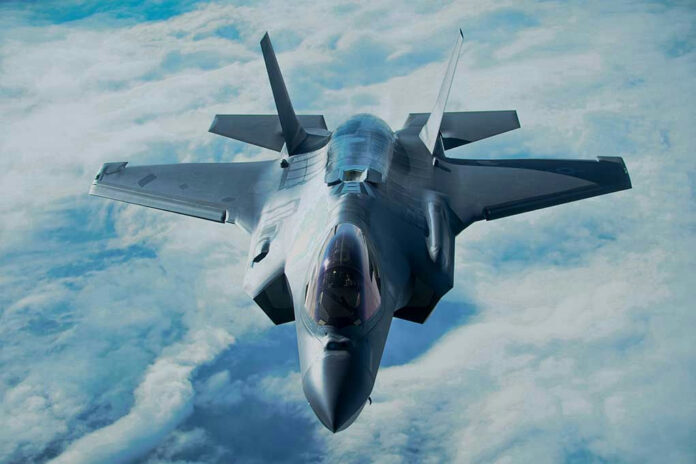
A Marine Corps F/A-18D crash near Rimrock Lake sparked a wildfire and fresh questions about flight safety and facts.
Story Snapshot
- Marine Corps F/A-18D crashed near Rimrock Lake in Washington; wildfire ignited [10].
- Officials often say such crashes are “under investigation” while facts develop [2].
- Early social posts outpaced confirmed details, adding confusion [6].
- No public cause yet; prior Navy statements in similar crashes stress caution [1].
What Happened Near Rimrock Lake
Local reports said a military aircraft crashed near Rimrock Lake in Yakima County on Saturday, starting a wildfire in nearby woods [10]. Fire crews and deputies moved fast to contain flames and secure the scene. Officials did not release a cause. The report did not list the pilot’s condition in that initial write-up. The focus stayed on the fire and safety for people in the area. The site remained closed to allow responders to work [10].
Social media accounts quickly labeled the jet as a Marine Corps F/A-18D and shared unit claims and video. Some posts added details that were not in official statements. That rush is common after military mishaps. Posts can help spread alerts, but they also risk mixing guesses with facts. Readers should expect changes as verified details come in and agencies speak. Early noise often fades once investigators share confirmed findings [6].
How The Military Handles Early Crash Reports
The United States Navy and Marine Corps usually say an incident is “under investigation” after a crash. That is standard while teams gather flight data, interview witnesses, and secure debris. In a similar Navy Super Hornet crash in Death Valley, the Navy stressed the event was under review and that it was coordinating with local authorities [2]. That cautious wording protects the process and avoids blaming pilots, parts, or maintenance before facts are clear.
National park officials who handled a separate Super Hornet crash notice also focused on response steps and scene safety. They reported timelines and access limits but did not claim a cause. That report showed the same careful pattern: confirm the crash, secure the area, and wait for investigators to speak about why it happened [1]. This careful approach reduces rumor, preserves evidence, and respects families and crews who deserve accurate answers.
Why Caution Matters For Readers And Taxpayers
Conservatives want truth, not spin. A crash like this raises fair questions about training, readiness, and cost. But early claims can be wrong and can smear pilots who risk their lives. A full probe can reveal weather, bird strikes, maintenance records, or rare part failures. Past military statements urge patience for good reason. Real fixes, if needed, come from facts, not hot takes. That is how leaders protect crews, budgets, and mission strength [2].
The wildfire risk adds a second concern. Local agencies must spend time and money to fight flames and keep people safe. When a military crash sparks a fire, the government coordinates with local partners. That cooperation matters for ranchers, homeowners, and travelers. The first duty is to stop the spread, then clear hazards like fuel or unexploded items. That is what responders near Rimrock Lake began doing after the crash report came in [10].
Sorting Claims Of “One-Off” Versus “Systemic”
Some commentators jump to big claims about fleet health after any Hornet crash. Others say it is a one-off and move on. The record here does not contain a final cause for the Rimrock event. That means broad claims are not proven yet. Official language in similar cases keeps the door open until the safety board finishes work. Readers should question sweeping takes during this window. Precision now helps hold leaders accountable later with real evidence [2].
Earlier today, an F/A-18D Hornet fighter jet crashed near Rimrock Lake in Washington. The pilot successfully ejected and survived the incident. pic.twitter.com/iit3mLfW7e
— Moshe Schwartz (@YWNReporter) June 14, 2026
Here is the bottom line for families, veterans, and taxpayers. Demand facts, not theater. Support the crew, firefighters, and deputies doing the hard work today. Expect the Marine Corps to brief the cause when ready. If the findings point to training gaps, parts issues, or maintenance strain, press for fixes and timelines. If it is truly isolated, insist on the data that shows it. Either way, strong defense and honest oversight go together in a free country.
Sources:
[1] Web – Marine Corps F/A-18 crashes in Washington state, sparks wildfire
[2] Web – F/A-18 Super Hornet Crash in Death Valley National Park
[6] YouTube – Pilot rescued after U.S. Navy fighter jet crashes off Virginia coast
[10] Web – Accident McDonnell Douglas F/A-18D Hornet 164017, Monday 8 …