

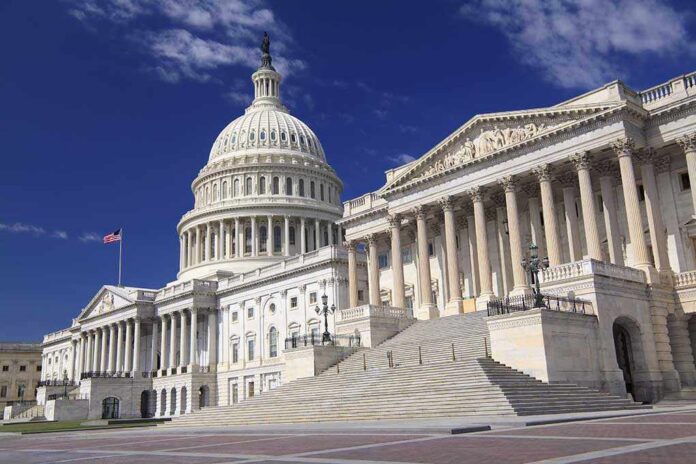
House leaders short-circuited a rare, eight-article impeachment drive against Defense Secretary Pete Hegseth with a narrow 211-204 referral vote, leaving the charges alive on paper but stalled in committee.
Story Highlights
- The House sent the Hegseth impeachment resolution to committee by a 211-204 vote.
- Rep. Thomas Massie filed eight articles alleging unlawful Iran war actions and deadly boat strikes.
- Democratic leaders backed the charges; Republican leaders moved to shelve them.
- Hegseth called the impeachment push a “farce” and defended the operations.
House Vote Shelves, But Does Not End, Impeachment Push
House members voted 211-204 to refer eight impeachment articles against Defense Secretary Pete Hegseth to the Judiciary Committee, a step that halts floor action but does not decide the allegations. Reports described the referral as effectively killing the measure for now. The vote did not judge the merits or produce new evidence. The action blocks a full House debate on the charges this session, and it reduces public fact-finding in open hearings.
Republican leaders backed the referral approach, while Democratic leaders supported advancing the articles. The measure originated from Representative Thomas Massie, who had split with party leaders. The procedural outcome means the House did not try the allegations or send them to the Senate. Coverage notes the optics of intraparty conflict and a lame-duck context, but the formal status remains: the resolution sits in committee.
What Massie’s Eight Articles Actually Allege
Representative Thomas Massie filed a 34-page, privileged resolution listing eight specific counts. The first set centers on the Iran conflict. The articles assert hostilities began without a declared war, explicit statute, an attack on the United States, or an imminent threat. Additional Iran claims say Hegseth kept forces engaged after both chambers called for removal and after the War Powers Resolution’s 60-day limit, and that safeguards to limit civilian harm were ignored during operations.
The resolution also targets alleged maritime use of force. One article accuses Hegseth of directing extrajudicial killings against suspected drug traffickers in the Caribbean Sea and Eastern Pacific Ocean. It cites secondary strikes on survivors and orders not to rescue shipwrecked persons. Reporting tied a casualty claim to at least 244 alleged deaths linked to these boat strikes. The filing seeks impeachment, removal, and disqualification from future federal office.
War Powers Dispute: Why It Matters to Congress
The core Iran claims track a long-running tug of war between Congress and presidents over initiating and sustaining hostilities. The War Powers Resolution requires presidential reporting within 48 hours when forces enter hostilities without a declaration of war, and it sets a general 60- to 90-day clock for withdrawal without authorization. Massie’s articles frame Hegseth’s conduct within that statutory structure and allege violations during the Iran conflict.
Congressional research explains that, since 1973, presidents have often claimed executive authority to act, while Congress has tried to assert its role through reporting and withdrawal rules. The House action here did not resolve that dispute. Instead, it sent the legal fight off the floor to a committee that may or may not act further this Congress, limiting near-term public clarity on dates, authorizations, and specific command decisions.
How Leaders on Both Sides Positioned the Fight
House Democratic leadership backed the impeachment filing and argued Hegseth abused power and harmed national security by prosecuting an unauthorized war. Reporting quotes Minority Leader Hakeem Jeffries to that effect. Republican leaders countered on process, steering the measure into committee and off the floor. The result left Democrats and Massie aligned on the articles, and the leadership of the Republican majority aligned on delay.
🚨 HEGSETH FIRES BACK AT IMPEACHMENT PUSH, CALLS IT A “FARCE”
U.S. Defense Secretary Pete Hegseth has hit back at efforts to impeach him, dismissing the push as a “farce” while fiercely defending US military operations in Iran. Hegseth praised President Donald Trump for putting… pic.twitter.com/gBIuqb2HXI
— LN24 INT'L (@ln24_intl) November 11, 2026
Defense Secretary Hegseth rejected the entire premise and defended the operations. He labeled the impeachment attempt a “farce” and a “stunt,” saying he stood behind the actions taken and would do them again if needed. That message framed the effort as political theater rather than oversight. His public stance now stands alongside the unresolved filing, which asserts serious constitutional and statutory breaches tied to war powers and maritime force.
What Comes Next and What Remains Unsettled
The House referral means no immediate trial, no Senate role, and no floor debate on evidence. The Judiciary Committee holds the file and could hold hearings or let it expire. The allegations themselves are detailed but rely on summarized reporting in public view, not full exhibits. The vote does not clear Hegseth, and it does not convict him. It simply pauses the fight where process often beats sunlight: inside the committee room.
Sources:
reason.com, afp.com, cnbc.com, 6abc.com, nbcwashington.com