
A suspected Chinese influence operation targeting America’s top chipmaker has triggered an FBI review and a board probe, with Nvidia’s directors saying they see no sign so far that national security or company secrets were stolen.
Story Snapshot
- Nvidia’s board says it has no reason to believe national security or company secrets were compromised.
- Reports say Chinese intelligence recruited a woman who targeted CEO Jensen Huang; he admits an affair but denies spy knowledge.
- U.S. officials reportedly view Huang as the target, not a knowing participant, while the board keeps him as CEO during the review.
- President Trump says the Federal Bureau of Investigation (FBI) is examining the matter; China issues a blanket denial.
Board Statement: No Evidence of Stolen Secrets, Review Underway
Nvidia announced that its board formed an independent committee and hired outside counsel after reports tied a woman to Chinese intelligence and to an affair with CEO Jensen Huang. The company said it has no reason to believe national security or Nvidia’s secrets were compromised, but it will examine all available information and cooperate with authorities. Directors kept Huang in place and said he supports the review and will fully cooperate as it proceeds.
Huang acknowledged the affair in a memo to employees, apologized to his family and staff, and backed the board’s review. Reporting describes him as a possible target of a foreign intelligence effort, not a willing participant. U.S. officials reportedly do not believe he knew the woman worked for the Chinese government, which aligns with Nvidia’s framing of him as the target of an influence attempt rather than an actor in it.
Alleged Targeting by Chinese Intelligence and What Investigators Are Probing
The New York Times reported that China’s main intelligence service recruited a woman who sought access to Huang and information about advanced chips and corporate posture on exports to China. The Associated Press said investigators are looking at the woman and associates tied to a company called Megaspeed, including possible efforts to move restricted chips into China. China dismissed the allegations as a smear, offering a categorical denial that does not resolve the specific claims.
The financial press and major outlets stressed what is known and what is not. There is no public proof that Huang knowingly aided espionage, and the central questions remain whether he knew of any spy activity and whether confidential data moved through the relationship. Analysts caution those answers require evidence, not speculation, and the board inquiry will need records, interviews, and forensics to reach findings.
National Security Stakes: Why This Matters for American Industry
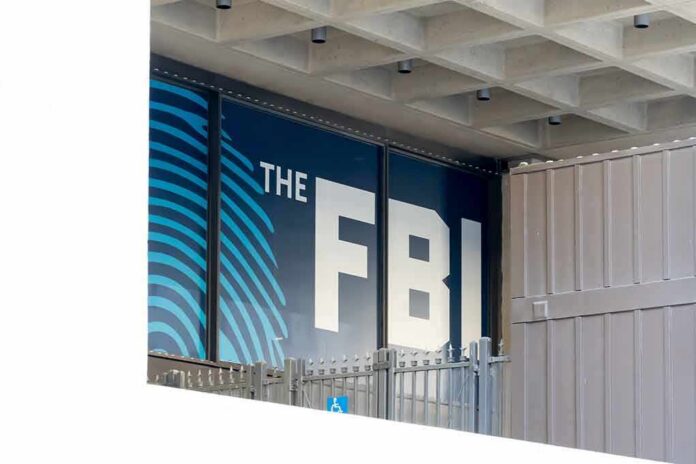
The FBI has warned for years that China-linked economic espionage targets American technology across many sectors, often by recruiting people rather than only hacking networks. The bureau has described thousands of open cases tied to China’s efforts to take U.S. innovation and undermine export rules. That pattern makes the Nvidia matter more than a tabloid scandal. It is a live test of corporate security, executive discipline, and America’s resolve to protect strategic technology.
President Trump said the FBI is examining the claims, fitting a broader push to harden controls on advanced chips and block illicit channels. Conservatives want facts, speed, and real accountability. That means verifying whether any warnings reached Huang, checking access logs and devices, and mapping contacts tied to the alleged operation. If evidence shows attempted penetration, prosecutors and regulators should act. If not, the record should clear the air and let American industry refocus on building here at home.
Governance and Next Steps: How to Get Answers Without Drama
Best practice calls for independent oversight, defined scopes, and full document reviews when allegations reach the chief executive. Boards typically engage outside counsel, set interview lists, and preserve devices to avoid gaps. Nvidia’s directors say they have launched that process. Shareholders, employees, and national security officials should now look for a timeline of contacts, any warning logs, and a clean audit of systems tied to restricted information. Clear findings, not spin, will rebuild trust.
Sources:
cbsnews.com, nytimes.com, cnbc.com, bbc.com, apnews.com, ft.com, sherafy.com