
A deadly wildfire in southern Spain killed at least 11 to 12 people near Almería as extreme heat drove fast-moving flames that trapped victims in vehicles.
Story Highlights
- Authorities reported 11 to 12 deaths as the toll rose during the day.
- Regional officials said six people were injured in the blaze.
- Some victims were found inside cars as they tried to flee.
- About 150 firefighters battled the fire in harsh heat and wind.
Confirmed Deaths And Injuries In Almería Wildfire
Regional leaders in Andalusia first confirmed at least 11 deaths and six injuries after a wildfire tore through areas near Almería on July 10, 2026. Emergency services later raised the death count to at least 12 as search teams reached burned-out areas and roads. Reporters said some victims were found inside vehicles, showing how quickly flames cut off escape routes. Officials warned that counts can change as crews move through smoke and rubble. Families waited for identifications and updates.
Local authorities said the blaze spread fast in dry hills near small towns northwest of the coastal city. Fire lines shifted with gusty winds. Evacuations began as the fire jumped roads and moved down slopes toward homes and farms. First responders focused on saving lives, then held the flanks to keep the fire from reaching denser neighborhoods. The early chaos explains why the first death toll came in lower than the later confirmed number, a common pattern in fast-burning events.
Firefighting Response Under Extreme Conditions
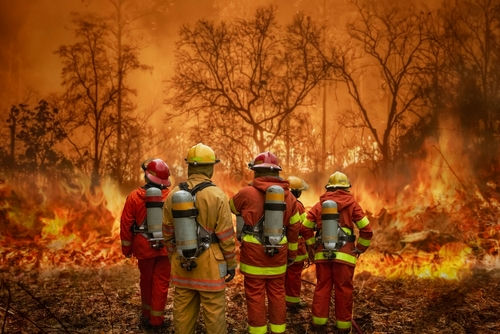
About 150 firefighters deployed to the fire zone as temperatures soared and humidity dropped. Crews used engines and hand tools along steep terrain while aircraft scouted safe drops when smoke lifted. Commanders rotated teams to avoid heat injuries. Medics treated the injured and supported evacuations. Police closed roads to keep lanes clear for rescue units. The pace of the fire and shifting winds limited line-building progress. Night work targeted hot spots to protect nearby homes and to reopen key routes by morning.
Authorities reported scenes that showed how speed killed. Some drivers were overtaken as smoke reduced visibility and flames crossed roadways. Responders urged residents to leave early, not wait for final warnings. The goal was to move people to safer ground before narrow escape routes closed. Local officials also coordinated temporary shelter and water for evacuees. This lifesaving work took priority while investigators set aside the search for an ignition cause until the area cooled and access improved.
Why The Death Toll Shifted And What We Know Now
Initial reports listed 11 dead, based on the first reachable sites and interviews with responders. As teams gained access, the official count rose to at least 12, reflecting a clearer picture from ground searches and medical checks. France-based reporting matched local accounts that some victims were located in vehicles, strengthening confidence in the emerging timeline and explaining the tragic last minutes for those trapped by fire on the move. The exact number may still adjust as authorities complete their work.
Spain Heatwave Fuels Deadly Wildfire, Killing 12 #Spain pic.twitter.com/GIvBNlTg7f
— Armenian News-NEWSam (@NEWSam_English) July 10, 2026
Officials have not confirmed the cause. Investigators will study weather, fuel loads, power lines, traffic incidents, and human activity. Past research shows Spain suffers the highest total wildfire deaths in Southern Europe over decades, with summer heat and dense fuels as key drivers. That history fits the pattern seen here. While activists often rush to blame politics or distant factors, the facts so far show a fast fire, hot weather, tight escape routes, and people caught in the path. The focus now is on relief and clear information.
Sources:
youtube.com, facebook.com, instagram.com