
Hundreds of migrants left Tapachula in a new caravan, demanding papers to move and work as Mexico’s asylum backlog grinds on.
Story Highlights
- About 500 migrants marched from Tapachula, citing long waits for documents and no jobs.
- Many say they want permission to work or relocate inside Mexico while cases are pending.
- Tapachula’s asylum office has faced years of overload, with months-long delays documented.
- Some caravans now aim for interior Mexican cities instead of the United States border.
Caravan Launches From Tapachula Over Delays and Joblessness
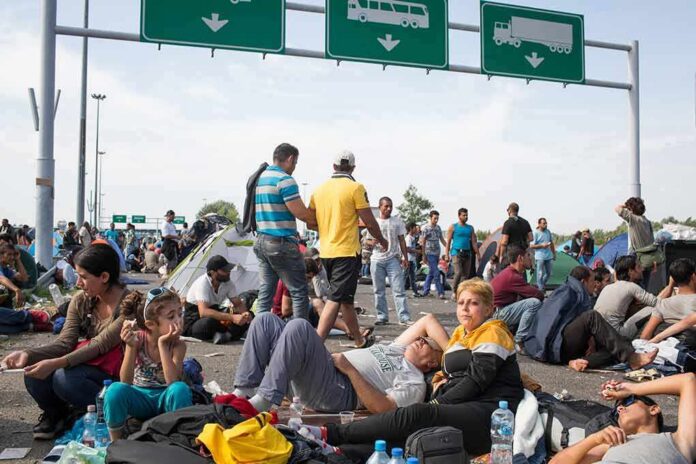
Associated Press reported that around 500 migrants set out from Tapachula on Tuesday night and continued Wednesday, protesting delayed paperwork and asking for permission to move where jobs exist. Migrants said they cannot work while they wait, and they want a way to travel to other Mexican cities to support their families. Tapachula sits near Mexico’s border with Guatemala and has become a holding point. Local work is scarce, and housing costs strain people with no legal income.
Witnesses described a peaceful march along highways out of the city. Organizers urged authorities to issue documents that allow internal travel and employment while asylum cases are processed. Some participants carry children and push strollers. Many are from Haiti, Cuba, and several African nations, according to prior reporting on similar groups. People described months of waiting without clear answers. They said they do not want handouts. They want legal permission to work and move to where work is available.
System Backlog in Tapachula Drives Repeated Caravans
Years of overload at Mexico’s refugee agency office in Tapachula have fueled the pattern now seen again. A rights organization documented that 89,613 asylum claims were filed there in 2021, putting heavy strain on staff and stretching wait times into many months. Congestion forces repeat in-person check-ins that keep people stuck near the border. Legal groups and reporters have shown that backlogs push migrants to march together as leverage to get transfers, travel permits, or faster processing.
Recent coverage shows the same pressure points repeating. Hundreds to thousands have left southern Mexico in past caravans seeking either the United States border or larger Mexican cities. Earlier this spring, outlets reported groups leaving Tapachula and walking north on main roads after weeks of delay. Some caravans lost numbers as people accepted buses or documents along the route. Others kept going until authorities engaged. Public order concerns rise when large groups sleep on sidewalks and block roads.
Route Goals Shift: Interior Cities Over the U.S. Border
Some in this latest wave say they no longer plan to try for the United States. Instead, they hope to settle in Mexico City, Monterrey, or other hubs if they can lawfully work. Associated Press previously reported that many migrants now feel the United States is too hard to reach under tougher rules, and they aim for jobs in Mexican cities instead. That shift changes strain patterns. Pressure moves from Tapachula to the interior, where cities face housing and service burdens.
MIGRANT CARAVAN EXPLODES AHEAD OF MIDTERMS@OscarRamirezTJ reports a migrant caravan of roughly 1,000–1,500 people is forming in southern Mexico, saying migrants are watching U.S. elections and betting on Democrat border policies. If those policies return, he warns of a “massive… pic.twitter.com/3znBYmMVAy
— Real America's Voice (RAV) (@RealAmVoice) August 19, 2026
For American readers, this matters for border readiness and resources. When caravans move north, cartels and smugglers exploit the flow. Police and border agents on both sides must stand ready. If Mexico’s system holds people in one city without work, more caravans form. If it releases large groups at once, transit corridors feel the shock. Either way, the United States must keep a firm, orderly border posture while working with Mexico to reduce chaos and deter illegal crossings.
Policy Stakes for Security, Rule of Law, and Communities
President Trump’s administration has stressed control at the border and tighter asylum rules. That stance shapes migrant choices and reduces pull factors. Still, bottlenecks in Mexico create ripple effects. Overloaded offices keep people idle, which feeds unrest. Clear, swift processing paired with strict enforcement can cut incentives to join caravans and attempt illegal entry. Order at the border protects American towns, supports law enforcement, and defends the rule of law that citizens expect.
Local leaders in the United States want fewer mass surges and more predictability. Families want safe streets, steady prices, and jobs that are not undercut by illegal labor. A stable system on the Mexican side helps. That means Mexico moving cases faster and allowing lawful work or relocation when appropriate, while stopping illegal transit. It also means the United States keeping strong barriers, fast removals, and consequences for unlawful entry. These steps protect communities and keep resources focused where they are needed most.
What to Watch Next
Authorities in Mexico may respond with buses, transfer papers, or enforcement. Group size could shrink if some receive documents while others continue on foot. Interior Mexican cities may report rising shelter demand. If parts of the caravan turn toward the United States, American border sectors will need surge plans ready. The core drivers remain the same: long waits, blocked work, and a desire to move. Until those are fixed, more caravans will form from Tapachula and test the system again.
Sources:
youtube.com, aztecreports.com, texasscorecard.com