

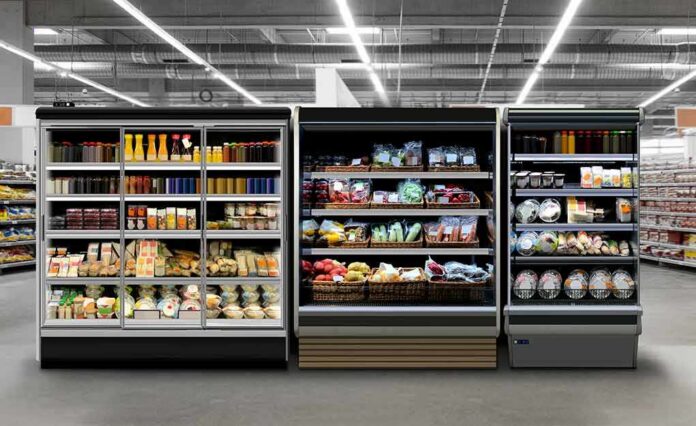
Hackers hijacked supermarket refrigeration across France, spoiling food and sparking fires by forcing units up to 122°F — a blunt warning that cyberattacks now hit families at the dinner table, not just data centers.
Story Highlights
- French officials confirmed widespread compromises of remote refrigeration controls at hundreds of stores.
- Attackers cranked temperatures using built-in defrost features, destroying food and creating fire risks.
- Investigators have not named a culprit; authorities ordered systems disconnected from the Internet.
- The incident shows how cyber-physical attacks threaten daily life and food supply chains.
French Authorities Confirm Large-Scale Fridge Compromise
French officials said hundreds of supermarkets lost safe cooling after attackers seized remote control of refrigeration systems. France’s national computer emergency team reported numerous compromises and urged operators to cut Internet access to affected controls. Reuters reported temperatures were pushed as high as 50 degrees Celsius, causing fires and massive food spoilage across chains nationwide. The Paris prosecutor opened an investigation as stores scrambled to dump unsafe perishables and secure their equipment.
France’s cybersecurity agency told reporters that hackers exploited features in multiple vendors’ controllers, including units from Danfoss, Copeland, and Dixell. By abusing defrost functions and removing normal limits, attackers heated fridges and freezers far beyond safe ranges. Investigators said the wave began overnight from Sunday into Monday, a time when staffing is light and systems are often less monitored. Officials warned operators to isolate control networks and review remote access settings before restoring service.
What the Attack Means for Families and Food Safety
Supermarkets tossed large volumes of meat, dairy, and frozen goods to protect public health, with losses reported in the millions of euros. This was not a data theft scare. This was a hands-on hit to real products people buy to feed their families. By raising temperatures and defeating safety logic, the attackers put food security and store safety at risk in one strike. French retailers called it unprecedented, and many customers found empty cases where basics should be.
Cyber experts say this fits a clear shift toward cyber-physical disruption. Research shows attacks on control systems can hit sensors, safety functions, and operations, not just files on a server. Food has been a target before, from the 2021 meat processing shutdown at JBS to other plant outages that jammed distribution. The pattern is simple and troubling: weak links between office networks and equipment controls give criminals a path to cause real-world harm.
How Hackers Turned Cold Storage into a Heat Trap
According to French statements, the attackers reached centralized systems that manage many refrigeration units at once. They then used built-in functions to raise set points, disable limits, and hold heat long enough to ruin stock. That approach avoids noisy malware and instead turns normal features into weapons. Investigators have not attributed the attack to a specific group yet, and no one has claimed responsibility, Reuters reported. France urged rapid network isolation while teams rebuild safe configurations.
♦️Cyber risks extend beyond IT systems.
Coalition reported that over 1,500 Danfoss refrigeration control panels remained exposed following a #cyberattack affecting French supermarket chains.
Read the full article at @ComRiskOnline: https://t.co/wWHE92XvZL pic.twitter.com/4vgU8pGuge
— Beacon Int'l Group (@beaconintlgrp) October 19, 2026
Reports highlight basic steps that help: segment control networks from business systems, require multi-factor login for remote access, and limit Internet exposure of devices. The Department of Defense guidance on coordinated vulnerability disclosure also stresses working with researchers and fixing flaws fast to reduce risk windows. The French case underlines why that matters. When a single console can warm thousands of freezers, access control is public safety, not just good hygiene.
Why This Matters in America
America relies on cold chains for safe food from farm to shelf. The same remote features that cut costs can be used to cause harm. Research shows common attack paths include stolen passwords, weak remote access, and poor separation between office and operational networks. The lesson is clear for U.S. grocers, distributors, and small-town stores: lock down remote access, test failsafes, and plan for manual overrides. Families should not pay the price for preventable cyber gaps.
What Comes Next: Practical Guardrails for the Food Chain
Retailers and suppliers should map every device connected to the Internet, close what is not needed, and enforce least privilege on what remains. Operators should rehearse rapid isolation and safe shutdown when controls behave oddly. Independent audits should verify that safety limits cannot be disabled remotely without on-site approval. After France’s wake-up call, no executive can say this is hypothetical. The cost of delay is spoiled food, higher prices, and real risk to local communities.
Sources:
theregister.com, upi.com, rmb.reuters.com, cnn.com, cbc.ca, time.com