
A teenager reportedly opened her eyes inside her coffin at her own wake after no doctor had ever declared her dead.
Story Snapshot
- Family reports say 15-year-old Yuleidy Ixcotoyac moved inside her coffin during a wake in Guatemala.
- Viral video reportedly shows relatives helping her out of the coffin and giving her water.
- Guatemala’s child protection office says no medical death certificate ever existed and ordered medical exams.
- Reports attribute the original death assumption to the father’s pulse and breathing check, not a doctor.
What Happened At The Wake In Sacapulas
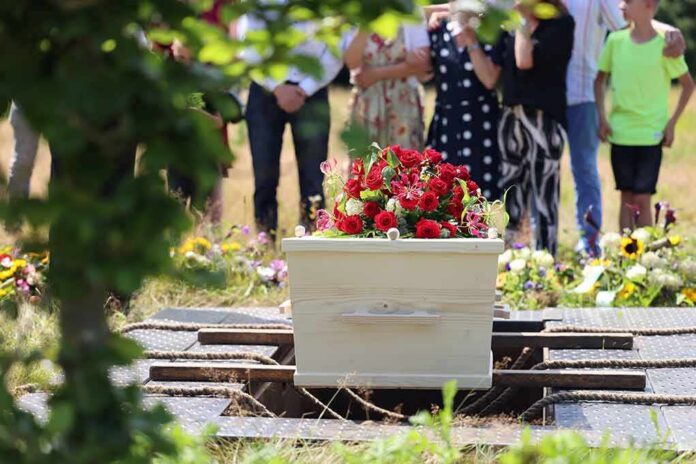
Reports from regional outlets say mourners in El Jocote, Sacapulas, gathered on October 10, 2026, for the wake of 15-year-old Yuleidy Ixcotoyac. During the wake, relatives saw movement in the coffin and said the girl opened her eyes. Video shared by local and regional media appears to show people crowding the coffin and helping the teen sit up before offering water. A separate report describes the same scene and identifies the teen and town by name.
Another outlet summarizes that she was “presumed dead,” which is key to the facts. The available accounts do not show that a doctor confirmed death before the wake. Instead, the father reportedly believed she had died earlier that day after failing to find a pulse or breathing while he transported her. The reports do not include medical records, times of checks, or any confirmed cause for her collapse. That missing record limits firm medical conclusions.
What Authorities In Guatemala Have Said
Guatemala’s Procuraduría General de la Nación, which handles child protection, addressed the case soon after the video spread. The office said there was no medical certificate confirming the teen’s death and no sign that the family started the required registration of a death. The office told media it obtained a court order for full medical evaluations to check her condition and set protective steps. It also warned that holding a wake without medical confirmation could be negligent.
Those statements support a narrower, less sensational reading. The public record supports that the teen was alive at the wake and that a family member, not a doctor, first concluded she had died. The office’s statement does not say she was ever clinically dead. It stresses the lack of a death certificate and calls for medical exams. That is consistent with the “mistaken presumption of death” pattern, not a “back from the dead” case proven by medical files.
How A Presumed Death Can Happen
Emergency medicine guidance explains that people can have very weak signs that are easy to miss. Rescuers can fail to feel a low pulse or can misread small chest movement. That is why experts say you should declare death only when it is clear that circulation and breathing have irreversibly stopped. Otherwise, you continue care or get a medical check. These rules exist to prevent tragedies when stress and poor tools lead to errors in the field.
Media studies also show why stories like this travel so fast. Sensational videos keep people watching, and some outlets even face pay pressure to post eye-catching claims. That can blur key facts, like whether a doctor ever confirmed death or whether the event was instead a case of apparent death. The Guatemala case shows how a striking clip can outrun careful context, leaving both families and readers with more questions than answers.
Why This Matters For Public Trust
People across the political spectrum worry that systems fail when basic checks are skipped. This case touches those nerves. Families need clear rules for emergencies. Communities need access to trained care and proper paperwork. When a teen is almost buried without a doctor’s review, trust in institutions falls. The question is simple and urgent: do authorities and media put truth and safety first, or speed and clicks? This story tests that line in real life.
What We Still Do Not Know
The public record does not include a medical diagnosis explaining the initial collapse or the later movement. Reports also do not list precise times for the collapse, transport, start of the wake, or discovery in the coffin. There is no released hospital chart, test result, or official timeline. Until health authorities release findings from the ordered exams, the strongest supported claim is that the teen was mistakenly presumed dead and later found alive.
Sources:
zerohedge.com, pulse.ng, ibtimes.co.uk, mustsharenews.com, newsable.asianetnews.com, newsbreak.com, yahoo.com