
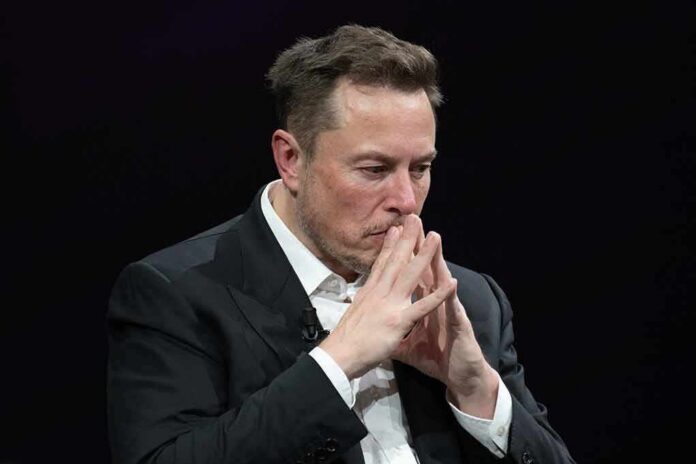
Elon Musk rejected “far right” labels in a tense Economist interview and said he supports “normal people,” challenging media gatekeepers head-on.
Story Highlights
- Musk said “I don’t support the far right” and called media labels “false and misleading”.
- Reporters and watchdogs cite his promotion of nationalist figures and posts to argue the opposite.
- The clash reflects a broader fight over who defines “far right” and by what test.
- The stakes touch speech, elections, and how elites police mainstream opinion online.
Musk Denies “Far Right” Label During Economist Interview
The Economist aired a combative exchange where Elon Musk pushed back on claims that he backs the far right. Musk said, “I don’t support the far right,” and, “I support the normal people,” while calling the label “false and misleading.” He argued his views were common a decade ago and are now smeared by elite media. The interview centered on Europe, immigration, and unrest, and featured sharp follow-ups from the host on his posts and alignments.
Media outlets and activists counter that Musk’s words do not match his actions. Reports document his repeated boosts of nationalist parties and figures in Europe and beyond using his platform, X. They point to live streams, endorsements, and high-volume posting that echo themes on borders, crime, and national identity. One analysis described his activity as promoting nationalism across several countries, which critics say moves debate rightward at scale.
Why The Definition Fight Matters For Speech And Politics
The tug-of-war turns on how people define “far right.” Musk frames himself as a centrist who defends common sense and free speech. Journalists and watchdogs judge by effects, not labels. They track who gets amplified, which topics trend, and how that shifts public talk. A congressional staff report earlier in his tenure on Twitter claimed he reactivated and engaged with many hard-right accounts, reflecting this “effects” test rather than self-description.
That clash has real stakes for speech and elections. Musk runs a global megaphone. When he highlights a candidate or a cause, it can change reach and shape headlines. Supporters say this breaks the old media choke point and lets voters hear unfiltered views. Critics say it blurs lines with organized political advocacy and normalizes fringe rhetoric. Both sides agree his choices move the window of what people see and discuss online.
What Musk Says Is “Normal” Versus What Gatekeepers Police
Musk argues many of his views were standard not long ago, such as stricter borders, pushback on identity politics, and blunt speech norms. He claims media elites now brand these as “far right” to shame dissent and to silence parents, workers, and taxpayers. He says he stands with those “normal people,” not with extremists. The Economist host pressed him on specific posts and events, which he framed as honest debate, not radicalism.
Elon Musk on Europe, the far right and civil war in Britain | The Economisthttps://t.co/qDzfGVDg8a
— Vincent Maverik (@MaverikVincent) July 24, 2026
Reporters and policy groups respond that “normal” is not the right yardstick. They say the real test is repeated alignment with actors and stories that track to nationalist or nativist movements. Coverage cites his platform’s role in boosting those networks and messages in Europe and the United States. Whether one calls that “far right” or “populist,” the effect is clear: his feed can supercharge campaigns that legacy outlets often sideline or attack as beyond the pale.
Bottom Line For Readers Who Value Free Speech And Fair Labels
Here is the core fact set. Musk denies he is “far right” and says he backs mainstream views many families share. He also plainly uses X to lift up politicians and causes that establishment media tag as far right. The dispute is less about a single post, and more about who decides the label and why. For Americans who want open debate, the risk is letting gatekeepers freeze out tough talk on borders, crime, and costs by slapping on a stigma.
Sources:
thegatewaypundit.com, aljazeera.com, aa.com.tr