
A fragile US-brokered ceasefire in Lebanon is now the hinge on which both Middle East peace talks with Iran and global energy stability swing.
Story Snapshot
- The United States, Qatar, and Iran helped broker a Lebanon ceasefire tied to a wider US-Iran deal.
- Disputes over Israeli strikes and troops in Lebanon are already shaking that truce and the Iran talks.
- The agreement reopens the Strait of Hormuz but leaves key questions about Hezbollah and Israeli security.
- Media critics, foreign officials, and some US Republicans warn the ceasefire is fragile and easily abused.
Trump’s Team Brokers Ceasefire Under Fire From All Sides
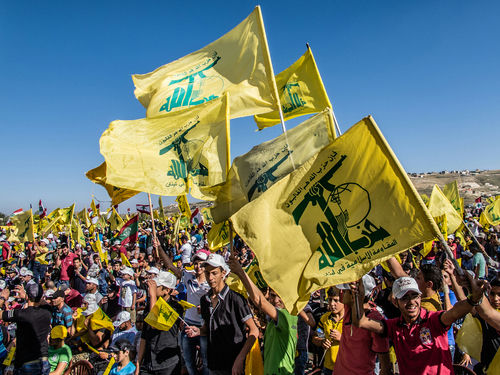
President Donald Trump’s administration helped secure what officials describe as a conditional ceasefire between Israel and Hezbollah in Lebanon, backed by the United States, Qatar, and Iran, and set to begin at a fixed local hour.[10] Three diplomats told US media that the truce was designed to cool Lebanon so that American and Iranian negotiators could move forward on a broader deal. The ceasefire sits inside a larger understanding with Iran that aims to wind down the current war, not just pause it.[2]
The centerpiece of that larger deal is a memorandum of understanding between Washington and Tehran that Iran’s foreign minister says was digitally signed on June 17, 2026.[23] According to his account, the document requires “an end to the war on all fronts,” and he stressed that Lebanon is explicitly included.[23] That claim matters because it means any renewed strikes in Lebanon, from Israel or its allies, could be framed by Iran as a direct breach of a written US commitment and not just a political disagreement.
Hormuz Reopens, But Lebanon Becomes the Pressure Point
Under the interim deal, Iran agreed to reopen the Strait of Hormuz, the narrow sea lane that carries a huge share of the world’s oil, in return for a halt in American and Israeli attacks and a pathway to sanctions relief.[23] US briefings and international coverage say the ceasefire package includes lifting the American naval blockade on Iran once the truce takes hold, a concession meant to ease energy prices and calm global markets.[7] That move lines up with what many in our audience have long argued: energy security requires stability, not endless wars driven by globalist games.
Pakistan’s prime minister, a key mediator, claimed publicly that the agreement meant an “immediate ceasefire everywhere including Lebanon,” and that all parties had signed on to that scope.[1] Iran echoed that view, insisting that Lebanon is part of the ceasefire and pressing Washington to restrain Israel accordingly.[1] But senior US officials have told reporters that Lebanon remains a “separate skirmish” and that the main ceasefire is about stopping US-Iran direct fighting, not Israeli operations against Hezbollah.[1] This split in interpretation is now the heart of the problem.
Israeli Strikes and Troop Presence Test the Deal’s Limits
Israeli leaders have made clear they will not pull back just because Washington and Tehran want calm.[12] Israeli officials told foreign and US outlets that they will keep a “forward defensive presence” or “security zone” inside Lebanon as long as Hezbollah remains a threat, and that the ceasefire does not bind Israel there.[12] Analysts describe this stance as a major obstacle that could let Israel keep operating in Lebanon while America tells Iran the conflict is winding down, creating a gap that can be exploited by all sides.[14]
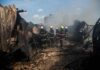
Reports from international media say Israeli airstrikes on Lebanon have continued even after ceasefire announcements, with deadly attacks on Beirut and its suburbs and hundreds of deaths in recent weeks.[7] One analysis calls the Lebanon element of the US-Iran ceasefire a key fault line, warning that repeated strikes there “have failed to halt the conflict” even while officials say a truce is in place. For conservatives watching from home, the pattern feels familiar: diplomatic paperwork and rosy press conferences on one side, real explosions and chaos on the other.
Iran Suspends Talks and Blames Washington for Israeli Actions
As fighting in Lebanon continued, Iran suspended talks with the United States and stopped the back-and-forth messaging through mediators.[9] Iranian officials and state media said Israeli attacks in Lebanon and Gaza threatened or violated the ceasefire, and they publicly warned that the United States would be held accountable if it failed to rein in its ally.[13] This use of Lebanon as leverage shows how regional enemies can exploit any daylight between Washington and Jerusalem, especially when deal terms are secret or unclear.[1]
US-Iran war : After Lebanon ceasefire, Trump envoy Witkoff heads to Switzerland for Iran talks
Track LIVE updates 👇https://t.co/WH18VbX9UT
— Hindustan Times (@htTweets) June 20, 2026
Several outlets note that the full text of the US-Iran memorandum has not been released, and that its exact legal language on Lebanon is still unknown to the public.[12] Experts describe the resulting deal as a “fragile pause” or an “armed intermission” rather than real peace, and they highlight disputed clauses over Lebanon and maritime access as the main points of strain.[22] That opacity should concern Americans who remember how secret side letters and backroom nuclear talks under past administrations eroded trust and bypassed Congress.
What This Means for US Conservatives at Home
For American conservatives, this ceasefire fight in Lebanon raises core questions about who really controls US foreign policy and who pays the price. International economists warn that if the deal collapses, Iran could again close or threaten the Strait of Hormuz, sending fuel prices soaring and hitting American families already squeezed by years of inflation and energy shocks.[5] At the same time, some Republicans in Congress oppose the deal structure, saying it risks rewarding Tehran without firm guarantees that it will stop backing Hezbollah and other proxy groups.[24]
Commentary from policy institutes and think tanks also warns that tying troop movements and airstrikes to a short, conditional ceasefire makes US strategy look reactive instead of rooted in clear American interests.[22] Many experts argue the current framework is “transactional and conditional,” not a durable settlement, and that it depends heavily on constant mediation from countries like Pakistan and Qatar.[22] For citizens worried about endless foreign entanglements and globalist bargaining, this looks like yet another example of a fragile deal that could drag the United States deeper into someone else’s war if it unravels.
Sources:
[1] Web – US Brokers Lebanon Ceasefire After Escalation Derails Peace Talks with …
[2] Web – Iran says the initial US war deal requires Israel to withdraw from …
[5] YouTube – Israel and Hezbollah agree to a ceasefire as deadly fighting …
[7] YouTube – US-Iran talks in Switzerland stall as Lebanon escalation …
[9] Web – US-Iran deal leaves the future of Lebanon uncertain
[10] Web – Tehran suspends talks with U.S. over Israeli attacks in Lebanon …
[12] YouTube – Iran accuses U.S. of ‘gross violation’ of the ceasefire
[13] Web – Fragile quiet in Lebanon as US-Iran truce leaves unanswered … – BBC
[14] Web – Iran warns Israeli attacks in Lebanon and Gaza threaten … – Al …
[22] Web – Iran War 2.0 Averted? US Mediates Ceasefire Between Israel and …
[23] Web – Ceasefire Emerges in the US-Israel Conflict with Iran: Experts React
[24] Web – The Art of the Ceasefire | The New Yorker