

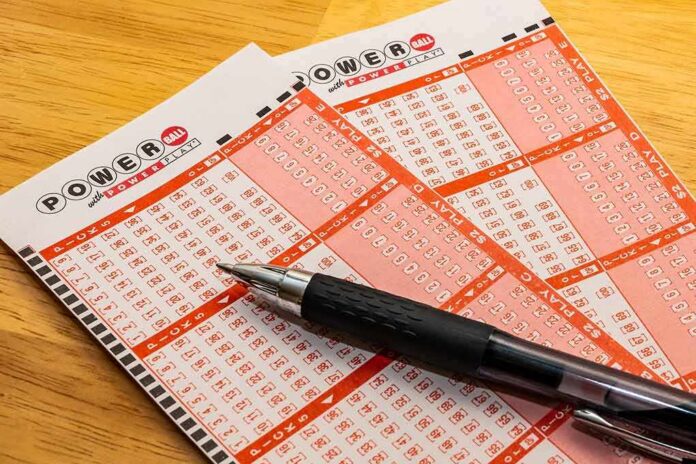
A single Illinois ticket hit the $1.04 billion Powerball jackpot, turning a Quincy gas station sale into a headline-grabbing win backed by official lottery results.
Story Highlights
- Illinois ticket matched all six numbers to win a $1.04 billion jackpot.
- Winning numbers were 4, 26, 66, 67, 69, and Powerball 9.
- Lump-sum cash option reported at $450.5 million before taxes.
- Ticket sold at a Hy-Vee Fast & Fresh in Quincy, Illinois, per reports.
Official Results Confirm a Billion-Dollar Win
Illinois Lottery pages and major outlets report that Wednesday’s Powerball drawing produced a sole winner in Illinois. Reports attribute the confirmation to the lottery’s official results, which track the game’s outcomes and winning numbers. The top prize is listed as an estimated $1.04 billion, which reflects the annuity value commonly announced after large drawings. This draw ended a long run of rollovers that had pushed the jackpot into 10-figure territory, drawing intense interest nationwide.
Newsrooms across the country echoed the same core facts. They reported that one Illinois ticket matched all six numbers to win the jackpot, with the cash option pegged at about $450.5 million before federal and state taxes. Consistent reports help confirm the essential details: one ticket, one massive prize, and a clear set of winning numbers. This alignment suggests a routine, verified outcome, even as the public awaits any claim update from the lottery.
Where the Winning Ticket Was Sold
Coverage identifies the retailer as a Hy-Vee Fast & Fresh gas station on North 36th Street in Quincy, Illinois. Outlets attribute the store location to information from the Illinois Lottery and related reporting. The sale location matters for accountability. Retailers earn bonuses for selling winning tickets, and the named store gives the public a visible anchor for the story. That helps curb rumors that often follow billion-dollar wins.
Illinois law lets winners of prizes over $250,000 remain anonymous when claiming. That means the public may not learn the winner’s name, even after the claim is processed. Reporters note this privacy rule to explain why no identity has been released yet. Anonymity shields the winner from scams and pressure, but it also reduces public visibility into who holds the ticket, which can fuel online speculation after record jackpots.
What the Numbers Mean for Payouts and Taxes
The jackpot’s headline value reflects an annuity paid over many years. The lump-sum cash option, which many winners choose, is reported at about $450.5 million before taxes. Federal taxes apply to lottery income, and state taxes may also apply, depending on residence and claiming method. Advisors often urge winners to secure a lawyer and financial planner first. That step can prevent costly mistakes and protect long-term security for families and charitable goals.
Powerball Winner: $1.04 Billion Jackpot Won in Illinoishttps://t.co/Drz9nrKteE pic.twitter.com/bAN5tovLEe
— Mike Thomas (@MikeThomas93002) August 13, 2026
Players who tried their luck can verify results using official number checkers provided by the Illinois Lottery. These tools let people confirm whether their tickets match the drawing. The winning numbers for this draw were 4, 26, 66, 67, 69, and the Powerball 9, a sequence repeated consistently across reports and official listings. Clear, matching records reduce confusion and help honest players confirm outcomes without relying on rumors or social media claims.
Why Verification Still Matters
Large jackpots attract fake stories and copycat claims online. In this case, there is no credible counter-claim disputing the drawing, the numbers, or the Illinois sale location. The public record rests on official lottery postings and multiple national reports repeating the same facts. While Illinois allows anonymity, the state still must validate the ticket, confirm the claim, and process payment under established rules. That process provides accountability inside the system.
How This Fits a Wider Pattern
Lottery jackpots are usually confirmed through official postings and then echoed by major outlets. The draw is administered and audited by lottery authorities, not outside groups. That structure is normal and has delivered reliable results over time. Here, the aligned reporting and the consistent numbers reflect that pattern. Until the claim is processed, the key public facts are the winning numbers, the jackpot amounts, and the confirmed Illinois sale location.
What Comes Next for Players and Taxpayers
The winner faces a choice between the annuity and the cash option, along with tax planning and security concerns. The retailer should receive a bonus for selling the jackpot ticket, which can boost local business. For everyone else, this win is a reminder to play responsibly and to trust verifiable sources. Official lottery tools and named outlets are the best way to confirm results, not viral posts. That protects families from scams and keeps the system fair.
Sources:
facebook.com, illinoislottery.com, lotteryusa.com, audacy.com, northjersey.com, nbcnews.com