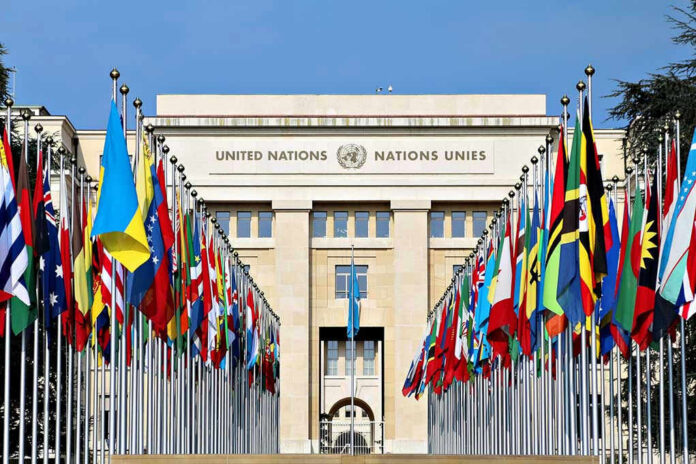
The United Nations just handed Iran a seat with 144 votes on a key program committee that helps shape the organization’s priorities, despite loud warnings from allied democracies and U.S. lawmakers.
Story Highlights
- Iran won 144 votes in a secret-ballot General Assembly election for a UN program committee seat.
- The committee reviews United Nations programs and recommends priorities for the next three years.
- Canada and Australia publicly opposed Iran’s bid and disclosed their “no” votes.
- House Republicans blasted the move as proof the United Nations is “morally bankrupt.”
What The United Nations Voted On And Why It Matters
The General Assembly elected Iran to the 34-member Committee for Programme and Coordination for a three-year term starting on January 1, 2027, after the Economic and Social Council sent the nomination forward earlier this year. The Jerusalem Post reported Iran received 144 votes in a secret ballot, though the United Nations did not publish a country-by-country tally. The committee reviews the Secretary-General’s programs and recommends priorities that guide work areas across the system, including disarmament and human rights, according to multiple reports.
The election followed the United Nations process: first a nomination stage, then a General Assembly vote for a set number of regional seats. Reports say the committee is administrative and programmatic, not a court. Still, it influences where the United Nations puts time and money. The ballot was secret, so most countries’ choices remain hidden. That secrecy fuels anger because voters who backed Iran do not have to own the decision in public, even as allied governments speak out against it.
Backlash From Allies And U.S. Lawmakers
Canada’s Foreign Minister Anita Anand said her government voted against Iran and called the regime a threat that silences dissent and fuels instability in the Middle East. She urged that members of the committee should uphold the United Nations Charter. Australian Foreign Minister Penny Wong also said Australia voted no, citing Iran’s human-rights abuses and destabilizing conduct, according to reporting from Fox News. These on-the-record objections show clear allied pushback and elevate the stakes in public view.
Republicans on the U.S. House Foreign Affairs Committee slammed the vote. They called Iran the world’s biggest exporter of terrorism and said re-electing it to a body tied to setting priorities on disarmament, counterterrorism, and women’s rights shows the United Nations is “morally bankrupt.” Their statement reflects a long-running conservative concern: global bodies reward bad actors while scolding free nations. The charge lands harder because the ballot was secret and the number of abstentions or invalid ballots is unknown.
What This Committee Does And What It Does Not Do
The committee is described as reviewing and coordinating United Nations programs and advising on priorities. It does not run court-like hearings or impose sanctions. Yet the agenda it endorses can shape which issues get staff time, funding focus, and attention at the top. Iran’s seat does not certify its rights record as “acceptable,” but it does give Tehran a platform within a planning body that touches sensitive areas such as human rights and disarmament, as described by several outlets.
The hypocrosy!!!
The UK elected Iran to the UN Committee for Programme and Coordination.
You do know that the Iranian government hangs, tortures and uses systemic abuse against women and political dissidents!
You should hang your heads in shame!— DeniseW (@DeniceWorth) November 13, 2026
Critics argue this is the pattern: the United Nations uses rules for regional balance and internal elections, and states with poor records still win seats. Supporters of the process say elections are about procedure, not approval. But to many Americans, that sounds like word games. When a regime under sanctions and accused of backing terror gains influence over programming, common sense says the system is off track. That is why calls for transparency in the vote are growing louder.
What Conservatives Should Watch Next
Watch whether more governments disclose their votes and explain why they backed or opposed Iran. Look for the committee’s work plan once Iran takes its seat in 2027, and whether it tries to steer resources away from real accountability. Track U.S. lawmakers’ proposals to condition funding or demand transparency in United Nations elections. Expect continued pressure from watchdog groups urging member states to reveal how they voted and to defend their choices in public.
What The Numbers Leave Out
The 144 votes show strong support on paper, but reports do not list total ballots cast, abstentions, or invalid votes. There is no publicly posted roll-call to show who said yes. Reports also do not lay out whether Iran faced a contested race or a regional slate deal, which can shape outcomes. Those gaps limit how we judge the margin and the process, even as the result is official. That is why U.S. readers should treat the number as real, but demand more daylight on how it happened.
Bottom Line For American Readers
The United Nations followed its election process and seated Iran on a committee that helps steer program priorities. The outcome drew sharp objections from allies and from U.S. lawmakers who say a regime tied to terror should not help set any United Nations priorities. Both facts are true. The process is real, and the outrage is real. For Americans who value strong borders, free speech, and secure families, this vote is one more sign that global bodies too often reward the wrong actors and hide the votes that make it possible.
Sources:
facebook.com, en.imam-khomeini.ir, noticias.foxnews.com, iranwire.com, openparliament.ca, iranintl.com, mandates.un.org