
A Pentagon estimate and congressional records show the Iran confrontation has cost tens of billions and driven up energy prices while the mission’s endgame remains unclear.
Story Highlights
- Defense and congressional records cite war costs topping $47 billion and claims of $1 billion per day.
- Congressional records tie price spikes to Strait of Hormuz turmoil and higher gas costs for families.
- Congressional entries say strikes began without consultation or a clear, stated strategic finish line.
- Secretary of State Marco Rubio says sanctions and pressure are working against Iran’s financing and proxies.
Mounting Costs And Debt Burden On Taxpayers
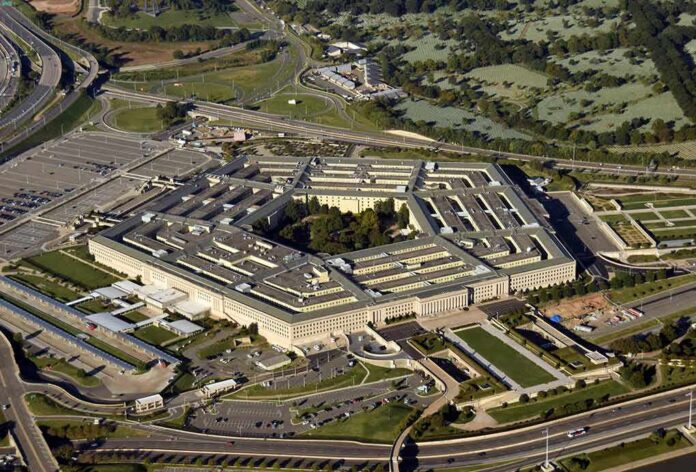
USA Today reported that a Pentagon estimate put the war’s cost above $47 billion as of October 16, 2026, underscoring the scale of spending tied to operations and escorts across the region. The Congressional Record includes claims from lawmakers that taxpayers were paying about $1 billion each day and that the conflict had added more than $100 billion to the national debt, though those specific figures are legislative assertions without a released audit trail. Those numbers, even as claims, speak directly to voter concerns about overspending and inflation.
Secretary of State Marco Rubio has argued that the pressure campaign is limiting Tehran’s ability to fund regional proxies, signaling that economic leverage is working and may reduce the need for new large-scale strikes. That view presents a competing narrative to the raw cost tallies. But the Pentagon’s multibillion-dollar figure and the debt claims in the congressional record keep the price tag front and center for families who have watched Washington spend far too much for far too long.
Strait Of Hormuz Turmoil And Energy Shock At Home
Congressional and research records describe major disruption near the Strait of Hormuz, a vital chokepoint for world energy, after Iranian attacks on shipping and cross-Strait traffic drops. Lawmakers warned that about one-fifth of the world’s oil moves through the Strait, which means any blockage hits pump prices and family budgets fast. Senate remarks said gasoline jumped more than 20 percent in March and drove most of that month’s inflation, tightening the squeeze on working households already hit by higher bills.
House records also cited billions in added consumer costs tied to the spring run-up, capturing how shipping risk and insurance ripple straight into fuel and food. The evidence shows strong timing links between Hormuz turmoil and price spikes. At the same time, it does not isolate every cause of inflation or prove the Iran policy alone drove all increases, a limit worth noting even as everyday Americans felt the hit at the pump and the grocery store.
Legal Process, Strategy Clarity, And The Blockade Debate
Congressional entries say President Trump ordered strikes on February 28, 2026, without consulting Congress or most long-time allies, and without an authorization for use of military force in place at that time. The same record says the administration did not clearly state the imminent homeland threat on that date, leaving some lawmakers pushing for a sharper statement of goals and end conditions. That tension revives a classic constitutional debate about war powers and the transparency voters expect before long or costly actions.
Rubio earlier told the Senate that “a blockade is an act of war,” a standard many conservatives recognize from history and law; later reports described continued naval pressure and escorts to keep commerce moving through the Strait. Reuters also reported Rubio telling Group of Seven ministers that the United States would keep imposing “devastating” economic costs on Iran, stressing pressure over new large-scale strikes. That approach aims to protect American forces and trade lanes, yet it still requires clear legal footing and a defined strategic end to avoid drift.
Competing Narratives: Costs Versus Claimed Gains
Supporters of the pressure track say the campaign is working. Reuters reported diplomats quoting Rubio that sanctions are limiting funds for Iran’s proxies and regional operations, a core U.S. aim since early in the crisis. USA Today reported that administration messaging also frames actions as defensive, which can shift focus to protecting ships and service members rather than the total bill. Those claims directly contest the idea that dollars spent are not buying results, though independent measures of lasting strategic change remain limited in the public record.
Iran’s inflation is running at roughly 71–77% annually (Central Bank and Statistical Center figures for recent months), with year-on-year rates near 84–89% and some categories like food even higher. Rural areas are worse. Ordinary Iranians are cutting food, delaying medical care,… https://t.co/ayPFg3I6Z3
— kuldip suri (@kuldipsurisView) November 13, 2026
For conservative readers, two tests now matter. First, does the plan protect U.S. security and commerce without endless cost or mission creep? Second, does the White House explain the constitutional, legal, and fiscal basis for continued operations with precision and candor? Congress can demand full Pentagon cost accounting and a detailed legal rationale. Voters can then judge whether the strategy achieves deterrence at an acceptable price to families already straining under higher energy and food costs.
Sources:
congress.gov, reuters.com, usatoday.com, govinfo.gov