Pennsylvania rushed out free measles shots and pop-up clinics as cases climbed to the largest U.S. outbreak in decades, with more than 53,000 measles-mumps-rubella doses given in September alone.
Story Highlights
- State delivered more than 53,000 measles-mumps-rubella doses in September, over double a normal month
- Health workers ran 189 pop-up clinics and gave more than 5,600 doses since late April
- Children on Medicaid, uninsured, or underinsured can get free shots at 59 state health centers
- Outbreak reached about 1,004 cases with five deaths and nearly 200 hospitalizations statewide
Statewide Vaccination Surge During Ongoing Outbreak
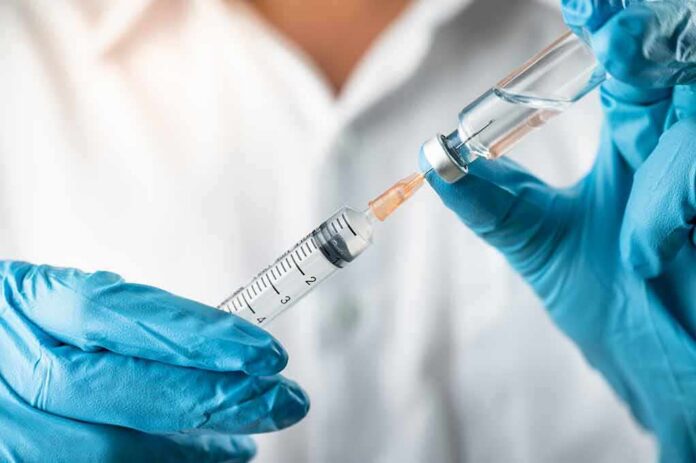
Pennsylvania health officials reported a sharp rise in measles-mumps-rubella vaccinations during the outbreak. In September, providers statewide administered more than 53,000 doses, which was more than double a typical month’s total. Officials tied the increase to expanded access and outreach across affected communities. The surge aimed to raise protection and cut spread as fall brought school, sports, and more indoor events. Health leaders continued to post new case updates while pressing families to get current on routine shots.
The Department of Health said the response included pop-up clinics set up where people live, work, and gather. Since late April, state health-center staff held 189 pop-up clinics and administered more than 5,600 measles-mumps-rubella doses. The state described a growing effort over time: press updates in August and September showed clinic counts and doses rising as teams added dates and locations to meet demand. Officials encouraged parents to check shot records and finish the two-dose series for lasting protection.
Multiple Access Points and Free Options for Families
The Department outlined several ways to get vaccinated, including pediatric and primary-care offices, local health departments, rural health centers, pharmacies, federally qualified health centers, and the Vaccines for Children program. The state also operates 59 health centers that serve all residents. Children 18 and under who are on Medicaid, uninsured, or underinsured can get measles-mumps-rubella shots at no cost at those state centers. These channels were designed to keep costs and travel from blocking care for high-risk families.
Counties also used mobile and temporary sites to reduce transportation barriers. Reporting on Delaware County’s Wellness on Wheels unit described free vaccines for children and adults who faced cost hurdles and placed services closer to neighborhoods. Local teams scheduled back-to-school events and weekend hours to reach working parents. State officials said they shared clinical guidance and fact sheets with school nurses and doctors to help answer questions and speed up routine catch-up visits during the outbreak period.
Case Counts, Deaths, and What the Data Does—and Does Not—Show
By early October, coverage described about 1,004 cases statewide, with five deaths and nearly 200 hospitalizations in the ongoing outbreak. Officials continued to report new cases while expanding clinics and outreach. The Department’s updates provided clear counts of doses and clinics. The available material did not include a formal analysis proving that the vaccination surge directly caused transmission to slow, and it did not break down which communities saw the biggest gains in protection.
Members of the Amish community have cast doubt on the Pennsylvania government's response to the measles outbreak, with some comparing it to the COVID response. https://t.co/3X3BhEax1A pic.twitter.com/7SVIdgw9oM
— CBS 21 News (@CBS21NEWS) October 17, 2026
The outbreak concentrated in certain counties, including Lancaster and Chester, while the state used statewide dose totals to describe progress. That means local risks could stay higher than the average. Health leaders stressed the basics: check records, get both doses, and limit exposure if sick. For parents who value choice and clear rules, these steps fit a limited-government approach: inform, offer access, and let families act—without heavy-handed mandates—while protecting schools and vulnerable neighbors.