
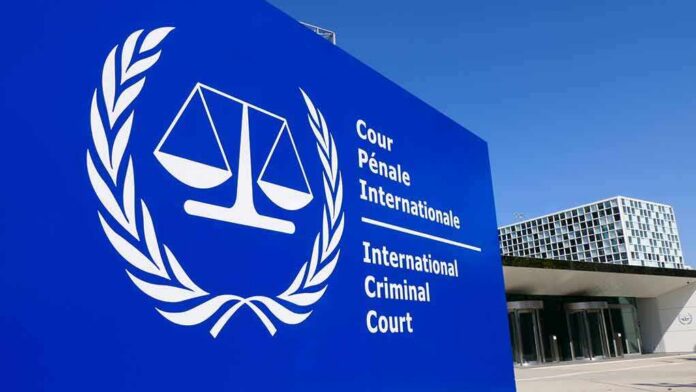
Washington just sanctioned the International Criminal Court’s top judge and its prosecutor, drawing a firm line that no foreign court will target American officials or our closest ally, Israel.
Story Highlights
- The Treasury Department listed ICC President Tomoko Akane for U.S. sanctions.
- Sanctions flow from President Trump’s Executive Order 14203 issued in 2025.
- Earlier rounds already hit multiple ICC judges and the prosecutor over Israel cases.
- United Nations experts and activists condemned the move as undermining the court.
What Triggered The New Sanctions
The United States added International Criminal Court President Tomoko Akane to its sanctions list on August 18, citing ongoing actions by the court that threaten U.S. interests and target Israel. The designation follows a multi-stage campaign begun in 2025 after the White House authorized sanctions on court officials linked to cases against Americans and Israelis. The latest step signals that Washington will continue to defend its people and partners from claims brought by a court the U.S. never joined.
President Trump’s February 6, 2025 executive order “Imposing Sanctions on the International Criminal Court” authorized penalties like blocking property and suspending entry for ICC officials and agents who harm U.S. interests. That order set the legal base for targeted actions that have since expanded to judges and prosecutors. Reuters reported that prior tranches already sanctioned several ICC officials, including the chief prosecutor, in disputes tied to investigations involving Israel.
A Pattern Of Escalation And Pushback
The administration first moved on judges in June 2025, sanctioning four ICC jurists, and later added two more that December over Israel-related proceedings. By late 2025, the court’s leadership said sanctions would not change its handling of cases, even as Washington weighed broader steps against the institution. The steady pace shows a strategy: use financial and travel pressure to deter what U.S. officials view as political overreach onto American sovereignty and allied self-defense.
Critics, including United Nations human rights experts, claim the measures undercut judicial independence and justice for victims worldwide. Human rights groups have now sued the administration, arguing the policy is unlawful and chills advocacy around Palestine-related cases. Those objections are not new. They reflect a long-running split: many activists want a global court to reach across borders, while American conservatives insist that unelected foreign judges cannot claim power over U.S. troops, officers, or elected leaders.
Why Sovereignty And Security Come First
The United States and Israel are not members of the Rome Statute, which created the International Criminal Court. The White House has said the court’s attempts to assert power over non-members have “transgressions” that demand consequences, including visa bans and asset blocks, to protect national interests. Supporters of sanctions argue this is simple common sense: Americans answer to American law, not a foreign bench in The Hague trying to second-guess battlefield decisions or national defense policies.
US Sanctions Top International Criminal Court Officials
The United States sanctioned two top leaders of the International Criminal Court. This happened on Tuesday.
The officials are ICC President Tomoko Akane from Japan. The other is senior lawyer Abdoulaye Seye from Senegal.… pic.twitter.com/EuTHMIWEmS
— KlearNewsDaily (@KlearNewsDaily) August 19, 2026
State Department communications in 2026 described a wider toolkit to isolate the court, including travel bans, visa revocations, and diplomatic pressure on states that back its reach. That approach pairs legal authority under the executive order with real-world leverage. It aims to prevent a drip-drip of politicized cases that could tie up U.S. personnel, chill allied cooperation, and hand propaganda wins to terror groups or hostile regimes. The message is clear: America sets its own red lines and stands by its allies.
What To Watch Next
Further designations remain possible if the court continues to pursue Americans or Israelis. The court’s leaders have vowed to press on, but sanctions can bite: blocked banking channels, frozen assets, and limited travel make it harder to coordinate complex cases and fundraising. Lawsuits at home will work through the courts, yet the policy rests on a signed executive order and prior enforcement steps that agencies have already carried out. Expect continued debate abroad, but steady resolve in Washington.
Sources:
reddit.com, reuters.com, bbc.com, hrw.org, news.un.org