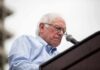


Peggy Flanagan’s win in Minnesota gives the Democratic Party another loud victory for its progressive wing, and it sets up a general-election fight for an open United States Senate seat.
Quick Take
- Lt. Gov. Peggy Flanagan won the Minnesota Democratic Senate primary, according to race calls and live returns.
- Flanagan beat Rep. Angie Craig, a more centrist Democrat, in a closely watched contest.
- The seat opened after Sen. Tina Smith chose not to seek reelection.
- Flanagan will face Republican nominee Michele Tafoya in November.
Flanagan Takes the Democratic Nomination
Minnesota Democrats picked Lt. Gov. Peggy Flanagan as their nominee for the open United States Senate seat on Tuesday. National and local outlets reported the result after the Associated Press called the race, and live vote totals showed Flanagan ahead of Angie Craig. The race turned into a sharp contest between the party’s progressive and more centrist wings, with both candidates fighting for the right to replace retiring Sen. Tina Smith.
Flanagan’s campaign now moves into the general election against Republican nominee Michele Tafoya. Reuters reported that Flanagan will face Tafoya in November for the seat left open by Smith’s retirement. That makes the Minnesota race one of the clearest tests this year of how far left Democratic primary voters are willing to go when the general election field is set.
A Clean Win, Even Before Certification
Unofficial results from the Minnesota Secretary of State showed a wide statewide primary field and Flanagan in front once the votes were counted. The New York Times’ live tracker listed Flanagan with 50,099 votes, or 51.9 percent, compared with Craig’s 42,685 votes, or 44.2 percent. That margin was enough for major outlets to move from projection to winner language while the formal canvass process still remained ahead.
This is how election night often works in modern American politics. Race calls, live vote pages, and unofficial state returns often appear within hours of polls closing, while final certification comes later. In practical terms, that means the public sees a winner long before the paperwork is finished. In this case, though, the core outcome was not in doubt: Flanagan had the lead, the calls followed, and Democrats settled on their nominee.
Why the Primary Mattered
The Minnesota contest mattered because it showed a clear choice inside the Democratic Party. NPR described Flanagan as the progressive candidate who defeated a centrist opponent, while Reuters also framed her as a progressive nominee heading into November. For readers tired of the Democratic Party’s shift toward government-heavy politics, the result is another sign that the activist lane still has real power in blue-state primaries.
Michele Tafoya is the Republican nominee for the open U.S. Senate seat in Minnesota won the Republican primary on August 11, 2026. She will face Democratic nominee Lt. Gov. Peggy Flanagan in the November 3, 2026, general election.
I pray MN isn't so radically infested that a…
— Dee (@StateofUnrestUS) August 12, 2026
The race also came after months of party maneuvering. Reuters reported that Flanagan was running for the seat held by Smith, and Politico noted Smith’s endorsement of Flanagan over Craig early in the cycle. That backing mattered because endorsements still shape Democratic primary politics, especially in a state where party leaders, activists, and union-backed networks can influence turnout and message discipline.
A General Election Fight Now Begins
Flanagan’s victory does not end the contest for Minnesota’s Senate seat. It only shifts the battle to November, where she will face Tafoya in a state that usually leans Democratic but still rewards candidates who can speak to independents. Reuters and other outlets identified Tafoya as the Republican nominee, setting up a race that will test whether Flanagan’s progressive pitch can hold up outside the primary electorate.
For conservatives, the bigger lesson is simple. Democrats continue rewarding candidates who run on a more aggressive left-wing message, even in a competitive statewide race. The Minnesota primary showed that the party’s activist base still has influence, and it also showed how quickly a Senate seat can become a referendum on ideology, not just local issues. The next fight is whether Minnesota voters accept that direction in November.
Sources:
npr.org, nytimes.com, fox9.com, theguardian.com, people.com