
Lebanon’s latest spy arrests show how Hezbollah’s shadow war with Israel can spin into secret trials, shaky evidence, and growing danger for anyone who cares about real justice and stability in the Middle East.
Story Snapshot
- Lebanon says 32 people were arrested for giving Israel information to hit Hezbollah targets.
- One suspect, a singer close to Hezbollah, is accused of giving coordinates used in a deadly airstrike.
- Nine suspects have already faced a military court, with some sentenced to hard labor.
- Past Lebanese “spy” cases have collapsed, showing how claims can be political and hard to verify.
Lebanon’s New Spy Sweep Targets Alleged Hezbollah Informants
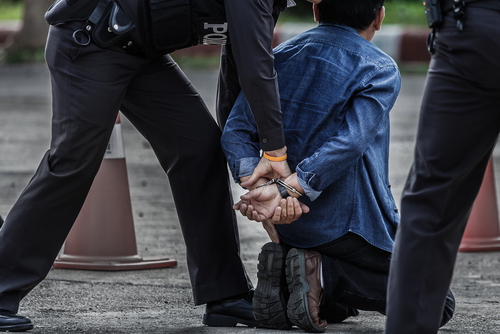
Lebanese judicial officials say that in recent months, 32 people were arrested on suspicion of helping Israel strike Hezbollah targets across the country. These officials, speaking to Agence France-Presse, claim some suspects passed locations, addresses, and names of Hezbollah members to Israeli intelligence services. They argue this information helped guide attacks on the Iran-backed group during and after recent fighting. Six of the suspects were reportedly detained before a ceasefire took hold, showing the crackdown started early in the conflict.
Of the 32 people held, officials say nine have already been tried in Lebanon’s military court system. According to these sources, at least two were convicted and sentenced to hard labor terms of eight and seven years. Judicial officials claim these men were found guilty of providing exact coordinates and other targeting data used in Israeli strikes. The other 23 people remain under investigation, with no public trial records yet. All of these details come from unnamed officials, not open court documents.
A Singer Close to Hezbollah and Claims of Deadly Coordinates
Among those arrested, one case stands out and has drawn regional attention. A second judicial official says a singer close to Hezbollah is accused of working with Israel’s Mossad spy agency in exchange for money. This man allegedly gave precise coordinates that led to an Israeli airstrike in April 2025, which killed a Hezbollah official and his son. The strike happened months after the ceasefire, suggesting ongoing covert action. So far, reports do not name the singer, and no confession document has been released to the public.
The story of the singer fits into a wider pattern in Lebanon, where people tied to telecoms or public life often end up accused of spying. Years earlier, Lebanon’s telecommunications minister said a technician at one of the country’s two main mobile networks had been arrested for allegedly spying for Israel for more than 15 years. The minister warned that such a worker could access very sensitive data, including call records and location details. For American readers, it is like a network engineer at a major cell company being accused of handing over customer data to a foreign power.
Military Courts, Secret Evidence, and Political Pressure
Lebanon relies on military courts for many espionage cases, and those courts operate with limited transparency. In these new arrests, almost all information comes from anonymous judicial officials speaking to the press, not from public indictments or trial transcripts. That secrecy makes it hard to know what evidence truly exists. Officials claim some suspects shared coordinates and personal details of Hezbollah figures, but they have not shown phone records, money transfers, or intercepted messages to back that up. For a constitution-minded audience used to due process, that raises red flags.
History shows why caution is wise. In 2017, Lebanese actor Ziyad Itani was arrested and accused of spying for Israel, and officials claimed he confessed. After deeper review, a military investigative judge threw out the charges, and the interior minister publicly said Itani was innocent. Itani later insisted, “I was never a spy for Israel,” describing how false claims and bad investigations ruined his life. That case proves that high-profile “spy” stories in Lebanon can collapse once evidence is tested, and that political or media pressure can lead to wrongful arrests.
Economic Crisis, Espionage Waves, and What It Means for America
Lebanon’s broader context matters. Reports say Lebanese security agencies have arrested **around 185 people** on suspicion of working with Israel since the country’s severe economic collapse three years ago. Of those, only about 25 have been convicted and sentenced, while many others are still in limbo. Analysts note that some desperate citizens may be tempted by cash from foreign services, but they also warn that economic and political chaos can fuel overreach, with authorities quick to label rivals as “spies” to look tough.
For American conservatives, these events highlight deeper concerns. Israel faces real threats from Hezbollah, a group backed by Iran and hostile to U.S. interests. At the same time, Lebanon’s use of secret military courts, unnamed officials, and harsh penalties without public proof clashes with the kind of transparent justice protected by the U.S. Constitution. Past wrongful spy cases, like Ziyad Itani’s, remind us that rights, open trials, and clear evidence are essential checks on government power—even in a high-stakes intelligence war.
Sources:
insiderpaper.com, barrons.com, bbc.com, arabnews.pk, facebook.com, youtube.com, aljazeera.com, nytimes.com