
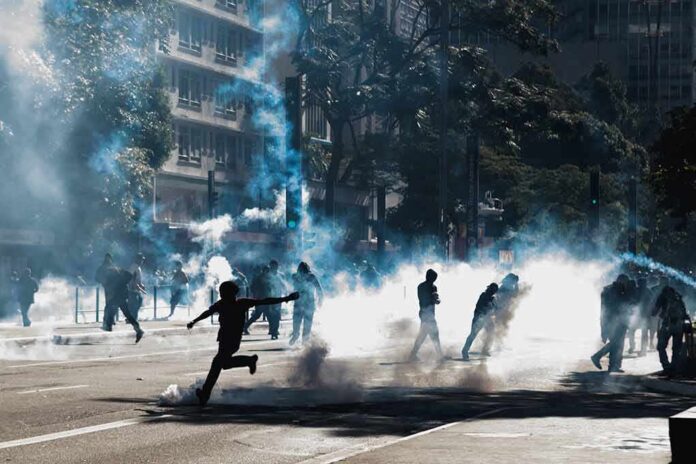
Police in Paris counted 110,000 marchers as clashes, tear gas, and water cannon ended a day of mass protests over rising costs and failing public services.
Story Highlights
- Authorities reported 110,000 people marched in Paris during nationwide protests.
- Rallies focused on rising living costs, inequality, and strained public services.
- Students, trade unionists, and Yellow Vest activists joined forces across France.
- Officials reported more than 1,200 arrests and dozens of injured officers nationwide.
Paris Turnout and National Scale
France’s Interior Ministry reported 110,000 people marched in Paris during a nationwide protest day that drew hundreds of thousands across the country. Officials placed the national figure at about 550,000. Organizers cited a higher total, but the official Paris count anchors the day’s scale. The Paris march capped a week of rising tensions, ending with police deploying tear gas and water cannon as evening clashes flared near the route and adjoining streets.
Authorities managed more than 100 demonstrations nationwide. The effort brought together different groups but one theme: daily life has grown too expensive, and core services are not meeting needs. The same Interior Ministry that reported the Paris number also detailed arrests and injuries, underscoring how a mass civic action can turn volatile at the edges. That volatility fueled media focus on security even as marchers pushed bread-and-butter demands.
What Drove People Into the Streets
Students, trade unionists, and Yellow Vest activists marched to protest rising living costs, social inequality, and pressure on public services. Student leaders tied today’s anger to school conditions like overcrowded classes, short staffing, and aging buildings. Union voices pressed for higher wages and pensions and protection of public services. This coalition did not agree on every item, but it shared a pocketbook message that many families recognize: paychecks buy less, bills are up, and services feel stretched.
Reports tracked the movement’s roots back to protests over school conditions in and around Paris. Those student actions grew into a broader call that reached beyond education to the price of food, fuel, and housing. Marchers carried signs demanding relief from inflation and better support in classrooms and clinics. That expansion explains why older union members and younger students walked together. The crowd looked different by age and job, but the cost-of-living story linked them.
Arrests, Injuries, and Policing Challenges
Officials said police used tear gas and water cannon as clashes broke out near parts of the Paris route. The French prime minister reported around 1,200 arrests nationwide and about 150 injured police officers. Those figures show how a large, mostly peaceful protest can still end with serious disorder when smaller groups break away or target property. Interior officials said officers faced coordinated trouble at times, raising the stakes for crowd control decisions.
Interior leaders also faced questions about route limits and the heavy security posture. Paris authorities steered the march away from the historic center and into the southeast sector. That choice can reduce damage risks but can also narrow public visibility of the crowd’s size and message. The tactic mirrors long-running French debates about how to balance the right to assemble with public order when tempers run high and dense urban grids create flashpoints.
Why This Matters to American Readers
French protests over prices, wages, and services mirror concerns many American families feel. When costs rise faster than pay, frustration follows. When schools and hospitals strain, trust falls. France now wrestles with the same questions we debate here: how to lower prices without crushing growth, how to fund core services without overspending, and how to police protests without choking free speech. The push and pull should remind us that stability rests on both order and accountability.
"French Riot Police Charge Protesters With Batons & Deploy Water Cannons Along Paris March Route Amid Nationwide Mobilization" #France
➡️ French riot police launched aggressive dispersal charges along the southern perimeter of Paris on Saturday afternoon, firing tear gas…
— BreakinNewz (@BreakinNewz01) October 24, 2026
Conservatives see a clear lesson. Big government promises often fail when bills come due. Heavy-handed crackdowns can also fuel anger and hide the real issues. Leaders must defend public order and protect the right to speak. They must also fix the causes of unrest: inflation, high energy costs, and broken services. France’s 110,000 in Paris did not march for ideology alone. They marched because daily life costs more, and they want common-sense change now.
Sources:
youtube.com, english.aawsat.com, aljazeera.com, dw.com