
A Minneapolis grocery store owner allegedly stole over a million dollars from a government program designed to feed hungry children and families, then waited five years to face charges while victims struggled to put food on their tables.
How the Scheme Operated in Plain Sight
Mohamed transformed Minnesota Food Grocery LLC into a hub for systematic benefit theft between March and August 2021. The operation was brazen in its simplicity. He collected EBT cards from SNAP recipients, then used those cards to purchase wholesale quantities of energy drinks, baby formula, and other high-value items. Those products landed on his store shelves, generating profits while taxpayers footed the bill. Investigators documented 27 different benefit cards in his possession, none registered to him. The purchases occurred at wholesale retailers where bulk buying raised no immediate red flags.
The Victims Who Enabled Their Own Exploitation
One victim, identified only as F.F., revealed the twisted arrangement that made the fraud possible. She stopped paying for groceries at Mohamed’s store for over a year and a half. The price for this convenience was surrendering her EBT card, allowing Mohamed to drain benefits meant for her family. This victim testimony exposes a troubling dynamic where desperate people trade long-term security for short-term relief. The arrangement suggests Mohamed cultivated relationships with vulnerable customers, building trust before exploiting their circumstances. How many other victims remain silent, either unaware of the theft or too compromised to come forward?
The Five-Year Gap That Demands Explanation
Investigators identified the fraud in 2021. Charges arrived in May 2026. That five-year delay between detection and prosecution represents a failure that compounds the original crime. The Hennepin County Attorney’s Office received the case on April 30, 2026, and filed charges four days later, suggesting the delay occurred elsewhere in the investigative chain. Minnesota’s statute of limitations for such crimes hovers around five years, meaning prosecutors were racing against legal deadlines to secure accountability. This pattern of delayed justice mirrors the state’s troubled history with welfare fraud oversight.
Minnesota’s Pattern of Welfare Fraud Failures
This case does not exist in isolation. Minnesota witnessed the spectacular Feeding Our Future scandal in 2022, where $250 million in federal child nutrition funds vanished through fraudulent claims. That debacle triggered finger-pointing between state and federal officials, with neither accepting full responsibility for oversight failures. The state has processed 19 SNAP trafficking cases in the past five years according to Minnesota Judicial Branch records. The West Lake Street corridor where Mohamed operated his store has become known for concentrated SNAP fraud risk, with small ethnic groceries authorized for the program creating opportunities for abuse in tight-knit communities.
The National Context That Amplifies Local Outrage
USDA Secretary Brooke Rollins launched an aggressive fraud crackdown in 2025 and 2026, mandating reapplications that exposed systemic problems nationwide. The initiative uncovered benefits flowing to deceased recipients and duplicate enrollments across state lines. Federal data from 2026 documents 226,000 fraudulent claims and 691,000 unauthorized transactions, draining over $102 million in taxpayer funds. The Mohamed case landed on front pages just as this national scrutiny intensified, making it a political flashpoint. Conservative commentators seized on the timing, connecting welfare fraud to broader arguments about government program inefficiency and lack of accountability.
Political Fallout Reaches the Governor’s Office
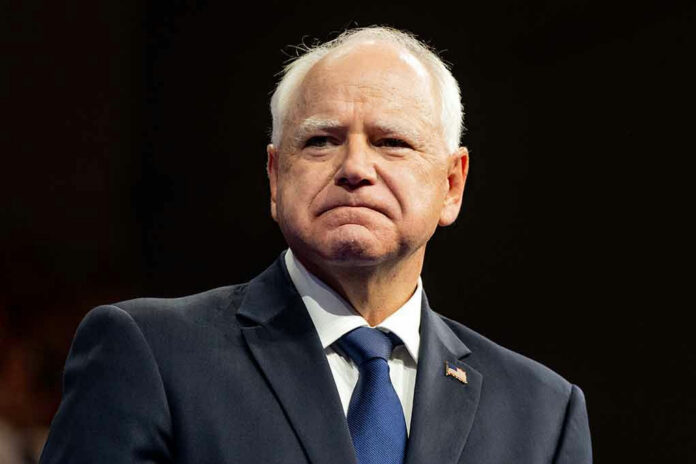
Governor Tim Walz found himself in the crossfire as critics linked the fraud to state-level oversight failures. Fox News panels framed welfare programs as tools for political control rather than genuine assistance, pointing to Minnesota’s record as evidence of negligence. The criticism carries particular weight given Walz’s national political profile and Minnesota’s reputation for progressive governance. Whether fair or not, the optics are damaging. The state administers SNAP benefits under federal guidelines, creating shared responsibility that becomes shared blame when fraud flourishes.
The Structural Problems That Enable Ongoing Theft
Policy experts identify systemic weaknesses that make SNAP vulnerable to exploitation. Chris Edwards from the Cato Institute argues federal funding structures eliminate state incentives for rigorous oversight. When Washington sends money with minimal consequences for fraud, state agencies lack motivation to police programs aggressively. Aynne Rachidi advocates eliminating Broad-Based Categorical Eligibility, which she contends has expanded SNAP beyond its intended scope. Don Basharov proposes requiring states to assume financial responsibility for fraud losses, theorizing that money at stake would sharpen attention to program integrity.
Million-dollar SNAP food stamp fraud scheme in Minnesota sparks outrage https://t.co/UDrqkv00vr pic.twitter.com/BN4qdiTe6U
— New York Post (@nypost) May 13, 2026
What Happens Next and What Should Change
Mohamed’s first court appearance is scheduled for May 27. The Hennepin County Attorney’s Office pledged to pursue full recovery of the $1.14 million in stolen funds, though restitution often proves difficult to collect from defendants without assets. The case should trigger stricter EBT monitoring protocols and more aggressive retailer audits. Some stores operate on thin margins of legitimacy, and disqualification from SNAP authorization should come swiftly when evidence of trafficking emerges. The USDA’s partnership with the Department of Justice and Secret Service signals serious federal intent, but enforcement means nothing if prosecutions take half a decade.
Sources:
Minneapolis grocery store owner charged in $1 million food assistance fraud – KSTP News
Welfare Digest: Minnesota’s 250M Fraud – Debt Dispatch
Food stamp fraud numbers expose which states draining most taxpayer dollars – Fox News