
A surprise Justice Department deal let Live Nation keep Ticketmaster while capping fees and forcing venue access changes that split Republican and Democratic officials and sparked a separate states-led trial that went to a jury.
Story Snapshot
- The Justice Department settled with Live Nation one week into trial, avoiding a breakup while imposing limits and access rules.
- Thirty-three states and Washington, D.C., rejected the deal and kept trying the case, later winning a jury verdict on the claims they took forward.
- The settlement includes a fund for states and requires Ticketmaster to open parts of its system to rivals, plus other restraints.
- Critics, including Senator Amy Klobuchar, called the deal too weak to fix market power or lower ticket costs.
What The Federal Settlement Actually Did
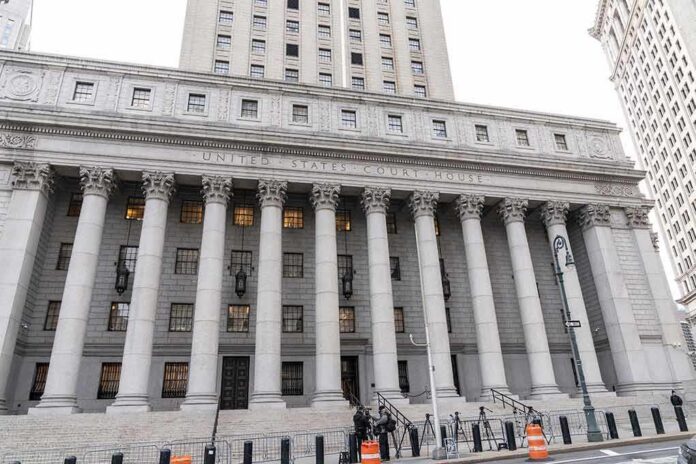
The Justice Department announced a settlement with Live Nation and Ticketmaster on March 9, 2026, a week into trial. The terms included limits on service fees, new venue-access options, and requirements that Ticketmaster allow competing ticket platforms to sell for facilities that choose them. The agreement also set money aside for states that signed on. The deal did not force Live Nation to spin off Ticketmaster, which critics had demanded. The Department filed the settlement with the court that same day.
The settlement followed a familiar pattern in complex antitrust cases, where officials try to fix behavior with clear rules instead of breaking up a company. Supporters said the rules would open more choice for venues and fans. They argued this path was faster, enforceable, and more certain than years of appeals. The agreement aimed to end exclusivity pressure, raise transparency, and limit fees that drive up ticket prices, while keeping concerts on schedule for fans.
Why Many States Rejected The Deal
A coalition of 33 states and Washington, D.C., flatly refused to join the federal deal. These attorneys general said the terms were too soft and left Live Nation’s power mostly intact. They kept trying the case before the jury and later announced a win on the claims they pursued. Their stance argued that only stronger remedies change market structure and restore fair competition for venues, promoters, and fans who face higher costs and fewer choices.
Several elected officials and experts echoed the critique. Senator Amy Klobuchar told the court that behavioral rules alone do not fix monopoly power in live events. She said the settlement did not open the market enough for real competition or lower prices for families. A Harvard antitrust scholar called the deal a “Band Aid” on symptoms, not a cure for the root problem. These views pressed for deeper structural changes, not just guardrails on conduct.
What It Means For Fans, Venues, And Conservative Priorities
Fans want fair prices, fee clarity, and real ticket access. The federal deal tries to improve each piece by limiting some fees, stopping exclusivity pressure, and letting venues pick other ticketing firms. States argued those steps are not enough without splitting tight control over venues, tours, and ticketing. Their jury win increases pressure for stronger remedies that may go beyond rules and into divestitures or longer oversight to protect consumers over time.
Oak View Group donated $250,000 to Trump’s inaugural committee in January 2025. Six months later, Trump’s own DOJ indicted the company’s CEO, Timothy Leiweke, for rigging a bidding process on a University of Texas arena contract — a charge carrying up to 10 years in prison and a… pic.twitter.com/Ay63ooK52o
— Dittie (@DittiePE) August 30, 2026
Conservatives want open markets, no special favors, and real accountability. The split response shows the hard tradeoff between fast, enforceable rules and a longer path to structural change. The settlement offers immediate, testable limits that can be policed now. The states’ verdict signals courts may back tougher measures if conduct keeps choking competition. The bottom line for families is simple: more choice and lower fees must show up on the receipt, not just on paper.
Sources:
theatlantic.com, cnn.com, ticketnews.com, justice.gov, apnews.com, theguardian.com, thehill.com, politico.com, tn.gov