
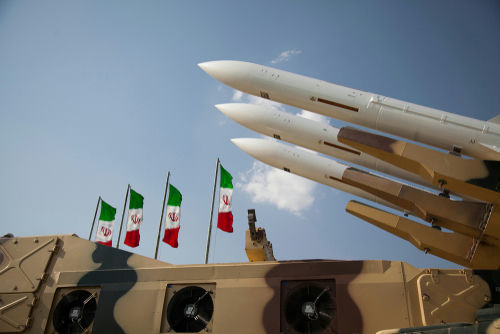
As Tehran’s rulers quietly claim they “outlasted” Washington and reopened the Strait of Hormuz on their terms, American conservatives are left asking whether a shaky ceasefire now masks a more dangerous, empowered Iran.
How Tehran Is Spinning Survival Into “Victory”
Iran’s leaders are telling their own people, and the world, that they “crushed” their enemies simply because the regime is still standing after assassination attempts and heavy strikes on its territory.[1] Gulf-based analysis notes that efforts to decapitate the leadership failed to force surrender, and Tehran is now trying to shape ceasefire terms instead of accepting defeat.[1] Brookings research explains this pattern, where Iran routinely brands basic regime survival as a kind of victory, even when its forces and economy take serious hits.[3]
American viewers have seen this narrative play out before: a supreme leader praising a “great nation” for resisting, while outside experts quietly report that nuclear assets and military capabilities were damaged more than Tehran admits.[1] Analysts describe how Iran’s retaliation, including moves around the Strait of Hormuz, disrupted economic and energy infrastructure but did not translate into decisive battlefield success.[3] Yet inside Iran, officials present the outcome as proof that the “resistance” model works and that the United States and its allies failed to impose regime change.[1][3]
Leadership Loss, Regime Resilience, And A Dangerous Message
Behind the victory talk sits a harsh reality: the regime lost its long‑time supreme leader to assassination and still managed a transition without imploding.[2] The Council on Foreign Relations reports that institutional power‑sharing and clerical networks helped smooth the leadership handoff, preserving elite buy‑in even under wartime pressure.[2] Scenario work on the post‑assassination period warned of a major political vacuum, yet Iranian power centers adapted enough to keep command, control, and security services functioning.
That institutional resilience sends a troubling signal to Washington and its allies. If targeted killings and intense strikes do not break the regime, Tehran may conclude it can keep backing proxy attacks, threatening shipping lanes, and pushing its nuclear program while still avoiding collapse.[1][3] Brookings scholars argue that this survivability should not be confused with real strategic success: Iran absorbs heavy economic damage, domestic discontent, and hits to deterrence even as it claims to have stood firm.[3] For American conservatives who value strength and clarity, the risk is that mixed outcomes let both sides claim victory while Iran quietly prepares for the next round.
Ceasefire Deals, Hormuz Leverage, And What It Means For Americans
Recent reporting on the talks describes a fragile two‑week ceasefire, mediated by outside powers, in which Tehran is still bargaining rather than capitulating, using the threat to global oil flows as leverage.[1] Analysts note that Iran’s retaliation against Gulf states and its blockade tactics around the Strait of Hormuz disrupted energy infrastructure, driving home how much power the regime still wields over a key chokepoint for world oil.[3] That pressure helped push momentum toward an interim understanding instead of a clear-cut surrender.[2][3]
Coverage of negotiations says the new supreme leader has been slow and cautious but is inclined to sign a memorandum of understanding that would halt open war and reopen the Strait of Hormuz, while leaving harder nuclear issues for later talks.[2] Experts emphasize that such an interim arrangement would stop the shooting and ease immediate economic strain, yet it does not resolve core security problems or roll back Tehran’s regional reach.[2][3] For American families facing gasoline and heating costs, any reopening of Hormuz may bring short‑term relief, but only firm, verifiable limits on Iran’s power will protect energy markets and U.S. forces in the long run.
Sources:
[1] Web – Why Iran’s Leaders Think They’ve Won
[2] Web – The Impact of Leadership Loss in Iran – Gulf International Forum
[3] Web – After Khamenei: Planning for Iran’s Leadership Transition