
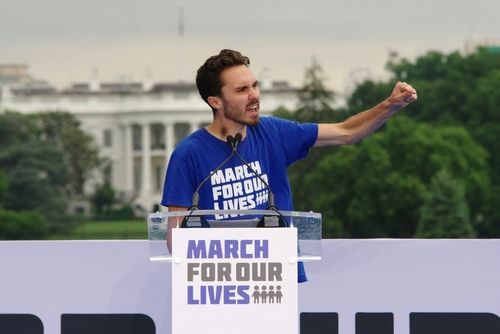
David Hogg’s poorly managed PAC exposed the Democratic Party’s internal collapse while revealing how activist credentials don’t translate into political competence.
A Conflict of Interest That Divided Democrats
In February 2025, David Hogg was elected as a Democratic National Committee vice chair, positioning him as a party leader during a critical period following significant 2024 election losses. Just months later, Hogg announced his Leaders We Deserve PAC would spend $20 million supporting primary challenges against incumbent Democrats he deemed insufficiently progressive or too old. This direct contradiction between his DNC leadership role and his simultaneous attack on party incumbents created an untenable conflict of interest that exposed the Democratic Party’s internal fractures at a moment demanding unity.
Massive Spending Gap Raises Accountability Questions
The PAC’s actual performance starkly contradicted Hogg’s ambitious fundraising promises. Between June and August 2025, Leaders We Deserve contributed only $455,000 to candidates despite raising approximately $3 million and maintaining $1.6 million in reserves. New York state Senator James Skoufis publicly mocked the spending disparity, calculating that at this rate, Hogg would need to raise over $3 billion to fulfill his $20 million pledge. This dramatic gap between promises and performance raised serious questions about how donor money was being allocated and whether operational costs were consuming resources meant for candidate support.
Failed Primary Strategy Demonstrates Ineffective Organizing
The PAC-backed candidates produced dismal electoral results that undermined Hogg’s credibility as a political strategist. Deja Foxx, a candidate receiving $150,000 in PAC support, lost a House Democratic special election primary by 39 percentage points in late June 2025. This catastrophic defeat exposed the limitations of throwing money at candidates without effective ground organization or strategic planning. The poor performance raised legitimate questions about whether Hogg possessed the political acumen necessary for effective party leadership or whether his celebrity status from activism had outpaced his actual governing capabilities.
DNC Leadership Removes Hogg, Establishes New Rules
Facing mounting pressure from party leadership, the DNC removed Hogg from his vice chair position in late 2025, citing that his February election did not comply with party rules. DNC Chair Ken Martin, while acknowledging Hogg’s activism, stated that party officers must remain neutral in primary races. Hogg announced he would not fight for reinstatement, instead accusing DNC colleagues of being “asleep at the wheel” and claiming too many Democrats were “dying in office” and handing Republicans expanded majorities. The removal established a critical precedent requiring DNC officer neutrality in primaries, effectively constraining future activists from using party leadership positions to wage internal warfare.
This episode reveals how activist credentials and media visibility do not automatically translate into effective political organization or sound judgment. Hogg’s removal from DNC leadership and his PAC’s dismal spending record demonstrate that the Democratic Party’s internal divisions run deeper than generational disagreements—they reflect fundamental questions about competence, transparency, and whether ideological purity campaigns serve the party’s electoral interests during a period of Republican dominance.
Sources:
David Hogg’s arrogant, self-indulgent stunt
David Hogg removed from DNC vice chair position after party backlash
David Hogg’s PAC spending practices revealed through FEC filings
David Hogg group hit with allegations over spending practices and policies