

Nepal begged China for faster flood and glacier risk data months before a sudden border flood killed hundreds, and now Kathmandu wants a formal, real-time data pact to prevent the next tragedy.
Story Snapshot
- Nepal sought more frequent upstream data from China before the deadly flood.
- China says it shared information in a timely manner and stayed in close contact.
- Officials warn new barrier lakes could burst and threaten more towns.
- Nepal now wants a deal like its India pact, with near real-time feeds.
Nepal’s Push For Real-Time Warnings After Mass Casualties
Nepal’s disaster leaders say they need rapid, upstream data from China to warn families in time. After a sudden flood at the Nepal–Tibet border swept away villages, officials said they will seek a formal data-sharing pact with China. The plan mirrors Nepal’s arrangement with India, which sends frequent river and rain readings. Nepal wants updates as often as every 10 minutes to “warn our people, save our people,” according to local officials cited by reporters.
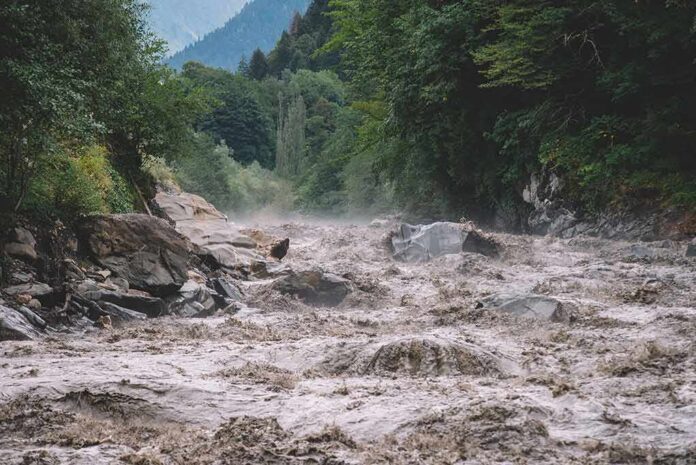
Rescuers counted large losses and feared more after a wall of rock and ice rushed into a cross-border river. Reports documented rising barrier lakes and warned of more bursts if the debris dams failed. Both Nepal and China tracked growing risks in the days after the flood, while search teams fought harsh terrain and broken roads. A rising lake behind debris on the Nepal side forced fresh alerts as officials watched its level with limited tools.
What China Says It Shared — And What Nepal Says It Needs
Chinese diplomats reject claims of withholding early warnings. They say experts monitored conditions and shared important information with Nepal in a timely way. They also say both sides stayed in close contact and made progress at a May meeting on cross-border disaster data. Beijing states that exchanges included readings on a new debris-formed lake after the flood. These points frame China’s public case on cooperation and timing.
Nepal’s officials and outside experts point to gaps that still cost lives. They argue downstream towns need upstream river levels, rainfall, and lake status in near real time. Satellite pictures help, but clouds and timing limit them. Without dense stations high in the mountains and steady data feeds, warnings can come too late. That is why Nepal is pushing for a formal, automatic sharing channel that does not rely on ad hoc calls or post-event meetings.
The Stakes For Downstream Families And Cross-Border Safety
Downstream communities bear the brunt when upstream data comes late or is too sparse. Lives and bridges vanish in minutes if a glacier lake breaks or a rockfall dams and then releases a river. After this flood, officials warned that new barrier lakes could burst, sending another surge. China’s state media reported one lake shrinking later, but early warning windows can be short. Minutes matter for sirens, road closures, and getting families to higher ground.
Nepal Officials Say China Withheld Flood Risk Data https://t.co/6Veq74Vvjb via @NTDPlus_
— SASSYCHICK (@KT07500539) August 31, 2026
This crisis fits a larger pattern in the Himalayas. Warming speeds ice loss and raises the chance of sudden lake failures. The best monitoring sits upstream, often across a border, while the heaviest damage hits downstream. That mismatch makes routine, real-time data sharing a safety issue, not a favor. A clear pact, tested often, can help both sides protect people, power lines, and trade routes before the next wall of water forms.
Why This Matters To Americans Who Value Sovereignty And Security
American readers know the cost when global supply lines break and governments hide the ball. Border disasters can choke trade, inflate prices, and force allies to seek help from less friendly powers. Strong, transparent data flow respects national sovereignty while saving lives. The United States can back open standards, honest reporting, and local control. That approach checks secretive behavior, cuts disaster shock, and protects families abroad and at home from avoidable harm.
What Comes Next: From Promises To Proven Alerts
Nepal plans to press for a formal system with scheduled updates, clear triggers, and joint drills. China’s statements promise contact and cooperation. The test is whether both sides deliver automated, frequent feeds that local officials can act on fast. Reliable sharing should include river levels, rain rates, lake volumes, and rapid notice of slides or collapses. If those pipes run every day, not only after tragedy, villages could gain the minutes they need to live.
Sources:
youtube.com, english.khabarhub.com, bbc.com, straitstimes.com, reuters.com