
An organized ambush in Congo left about 20 dead or wounded, including American Green Beret Tim Kennedy, in a fight tied to the world’s cobalt supply.
Story Highlights
- Sources linked the ambush to Rwandan military forces operating near M23 rebels.
- About 20 casualties were reported; Tim Kennedy was shot in the leg three times.
- The strike hit a team supporting Congo’s military amid battles over cobalt-rich territory.
- Rwanda has denied broader backing for M23 in the past, despite prior United Nations reports.
Coordinated Ambush Hits Vectus Team In Eastern Congo
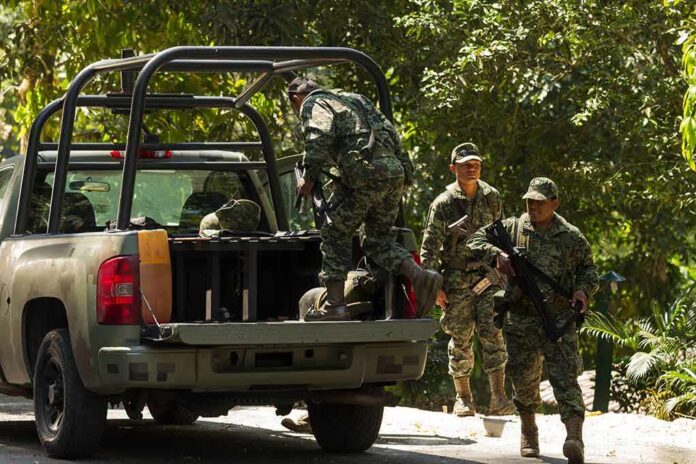
Reuters reporting said an armed group ambushed a Vectus Global team during movement between locations in South Kivu on September 17. Two sources with direct knowledge attributed the attack to Rwandan forces, citing the operation’s planning and precision. About 20 people were killed or wounded, including at least seven Congolese personnel and foreign contractors. Former Ultimate Fighting Championship fighter and American Green Beret Tim Kennedy was shot three times in the leg and evacuated.
A Congolese government source said Rwandan elements tied to the March 23 Movement may have tracked a surveillance drone to find the team’s location, enabling the ambush. The account described an organized strike as the Vectus unit moved between sites, a moment when security can be thin and routes are exposed. Vectus Global declined public comment in the cited reporting. Rwanda did not issue a contemporaneous statement on this specific incident in the reports.
Why This Fight Matters: Cobalt, Security Contracts, And Regional Power
The battle zone sits atop some of the world’s richest cobalt and copper deposits, which power electric vehicles, phones, and batteries. Control over roads, airstrips, and mining corridors can decide who profits and who governs. The team hit in this ambush supported Congo’s forces with border security and strategic military advice under a contract linked to Erik Prince’s company, Vectus Global, according to reporting on United Nations expert findings. That mission profile made them a high-value target.
United Nations experts and Western governments have previously accused Rwanda of supporting the March 23 Movement in eastern Congo, while Kigali has denied command responsibility. That history sets the context for why sources pointed to Rwandan involvement here. It also explains the intensity on the ground, as Congo’s army and allied units fight an opponent with better arms, logistics, and cross-border support than most militias. The reported ambush reflected that higher level of skill.
What Sources Say About The Attackers’ Tactics
Sources told Reuters the attackers struck during a transit window, suggesting prior surveillance and route knowledge. The reported idea that the team’s drone was tracked would fit a pattern seen in modern conflicts, where radio links, flight paths, and launch sites can tip off an enemy. The casualty count and mix of victims, including a New Zealand veteran who died, matched the profile of a coordinated operation, not a brief skirmish or random clash in the bush.
INTELLIGENCE BRIEF
Subject: Reported Ambush of Vectus Global/FSG Personnel — Eastern DRC
Date: 10 October 2026
Classification: Open-Source Assessment📌 SUMMARY
In mid‑September 2026, personnel linked to entities Vectus Global and FSG — both associated with Erik Prince,… pic.twitter.com/n3xJwOSfeU
— INTELLIGENCE FRONT⚡️ (@IntelFrontUnit) October 10, 2026
Reporters did not publish recovered radios, weapons, or intercepted communications tied to a specific unit in these accounts. But the sources described the strike’s timing, complexity, and effect as consistent with trained military tactics. That picture aligns with prior reports that placed Rwandan support behind March 23 Movement advances. One caveat is that these attributions came from unnamed sources in the reporting, while the company did not add its own account.
What Comes Next For U.S. Interests And Security
This incident highlights a hard truth: energy supply chains depend on security in places far from Washington. When contractors who back a friendly government get hit, it can shake routes that feed our factories, grids, and vehicles. The Trump administration has pressed for stronger supply chains and less reliance on hostile actors. Events like this show why America needs clear eyes on Africa’s wars, steady rules for contractors, and firm pressure on any state that fuels proxy violence.
Sources:
mediaite.com, yahoo.com, athlonsports.com, thebrief.news, nypost.com, x.com