
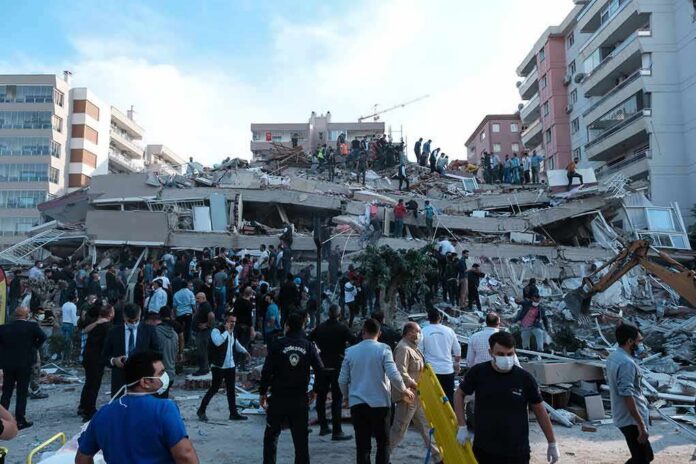
A year after five journalists died in the Nasser Hospital strike, calls for real accountability still go unanswered.
Story Highlights
- United Nations officials say probes into Gaza journalist killings have yielded no accountability.
- Press groups report five journalists died in the Nasser Hospital strike and demand answers.
- Israeli military says it did not target journalists and is reviewing decision gaps.
- Global records show war-zone journalist killings rarely lead to justice.
What advocates and officials say about accountability
United Nations human rights officials said investigations into Gaza journalist deaths have produced no results and urged justice after a year with no named culprits. They called for access for international reporters and protection so facts can be verified on the ground. Their statements follow months of conflict and growing death counts among local media workers in Gaza. The message is clear: without outcomes, trust erodes and impunity grows, even when the loss is well documented.
The Committee to Protect Journalists reported that at least five Gazan journalists were killed in Israeli strikes on Nasser Hospital and pressed Israel to be held to account for what it called continued unlawful attacks on the press. Major news agencies echoed that demand. The Associated Press and Reuters publicly asked Israel to explain the strike and to ensure the safety of those still reporting in the war zone, underscoring the profession’s shared alarm.
Israel’s position and the open questions it leaves
The Israeli military told Reuters the Reuters and Associated Press journalists were not targets in the Nasser Hospital strike, expressed regret for civilian casualties, and said the army chief flagged “several gaps” for deeper review. A preliminary military report said it appeared a Hamas camera was the intended target and listed six militants killed, none of whom were the five journalists. Officials offered no further comment when pressed by the press-freedom group for details.
Past cases add to the dispute. In the killing of Al Jazeera’s Shireen Abu Akleh, Israeli authorities concluded she was likely hit unintentionally by Israeli fire, not deliberately targeted, and saw no grounds for criminal charges. That finding clashed with outside reporting and kept the case contested. Al Jazeera later asked the International Criminal Court to identify those responsible, reflecting a push to move beyond internal military reviews toward formal legal scrutiny.
Why this matters for press freedom and U.S. interests
Global watchdogs say conflict-zone journalist killings often go unresolved. United Nations Educational, Scientific and Cultural Organization reporting shows a sharp rise in media deaths in war zones in recent years and a long pattern of impunity. That wider record explains why the Gaza cases fuel anger: families see few results and little deterrence. When the press is unsafe, truth gets harder to find, and propaganda fills the gap. That hurts the public everywhere, including Americans who seek clear facts.
https://twitter.com/usmanhaider1193/status/2091818471038300181
For U.S. readers who value the Constitution and a free press, this is not abstract. The First Amendment depends on reporters who can work without becoming targets. Allies who share our aid and intelligence should meet clear standards when civilians, including journalists, are killed. Transparent answers, specific timelines, and public findings are common sense steps. They also help our own military partners sharpen rules, fix gaps, and avoid repeat tragedies that stain shared missions.
What accountability could look like now
Concrete steps can cut through doubt. Israel could release complete incident files for strikes that killed journalists, including target reviews and battle-damage assessments. Independent forensic teams could examine munitions and angles of fire. Survivors and medics could give sworn testimony to lock in timelines and markings. If domestic reviews stall, international investigators can step in. Each measure would move the record from statements to verifiable facts that uphold the rule of law.
Bottom line for conservative readers
A free press keeps leaders honest and protects families from lies, at home and abroad. United Nations officials and press groups say Gaza cases lack answers, while Israel denies targeting journalists and promises internal review. The gap is evidence, not spin. Clear disclosures and real findings would serve justice and strengthen legitimate security aims. America should expect nothing less from any partner that receives our support and claims to share our values.
Sources:
reuters.com, aa.com.tr, washingtonpost.com, aljazeera.com, theguardian.com, un.org, cpj.org