
Joe Rogan says Texas Republicans alienated young voters with THC bans, and the backlash helped Democrats flip the state.
Story Highlights
- Rogan linked Texas GOP anti-THC moves to Democratic wins and called weed “a big factor.”
- Pre-election, Rogan warned a ban would “turn the whole thing blue” by driving off younger voters.
- Polling showed Texans broadly opposed outlawing hemp-based THC products, splitting Republicans.
- Analysts say THC was one of several issues in a rough national climate for the Texas GOP.
Rogan’s Claim: THC Policy Helped Flip Texas
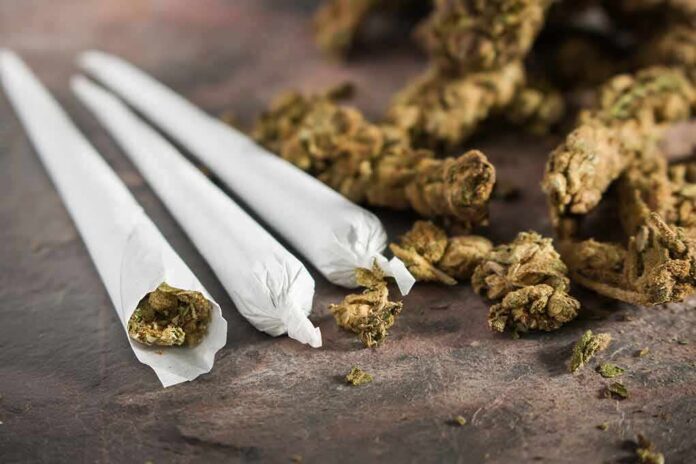
Mediaite reported on November 14 that Joe Rogan tied Texas Republican losses to anger over efforts to ban hemp-derived THC products, saying “weed was a big factor.” He argued Republicans looked out of touch to younger voters who do not see marijuana as dangerous. He also noted the statewide sweep by Democrats. His post-election take followed multiple on-air warnings that a ban would push Texas toward Democrats by alienating a rising generation.
Rogan’s warning before the vote was blunt. He told Republicans that banning THC would “turn the whole thing blue” because “kids will turn on you if you tell them they can’t smoke weed.” His pitch was not left-wing. It was political reality: do not criminalize what many voters see as common and low-risk. Whether listeners agreed with his tone or not, his message echoed a live debate inside Texas conservatism.
What Texas Voters Said About Bans
Polling from the University of Texas and the Texas Politics Project in June 2025 found most Texans opposed outlawing hemp-derived THC products. The survey reported 53 percent opposed a ban and 31 percent supported it. Republicans were split, with support and opposition close together. That division signaled risk for any blanket prohibition and warned of cracks with younger and suburban conservatives who dislike nanny-state rules.
Other polling painted a similar picture for the Republican base. A survey of Republican primary voters in 2025 found more opposed banning hemp and THC products than supported doing so. The numbers suggested many right-leaning voters favored a regulated market over outright bans. That stance fits core conservative ideas: personal choice, free enterprise, and the belief that government should not micromanage adults’ lives.
The Policy Fight Became a Campaign Issue
The Texas Politics Project labeled Senate Bill 3 as a “de facto ban” on many THC-derivative products and tied the push to Lieutenant Governor Dan Patrick. Even after Governor Greg Abbott vetoed the bill, the controversy did not fade. The debate kept the spotlight on which party respected personal freedom and small business. That noise gave Democrats an easy contrast, especially with younger voters who saw bans as pointless and heavy-handed.
Post-election reporting linked Democratic candidates to promises to roll back restrictions and reform hemp policy. Coverage described Patrick’s loss and said incoming Democratic leaders planned to revisit the rules that choked the market. Advocates cheered and argued the results boosted efforts to protect access and small retailers. While not proof of a single cause, those outcomes show THC policy landed on the ballot and some candidates rode it to wins.
How Much Did THC Actually Matter?
Analysts urged caution on sweeping claims. Political scientists said THC was one issue among several, including school vouchers, national headwinds, and cost concerns, that together dragged Texas Republicans down. One expert called THC a possible “straw that broke the camel’s back,” not the sole reason. That view matches common sense: culture fights, pocketbook pain, and turnout patterns all shaped 2026. THC bans may have pushed some voters, but not all.
NYT: Joe Rogan blames the Iran war and an immigration crackdown targeting "nice, good people" for the Republican midterm losses
"They didn't just lose the podcast bros. They lost most of the country."
Link: https://t.co/3idobjmDbO pic.twitter.com/L2seFebQsz
— Politics Watch (@politics_watch1) November 14, 2026
The core lesson for conservatives is strategic, not ideological. Voters rejected sweeping bans on products many see as mild and legal in other states. That does not mean embracing chaos. It means crafting clear rules, age limits, labeling, and penalties for abuse, while respecting adult choice and small business. Republicans win when they defend liberty, fight real crime, secure the border, cut taxes, and lower energy costs—not when they police personal choices with broad bans.
What Comes Next For Policy And The Right
Texas lawmakers face a simple fork in the road. They can keep pushing near-total bans that split the base and fuel black markets. Or they can design strict, adult-use rules that reflect public opinion while protecting kids and communities. The polling and the 2026 results show where many Texans stand. President Trump’s voters value freedom and order. Smart policy respects both. That path can rebuild trust without handing Democrats an easy cultural wedge.
Sources:
mediaite.com, dallasobserver.com, texaspolitics.utexas.edu, sacurrent.com, marijuanamoment.net