

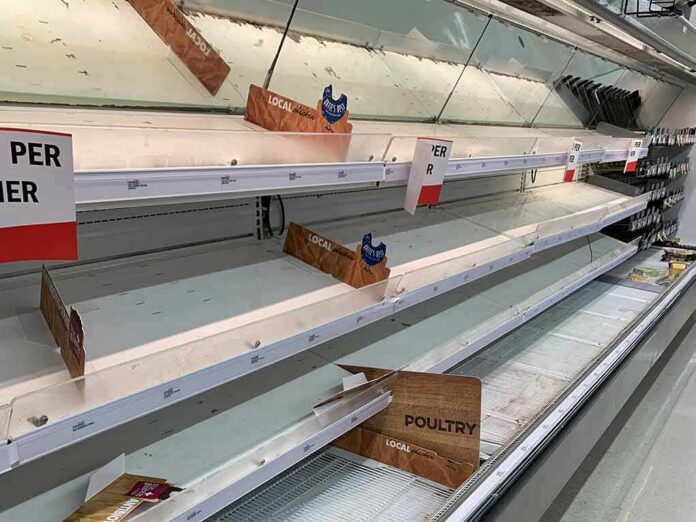
Overnight changes to supermarket freezer temperatures in Sweden, Belgium, and Luxembourg point to remote tampering of store control systems, raising fresh alarms about critical infrastructure security in daily life.
Story Snapshot
- Retailers in three countries reported unauthorized temperature changes in store refrigeration systems.
- Reports match a recent French case where controllers were remotely altered across hundreds of stores.
- Legacy, internet-connected controllers present a known weak spot in store operations.
- Companies say investigations continue; links among incidents are not confirmed.
Retailers Report Overnight Temperature Changes
Retail groups said someone changed refrigeration settings during the night in parts of Belgium, Luxembourg, and Sweden. Ahold Delhaize confirmed tampering with cooling-system temperatures in Belgium and Luxembourg. ICA said a limited number of Swedish stores had an overnight incident. Coop confirmed problems at six central Swedish stores. Retailers have described the events as an information technology incident while they continue to investigate the cause and scope of the changes.
Investigators have not publicly named a suspect or a method. The pattern lines up with remote control of internet-connected devices that regulate freezers and coolers. The same kind of manipulation recently defrosted cases across France. That event prompted a criminal probe in Paris after food spoiled and multiple chains reported wide damage. Officials and experts said remote access to store controllers allowed settings to be raised in many locations at once.
How Store Controllers Become a Soft Target
Store refrigeration often runs on long-lived controllers managed over corporate networks. Older units can lack modern security updates. French reporting identified legacy models from known brands that were no longer patched. That created a gap that bad actors could exploit to push set points higher. A French store director said they shut down systems and disconnected them to cut off the remote path. That response suggests operators feared continued outside access if the gear stayed online.
The suspected mechanism is simple and dangerous. Attackers do not need to break the compressor. They only need to change the temperature target or disable alarms. Warm cases can spoil food fast, which hits families and store budgets. The broader lesson is clear. When critical machines are online, weak passwords, exposed ports, or outdated firmware can turn a food aisle into a loss. That risk is not theory. It has already produced large, real-world waste in Europe.
What Is Known—and What Is Not
Retailers in Belgium, Luxembourg, and Sweden have not confirmed that the same people or tools behind the French case hit them. Delhaize said it is investigating whether the events are linked. Reports also say the exact equipment in the three-country incidents has not been identified. That means ties to the French case remain unproven for now. Agencies and prosecutors have not released forensic details such as logs or a confirmed exploit chain.
The situation this morning in Europe:
A cyberattack is disrupting supermarket refrigeration systems across several European countries, including Sweden, Belgium, Luxembourg, Estonia and Ireland.
• What is happening: A vulnerability in specific refrigeration control software is…
— GeoInsider (@InsiderGeo) November 2, 2026
Even with open questions, the facts support a practical warning. Remote alteration of set points is consistent with a compromise of connected controllers. French authorities saw that across several major chains, at scale, on specific dates. That shows how fast a bad actor can hurt food safety and store supply. It also shows why companies must harden older systems or segment them from the public internet. Doing nothing invites repeat hits and higher costs.
Why This Matters for American Families
American families depend on stable food prices and safe shelves. Cyber abuse of basic store systems drives waste and higher costs. It also exposes a larger threat. The same weak practices that leave a freezer open to attack can put other building systems at risk. That includes heating, air, lights, and even alarms. Strong borders matter, but so do strong networks. We must lock digital doors so foreign or criminal actors cannot raise prices by breaking our cold chain.
President Trump has pushed for tougher critical infrastructure standards and accountability. Retailers and vendors should meet that bar by inventorying controllers, patching what can be patched, and isolating what cannot. They should remove default passwords, require multi-factor logins, and restrict remote access to known staff. Quick steps like network segmentation and offline backups reduce blast radius. Families should expect this discipline. It protects wallets, food safety, and community stores.
Next Steps: Secure the Cold Chain Now
Companies should verify whether temperature changes came from commands, not sensor or power faults. They should pull controller logs, check set point histories, and match times to remote connections. If older hardware will not take updates, they should plan fast replacements. Insurers and regulators can help by rewarding strong controls and clear reporting. Europe’s wake-up call is on our doorstep. Protecting freezers protects families—and defends the everyday freedom to shop without cyber chaos.
Sources:
insiderpaper.com, apnews.com, dutchnews.nl, cphpost.dk, people.com, independent.ie, occrp.org, bloomberg.com