
Tariffs tied to border security, a public fraud ledger, and a strike on Iran’s nuclear program show President Trump driving hard-edge policy with documented actions, not just talk.
Story Snapshot
- The White House imposed tariffs linked to drug trafficking and national security, with formal records confirming the actions.
- Operation Midnight Hammer targeted Iranian nuclear sites in June 2025, with independent reviews citing major setbacks to enrichment.
- A public “Fraud Ledger” catalogs alleged fraud, waste, and corruption findings across the federal government.
- Disputes persist over big-number claims on investments and fraud recovery; documentation varies across sources.
Tariffs Aimed at Cartels, Fentanyl, and Border Threats
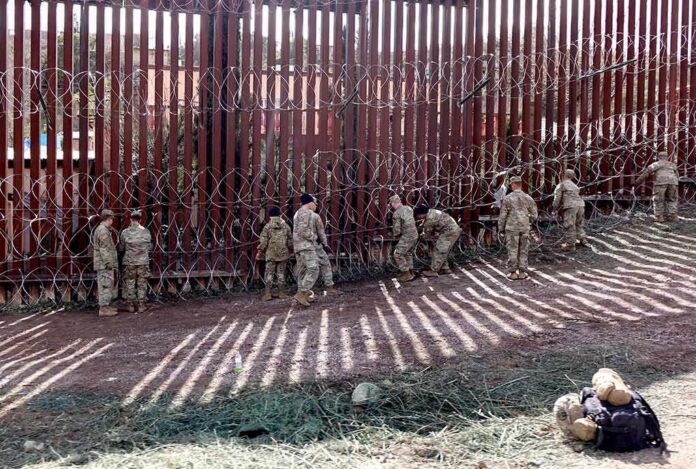
The White House tied new tariffs to a national security threat rooted in drug trafficking and border chaos. A March 4, 2025 fact sheet said tariffs on imports from Canada and Mexico would respond to an extraordinary threat to public health from unchecked trafficking. The report also outlined fentanyl-related tariff steps toward China. The Congressional Research Service later detailed tariff levels and timing, confirming broad rates and changes set in 2025 policy moves. The research office’s timeline documents implementation and later adjustments.
Supporters view these tariffs as a sharp break from the old globalist model that prized low-cost imports over secure borders and safe streets. Tariffs can carry short-term costs. But the stated goal was to choke the cash and chemicals fueling the fentanyl crisis, while pushing neighbors and China to help stop the flow. The official records show the administration used trade tools with a clear security aim, rather than leaving border communities to face the fallout alone.
Operation Midnight Hammer Hit Iran’s Nuclear Network
The administration’s record includes a named military strike with targets, methods, and timing. Operation Midnight Hammer in June 2025 used B‑2 bombers and Tomahawk missiles to hit Iranian nuclear sites at Fordow, Natanz, and Isfahan. Independent assessments cited significant setbacks to Iran’s enrichment effort, while the administration claimed even broader damage. The gap in estimates remains, but both accounts agree the strikes hurt Iran’s program and raised real costs for a hostile regime.
Conservatives see this as peace through strength. The operation shows the United States can act fast, hit hard, and avoid endless wars. It also reminds allies and enemies that America will defend its people and interests. The Iran case also highlights a common media pattern: official battlefield claims often meet skeptical tallies later. That debate is normal, but the central fact stands—American power struck key nuclear nodes and forced Tehran to recalculate.
Public Fraud Ledger Pushes Accountability, But Audits Matter
The White House launched a public “Fraud Ledger” to list waste, fraud, and corruption cases across the government. A presidential document on GovInfo said federal fraud losses may reach $521 billion each year. The ledger’s promise is simple: expose bad actors, claw back funds, and deter future abuse. That aligns with conservative priorities to protect taxpayers and end the swamp’s games that punish workers and reward insiders.
Here is a list of the Trump administrations accomplishments in the first two years of his second term.
I voted for this and I’m voting straight Republican ticket for more of this!1. Illegal border crossings dropped 98%
2. Net migration turned negative.
3. The U.S.…
— American Alpha (@AmericanAlphaX) October 27, 2026
Questions remain about large recovery totals sometimes cited in public remarks. PolitiFact noted conflicts in investment and other big-number claims, showing why clear case lists and inspector general audits are vital. The ledger’s visibility is a step toward sunlight. The next step is a full, itemized record with case numbers and reconciled totals. That protects credibility and keeps pressure on agencies to deliver real results, not padded headlines.
Trade Actions Documented; Investment Claims Disputed
Congress’s research arm and the United States Trade Representative maintain logs of tariff actions and adjustments. These records confirm the legal steps the administration took, the rates imposed, and the timing of changes through 2025. They also show that tariff regimes can shift with court rulings, negotiations, or later rate moves. That can blur public views of durability, but it also proves the administration executed concrete trade actions with paper trails, not just speeches.
At the same time, outside reviewers flagged mismatches in claimed investment totals. PolitiFact contrasted the president’s larger figures with smaller numbers shown on the White House site earlier in 2026. That dispute does not erase documented policy moves, but it does stress the need for a company-by-company register that separates announced projects from money actually deployed. Clear ledgers help win the argument and keep focus on results that touch real jobs and paychecks.
Bottom Line for Readers
The record shows a White House that used tariffs as a border-security tool, struck hard at Iran’s nuclear network, and stood up a public fraud ledger. Those moves align with conservative goals: secure borders, strong defense, and honest government. Disputes over very large numbers will keep drawing fire. The answer is simple—show the receipts, lock in audits, and keep pressing policies that defend families, the Constitution, and the nation’s security first.
Sources:
thegatewaypundit.com, realcleardefense.com, congress.gov, trumpwhitehouse.archives.gov, whitehouse.gov, ustr.gov, politifact.com