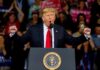
Russia freed 74-year-old American Stephen Hubbard a day after President Trump said he asked Vladimir Putin to release him.
Story Highlights
- President Trump said he personally asked Putin to free Hubbard.
- Russia released Hubbard while U.S. envoy Steve Witkoff met Putin in St. Petersburg.
- Trump said there was no swap or payment and “nothing in return”.
- Reports noted Trump also paused new Russia sanctions during the talks.
What Happened: An American Comes Home After Four Years
Reporters on October 20, 2026 heard President Trump say he asked Vladimir Putin to release Stephen Hubbard, a 74-year-old retired American teacher held in Russia. The next day, Russia released Hubbard after more than four years in custody over claims he fought for Ukraine, which he denied. News outlets said he was headed home to the United States. Families want results, and this was a result: an American out of a Russian prison and on his way back.
Coverage described the timing in detail. Russia freed Hubbard on October 21, 2026 as U.S. envoy Steve Witkoff met Putin in St. Petersburg. Reports tied the release to President Trump’s request and to active talks over broader issues, including efforts to end the war in Ukraine. The sequence is clear: a public request by the President, a face-to-face meeting by his envoy, and a release that followed within hours.
Trump’s Claim: No Swap, No Cash, Respect for America
President Trump said Russia released Hubbard “out of respect for President Trump,” adding the United States did not give “anything in return,” and that there was “no swap necessary”. That matters to readers who remember past deals that traded prisoners or unlocked money. Trump’s statement drew a hard line: no trade, no ransom, and no American concession. The White House framed the outcome as proof that firm leadership can bring people home without paying off hostile powers.
At the same time, some reports highlighted a separate point Trump made: he said new Russia sanctions would have stopped the talks. Coverage said the administration had paused those sanctions while diplomacy moved. That raised questions from critics about whether sanctions policy was part of the bargain. The public record does not show a written deal linking the pause to the release, but the timing fueled debate in Washington about leverage and conditions.
How The Pieces Fit: Strength, Timing, And Diplomacy
Newsrooms widely agreed on core facts. President Trump said he asked Putin to release Hubbard. Russia released Hubbard during Witkoff’s visit with Putin. Trump said there was no swap. Reports noted the sanctions pause. Those points form the public record. The chain of events supports the view that direct engagement, backed by leverage, can move a case. It also shows how serious talks often involve several tools at once, from leader calls to pressure and pacing.
Conservatives see a contrast with past policies that paid cash or traded prisoners. In this case, Trump said there was no payment and no trade. That stance signals to foreign capitals that America will talk, but it will not buy back its citizens. That message aims to deter hostage games. Still, outside observers cannot see every detail because negotiations are private. The absence of a published transcript means causation claims rest on statements and timing, not declassified documents.
Why It Matters For American Strength And Future Cases
Families want their loved ones home without cutting deals that reward bad actors. This release shows an approach that mixes firm leadership, clear asks, and controlled leverage. President Trump credited the outcome to a direct request. Russia acted while the envoy met Putin. That visible sequence strengthens the argument that peace through strength can work in hard places. It also reminds U.S. officials to keep pressure tools ready while avoiding giveaways that invite more detentions.
An American jailed in Russia for more than four years is finally coming home after President Trump says he secured his release without a prisoner swap
Stephen Hubbard who was accused of fighting as a mercenary for Ukraine had been held in Russian custody for years @barronstrumpp pic.twitter.com/pXj6g8bfZq
— Barron Trump Commentary🎁 (@barronstrumpp) October 22, 2026
Critics raised two cautions. First, some said the release looked like a goodwill move tied to wider talks with Moscow. Second, they pointed to Trump’s own remark that sanctions, if imposed, would have halted the effort, which suggests leverage management mattered. Both points are fair to weigh. The core fact stands: an American walked free after four years. The policy test ahead is repeatability—bringing more Americans home without swaps, cash, or new weakness.
Sources:
redstate.com, npr.org, nbcnews.com, cbsnews.com, abc7chicago.com, nytimes.com